

The trek to Madhyamaheshwar Temple is far more than a simple hike; it is a profound journey into the heart of Shaivite mythology. Located high in the Garhwal Himalayas, this revered shrine is the second (Madhyama) of the five Panch Kedar temples, making it a significant destination for devotees undertaking the Madmaheshwar pilgrimage.
According to legend, the temple houses the mid-torso, or "navel," of Lord Shiva, who scattered his body parts across the region to evade the Pandavas. Unlike the more accessible Kedarnath, reaching the Madhyamaheshwar Temple requires dedication, perseverance, and careful planning.
The Madmaheshwar trek difficulty is considered moderate. The 16-kilometer ascent from Ransi demands good physical fitness, proper acclimatization, and preparedness for changing Himalayan conditions. Due to challenging logistics—including transport from distant cities, hiring guides, and arranging accommodation along the trail—many travelers prefer the convenience of a dedicated Madhyamaheshwar tour package .
Pilgrims traveling from afar often opt for an all-inclusive Madhyamaheshwar tour package from Delhi, which handles everything from the plains to the high mountains. This allows them to focus entirely on the spiritual experience, the breathtaking scenery, and the serenity of the Himalayas, rather than the demanding planning process.
Best Time to Visit Madmaheshwar (and Madhyamaheshwar Weather) vs. Madmaheshwar Opening Dates
Planning a trip to Madmaheshwar requires careful consideration of both the weather and the temple’s opening dates. The Madhyamaheshwar Temple sits at an altitude of 3,497 meters, so seasonal changes drastically affect trekking conditions, accessibility, and overall comfort. Understanding Madhyamaheshwar weather is crucial for anyone looking to enjoy a safe and fulfilling Madmaheshwar pilgrimage.
The best time to visit Madmaheshwar is between May and June, as well as September to November. During these months, the weather is pleasant, skies are clear, and the trails are safe for trekking. Summer offers moderate temperatures and excellent visibility of the surrounding Chaukhamba peaks, making it perfect for taking Madhyamaheshwar photos. Post-monsoon months provide crisp, fresh air and vibrant greenery, which enhance the trekking experience and allow travelers to fully appreciate the natural beauty of the Panch Kedar Madhyamaheshwar region.
Monsoon season, from July to August, is generally avoided due to heavy rainfall, slippery trails, and the risk of landslides. Though the forests turn lush and green, trekking becomes challenging and unsafe. Winter, from December to February, brings heavy snowfall that often closes the temple, and the idol is temporarily moved to Ukhimath. Trekking in winter is not recommended except for experienced adventurers seeking snow-covered Himalayan views.
It is also important to check the Madmaheshwar opening dates before planning your visit. The temple typically opens in late April or early May and closes during heavy snowfall. Aligning your trek with these dates ensures that you can participate in the daily rituals and enjoy darshan at the temple.
By planning around the best time to visit Madmaheshwar, taking the Madhyamaheshwar weather into account, and confirming the opening dates, pilgrims and trekkers can make their journey smoother, safer, and more rewarding. Many travelers combine this planning with a Madmaheshwar tour package to simplify logistics and focus entirely on the spiritual and natural experience.

How to Reach Madhyamaheshwar: Transport to Base Camp Ransi Village
Reaching Madhyamaheshwar is an adventure in itself, as the temple is located deep in the Garhwal Himalayas. Most travelers begin their journey from major cities like Delhi or Dehradun. From Dehradun, the route passes through Rishikesh, Rudraprayag, and Ukhimath, offering scenic views of the Himalayan valleys and rivers. The last motorable point before the trek is Ransi Village, which serves as the base camp for the Madmaheshwar trek route.
For those traveling by air, the nearest airport is Jolly Grant Airport in Dehradun. From there, private taxis or buses can take you to Ukhimath, and shared jeeps or taxis cover the final stretch to Ransi. Travelers arriving by train can reach Rishikesh railway station, which is well-connected to major cities in India, and continue by road to Ukhimath and then Ransi Village.
Road travel from Delhi is also popular among pilgrims. The journey usually takes around 12–14 hours by car or bus, passing through scenic towns, forests, and rivers. Many tourists prefer hiring private taxis or booking a Madmaheshwar tour package from Delhi, as it simplifies transport arrangements, saves time, and ensures a hassle-free journey to the base camp.
Ransi Village itself offers basic amenities like small guesthouses, eateries, and parking facilities. Pilgrims and trekkers use Ransi as the starting point to begin the 16–18 km ascent along the Madmaheshwar trek route. The trails pass through dense pine and deodar forests, alpine meadows, and small Himalayan streams, creating a mesmerizing prelude to the spiritual experience at Madhyamaheshwar Temple.
By planning your transport carefully and considering options like a Madmaheshwar tour package, travelers can reach Ransi Village comfortably and focus on the trekking adventure and pilgrimage ahead. Proper planning ensures safety, convenience, and the chance to fully enjoy the natural beauty and serenity of the Panch Kedar Madhyamaheshwar region.

The Complete Madmaheshwar Trek Itinerary (3 or 4 Days): Route, Distance, and Altitude
Travelers often start their Madmaheshwar pilgrimage from Delhi. Many choose a Madmaheshwar tour package from Delhi, which includes overnight transport to Rishikesh. This allows pilgrims to rest during the journey and arrive fresh for the start of the trek.
Day 0: Overnight Departure from Delhi
- Pickup Time: 9:30 PM
- Pickup Point: Akshardham Metro Station (Gate No. 1)
- Mode of Transport: Car / MUV / SUV / Tempo Traveller (as per group size)
- Overnight Journey: Delhi to Rishikesh (approx. 6 hours)
Day 1: Rishikesh → Devprayag → Dhari Devi → Omkareshwar → Ransi Village
This day involves scenic road travel through Uttarakhand, with stops at significant temples and viewpoints. Ransi Village serves as the base for the Madmaheshwar trek route and offers homestays for a comfortable overnight stay.
Enroute Sightseeing
- Devprayag Sangam
- Dhari Devi Temple
- Omkareshwar Temple, Ukhimath
- Arrival at Ransi Village by evening
- Check-in: Homestay accommodation
- Meals: Dinner included.
Day 2: Trek to Madhyamaheshwar Temple (Approx. 16–17 km)
The trek passes through dense forests, alpine meadows, and streams. Pilgrims can enjoy the serene natural beauty, capture Madhyamaheshwar photos, and experience the spiritual energy of the Panch Kedar Madhyamaheshwar Temple.
- Early morning wake-up and breakfast at homestay
- Trek starts by 6:30 AM with a local guide
- Visit Madhyamaheshwar Temple (3,490 m)
- Overnight stay: Homestay or camps near the temple
- Meals: Breakfast and dinner included
Day 3: Trek Down to Ransi → Return to Delhi
- Explore Budha Madhyamaheshwar if time allows
- Breakfast at the stay with mountain views
- Return to Ransi Village by evening
- Depart for Delhi, arriving early next day
- Meals: Breakfast included
This itinerary ensures a balanced blend of adventure, spirituality, and sightseeing. Travelers can consider a Madmaheshwar yatra package to handle transport, accommodation, and guide services efficiently, making the pilgrimage smooth, safe, and memorable.

Hotels near Madmaheshwar (and Madhyamaheshwar Accommodation)
Accommodation is an essential part of planning a Madmaheshwar pilgrimage or trek. Although the temple is situated in a remote region of Uttarakhand, there are several lodging options available along the Madmaheshwar trek route, catering to different budgets and preferences. Ransi Village, the starting point of the trek, offers homestays, guesthouses, and small hotels where trekkers can rest before beginning their journey to the Madhyamaheshwar Temple.
During the trek, pilgrims can find simple accommodation at Bantoli, Khatara, and Nanu. These lodges provide basic amenities, meals, and a safe place to stay overnight. Many travelers prefer to book a Madmaheshwar tour package that includes accommodation, as it ensures hassle-free arrangements and allows them to focus on trekking and spiritual experiences.
At the temple itself, a few guesthouses and camps are available for pilgrims who wish to stay overnight near Madhyamaheshwar. Staying closer to the temple also allows devotees to attend early morning rituals and enjoy the serene surroundings. The homestays and lodges along the route offer local cuisine, warm hospitality, and a chance to experience the culture and lifestyle of the Garhwal region.
Budget travelers can find rooms starting at around ₹800–₹1,200 per night in Ransi Village, while mid-range options with better facilities range between ₹1,500–₹2,500. For those opting for a complete Madmaheshwar yatra package, accommodation costs are often included along with meals, guide services, and transportation.
Whether you choose to stay at homestays, guesthouses, or book a Madmaheshwar tour package from Delhi , proper planning for accommodation ensures a comfortable and memorable pilgrimage. From Ransi Village to the temple and nearby meadows, each overnight stay adds to the experience of trekking through the scenic Panch Kedar Madhyamaheshwar region, making it a spiritual and rejuvenating journey.

The Crown Jewel: Sunrise Views from Buda Madmaheshwar of Chaukhamba Peaks
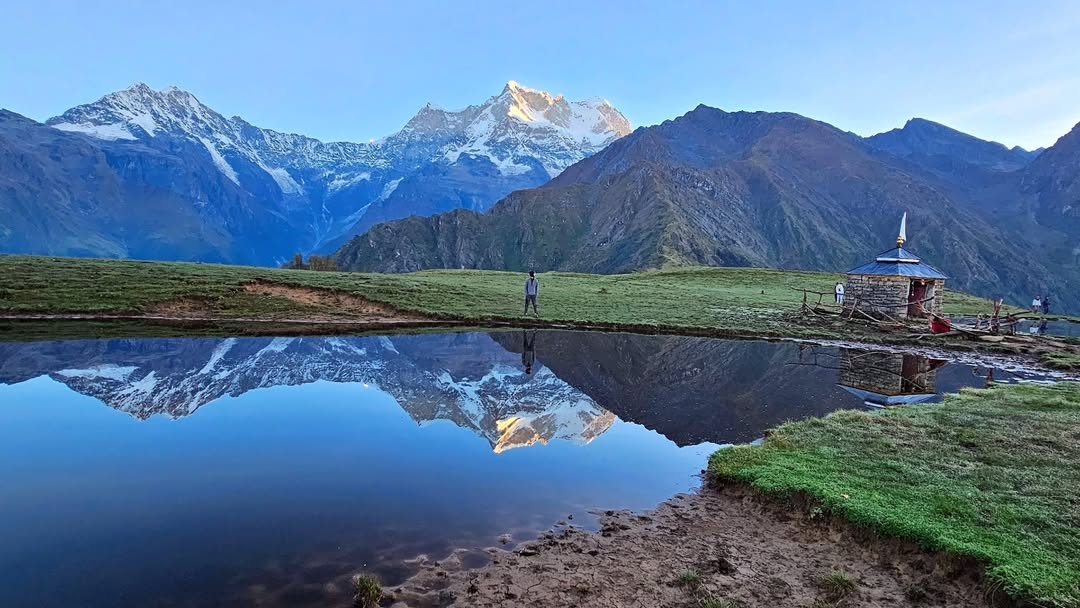
One of the most memorable highlights of the Madmaheshwar trek is witnessing the sunrise from Buda Madmaheshwar. Located along the Madmaheshwar trek route, this high-altitude meadow offers panoramic views of the majestic Chaukhamba peaks and surrounding Himalayan ranges. Pilgrims and trekkers often rise early to experience this breathtaking spectacle, making it a must-visit viewpoint during a Madhyamaheshwar pilgrimage.
The morning light transforms the snow-capped peaks into a golden spectacle, providing perfect opportunities for Madhyamaheshwar photos. The serene atmosphere, coupled with the crisp mountain air, creates a spiritual and meditative experience that complements the visit to the Panch Kedar Madhyamaheshwar Temple. Travelers who book a Madmaheshwar tour package often include this viewpoint in their itinerary to ensure they don’t miss this unforgettable moment.
Buda Madmaheshwar is not only about stunning landscapes; it also showcases the rich natural beauty of the region. Along the trail, pilgrims encounter alpine meadows, deodar and pine forests, and Himalayan streams. Observing Madhyamaheshwar wildlife and nature adds another layer of adventure to the trek. The viewpoint is especially striking during the post-monsoon months (September–November), when the greenery contrasts beautifully with the snow-clad peaks.
For those interested in photography or simply soaking in the grandeur of the Himalayas, Buda Madmaheshwar is the crown jewel of the trek. Staying overnight in nearby camps or homestays allows travelers to catch both sunrise and sunset views, making the experience even more magical. Even for beginners or families, reaching this viewpoint is achievable with proper pacing, as part of a guided Madmaheshwar yatra package.
Experiencing sunrise from Buda Madmaheshwar offers a perfect blend of nature, spirituality, and adventure. It reminds pilgrims of the majesty of the Himalayas while reinforcing the sacred significance of the Madhyamaheshwar Temple, making it a highlight of any Madmaheshwar tour package or Uttarakhand pilgrimage.

Madmaheshwar Tour Package Options: Madmaheshwar Tour Package from Delhi vs. DIY Budget
Planning a pilgrimage to Madhyamaheshwar Temple can be simplified by choosing the right tour package. A Madmaheshwar tour package from Delhi is ideal for travelers who prefer convenience, as it usually includes transportation, accommodation, meals, guides, and permits. These packages are designed to cover the complete Madmaheshwar trek route and often include stops at key viewpoints like Buda Madmaheshwar, making it easier to enjoy the Panch Kedar Madhyamaheshwar experience without worrying about logistics.
For those on a budget, a DIY approach can also work. Travelers can arrange their own transport from Delhi to Ransi Village, book homestays or guesthouses along the trek, and hire local guides for the Madhyamaheshwar trek. While this allows flexibility and can reduce costs, it requires careful planning to manage accommodation, meals, and trekking permits. Costs for a DIY trek typically include around ₹2,500–₹3,500 for transport, ₹800–₹1,500 per night for accommodation, and guide fees of ₹1,000–₹1,500 per day.
A Madmaheshwar yatra package often costs between ₹8,000–₹12,000 per person, depending on the duration, transport type, and included amenities. These packages also provide safety and guidance, especially for beginners or families, ensuring a smooth and hassle-free pilgrimage.
Choosing a tour package ensures travelers can focus on spiritual and scenic experiences, capture Madhyamaheshwar photos, and enjoy the cultural significance of the temple. Meanwhile, DIY travelers enjoy flexibility but must be prepared for planning and logistics along the Madmaheshwar trek route.
Whether opting for a Madmaheshwar tour package from Delhi or a self-planned DIY budget, understanding the differences in cost, convenience, and included services helps pilgrims make an informed choice. Proper planning guarantees a memorable and fulfilling visit to Madhyamaheshwar, one of Uttarakhand’s most revered Panch Kedar temples.
.

Trekking through the Kedarnath Wildlife Sanctuary: Nature and Madhyamaheshwar Wildlife
One of the most memorable aspects of my Madmaheshwar trek was walking through the pristine Kedarnath Wildlife Sanctuary, which surrounds the Panch Kedar Madhyamaheshwar Temple. As I ascended the Madmaheshwar trek route from Ransi Village, I was immediately captivated by the lush alpine forests, glistening streams, and vibrant meadows. The sanctuary is home to diverse flora and fauna, offering trekkers a rare opportunity to experience Uttarakhand’s natural beauty while on a spiritual journey.
During the trek, I spotted Himalayan birds, small mammals, and occasionally, the tracks of elusive wildlife. The blend of wildlife and nature enhances the trekking experience, making each step not just a physical challenge but also a meditative encounter with the environment. Observing Madhyamaheshwar wildlife up close reminded me of the delicate balance between the temple’s sacred presence and the surrounding natural ecosystem.
The trekking trail meanders through deodar and pine forests, offering shade and a peaceful ambiance. The distant roar of streams and the gentle rustling of trees created a serene soundtrack as I approached the Madhyamaheshwar Temple, reinforcing the feeling that this was a sacred space beyond just religious significance. Every pause to capture Madhyamaheshwar photos or simply breathe in the crisp mountain air felt like a spiritual offering in itself.
For those considering a Madmaheshwar tour package, guides often point out key wildlife and explain the importance of preserving this pristine environment. Experiencing nature in the Kedarnath Wildlife Sanctuary while approaching the temple made my pilgrimage feel complete—combining devotion, adventure, and mindfulness. Witnessing the navel of Shiva in the temple itself felt even more profound after hours of trekking through such untouched wilderness, highlighting the harmonious connection between spirituality and nature on the Madmaheshwar trek.
Final Tips for Your Panch Kedar Madhyamaheshwar Yatra
After completing the Madmaheshwar trek and witnessing the navel of Shiva, I realized that preparation and planning play a crucial role in making the pilgrimage smooth and fulfilling. For anyone attempting the Panch Kedar Madhyamaheshwar Yatra, understanding the trek’s difficulty, weather conditions, and logistics ensures both safety and spiritual satisfaction.
First, the Madmaheshwar trek route requires moderate physical fitness. While it is achievable for beginners, pacing yourself and taking adequate breaks is essential. Carrying essentials like warm clothing, trekking shoes, rain gear, water, and a basic first-aid kit makes the journey more comfortable. The altitude of Madhyamaheshwar Temple (3,490 meters) means temperatures can fluctuate drastically, so checking the Madhyamaheshwar weather and planning the best time to visit Madmaheshwar is important. May–June and September–November are ideal months, offering clear skies and safer trekking conditions.
Booking a Madmaheshwar tour package, especially a Madmaheshwar tour package from Delhi, can simplify the pilgrimage. Packages typically include transportation, accommodation near Madmaheshwar, meals, and guidance from experienced local guides. This allows pilgrims to focus entirely on the spiritual experience rather than logistics. A Madmaheshwar yatra package also ensures that you can attend temple rituals during proper Madmaheshwar darshan timings and explore scenic viewpoints like Buda Madmaheshwar.
During the trek, take time to enjoy Madhyamaheshwar wildlife and nature, capture Madhyamaheshwar photos, and absorb the serenity of the Himalayan meadows. Respect local customs and preserve the environment to maintain the sanctity of this sacred region.
Finally, approach the pilgrimage with patience and devotion. Witnessing the navel of Shiva at the Panch Kedar Madhyamaheshwar Temple is a profound spiritual experience that stays with you long after the trek ends. By combining careful planning, respect for nature, and an open heart, your Madmaheshwar pilgrimage can become a memorable journey of faith, adventure, and self-discovery.
For detailed information on Madhyamaheshwar, including history, pilgrimage tips, and travel guidance, check out the official Uttarakhand Tourism page
