

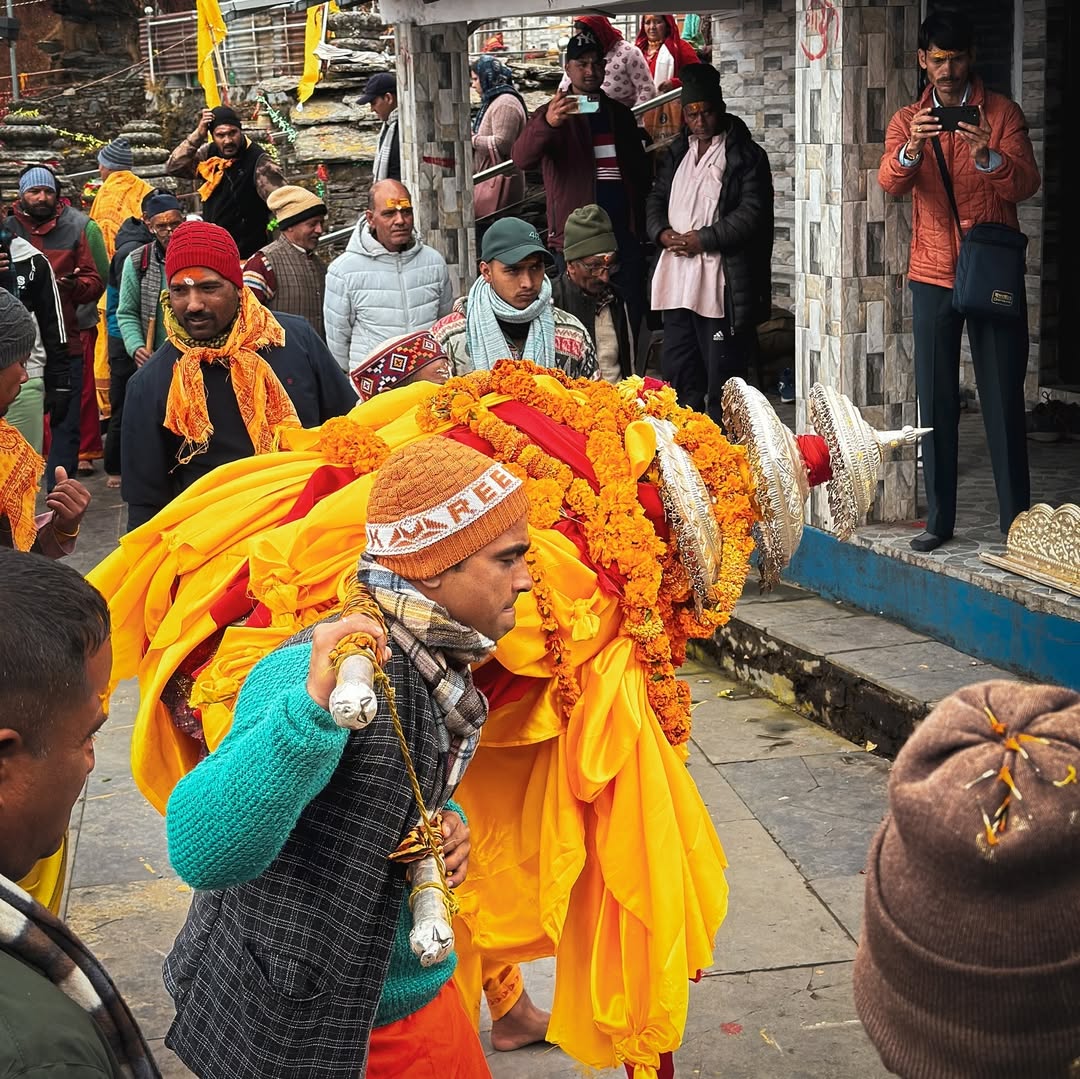
The Tungnath Doli Yatra 2026 is a revered Himalayan tradition that marks the spiritual farewell of Lord Shiva from Tungnath Temple, one of the world’s highest Shiva shrines. This annual ritual is performed before the onset of winter, when heavy snowfall makes the temple inaccessible. During the yatra, the idol of Lord Shiva is carefully carried in a decorated doli from Tungnath to its winter abode in Ukhimath, accompanied by priests, devotees, and the chanting of sacred hymns.
The journey begins in Chopta, a serene region known for its lush meadows and dense forests. Chopta serves as a base for the Tungnath trek and attracts pilgrims and trekkers alike due to its natural beauty and peaceful environment. Many travelers choose to explore this region through a Chopta tour package, which provides organized travel, accommodation, and guidance, allowing visitors to focus on both the spiritual and scenic aspects of the trip.
The Tungnath temple trek is relatively accessible, making it ideal for families and first-time pilgrims. In addition to its spiritual significance, the area is popular for trekking adventures such as the Chopta Chandrashila trek, leading up to the Chandrashila summit for panoramic views of the Himalayan peaks. This combination of devotion and adventure makes the journey memorable for all visitors.
Overall, attending the Doli Yatra offers a unique opportunity to experience the spiritual traditions of the Himalayas while enjoying the tranquility and natural beauty of Chopta. A Chopta tour package ensures a smooth and comfortable journey, allowing travelers to fully immerse themselves in the sacred atmosphere without worrying about logistics.
Significance of Tungnath Doli Yatra in Hindu Tradition
The Tungnath Doli Yatra holds immense religious and cultural significance in Hindu tradition. It marks the seasonal movement of Lord Shiva from the sacred Tungnath Temple to its winter seat in Ukhimath, ensuring that daily rituals and prayers continue even when the high-altitude temple closes due to extreme snowfall. For devotees, witnessing the Doli Yatra is considered highly auspicious, as it represents the living connection between faith, nature, and Himalayan traditions.
Located near Chopta, Tungnath Temple is an important part of the Panch Kedar pilgrimage. Every year, thousands of devotees reach Chopta to participate in this sacred event. Many travelers plan their visit through Chopta tour packages, which make the journey comfortable while allowing them to explore the spiritual essence of the region. The yatra route overlaps with the famous Chopta Tungnath trek, making it a unique experience where devotion and trekking come together.
The Tungnath temple trek is believed to cleanse the soul and strengthen one’s spiritual connection with Lord Shiva. During the Doli Yatra, villagers, priests, and pilgrims walk together, chanting prayers and performing rituals along the way. Several devotees traveling from distant regions opt for a Chopta tour package from Delhi, as it provides organized travel and accommodation near Chopta.
Along with its religious importance, the yatra also highlights the cultural heritage of Uttarakhand. Many pilgrims extend their journey by undertaking the Chopta Chandrashila trek or reaching the Chandrashila summit trek, believing that the spiritual energy of the region enhances the overall experience. This blend of faith and adventure makes the Tungnath Doli Yatra a truly meaningful Himalayan tradition.

Route and Journey of Tungnath Doli Yatra from Tungnath to Ukhimath
The route of the Tungnath Doli Yatra is a spiritually charged journey that begins at the sacred Tungnath Temple and concludes at Ukhimath, the winter seat of Lord Shiva. As winter approaches and snowfall increases in the higher Himalayas, the temple doors are ceremonially closed, and the idol is placed in a decorated doli. This procession marks the beginning of a journey filled with devotion, traditional rituals, and community participation.
The yatra route passes through the scenic landscapes of Chopta, making it an unforgettable experience for devotees and travelers. Chopta serves as the base point for the Chopta Tungnath trek and remains a major halt during the procession. Many pilgrims reach this region through organized Chopta tour packages, which provide a smooth travel experience along the mountainous terrain. Those traveling from metropolitan cities often prefer a Chopta tour package from Delhi to witness the yatra without logistical challenges.
Along the way, the doli halts at various villages where locals welcome it with prayers, flowers, and traditional music. These stops allow devotees to seek blessings and participate in the sacred rituals. The path followed during the Tungnath temple trek becomes especially vibrant during the yatra, as the entire route transforms into a moving spiritual celebration.
Many visitors combine the yatra with nearby treks such as the Chopta Chandrashila trek or even continue towards the Chandrashila summit trek once weather permits. With increasing popularity,Chopta tour packages now include spiritual events like the Doli Yatra, offering a meaningful blend of pilgrimage, trekking, and Himalayan culture.

Where the Tungnath Doli Stays During Winter Months
After the ceremonial departure from Tungnath Temple, the sacred idol of Lord Shiva is taken to Ukhimath, which serves as the winter abode of the deity. Due to extreme snowfall and sub-zero temperatures, daily worship at the high-altitude temple becomes impossible, making this seasonal transition essential. Ukhimath, located at a lower altitude, remains accessible throughout winter and holds great religious importance during this period.
Once the Doli reaches Ukhimath, it is respectfully placed inside the Omkareshwar Temple, where all rituals and prayers are continued by the temple priests. Devotees visit Ukhimath during winter months to offer prayers, especially on important festivals such as Mahashivratri. The atmosphere remains deeply spiritual, as the presence of Lord Shiva is believed to bless the entire region.
For pilgrims traveling through Chopta, this transition adds deeper meaning to their journey. Many visitors who come for the Tungnath temple trek choose to understand the full cycle of worship by learning about the winter rituals as well. The Doli’s stay in Ukhimath symbolizes the continuous connection between the deity and devotees, regardless of seasonal challenges.
The return of the Doli to Tungnath in spring marks another significant celebration, announcing the reopening of the temple. This annual movement reflects the harmony between nature and tradition in the Himalayas and highlights how faith adapts to the region’s geographical realities while preserving centuries-old customs.
When and How the Tungnath Doli Yatra Takes Place
- The Tungnath Doli Yatra usually takes place in late October or early November, depending on weather and snowfall conditions.
- The auspicious date of the yatra is decided by temple priests based on traditional rituals and astrological calculations.
- On the day of the yatra, special prayers and the final aarti are performed at Tungnath Temple.
- After the rituals, the idol of Lord Shiva is placed inside a beautifully decorated doli.
- The procession begins with priests, villagers, and devotees walking together in a calm and devotional atmosphere.
- Along the route, the doli halts at selected villages where locals welcome it with prayers, flowers, and traditional music.
- The journey concludes at Ukhimath, which serves as the winter abode of Lord Shiva.
This sacred procession marks the seasonal transition of worship from the high-altitude Tungnath Temple to Ukhimath, ensuring that religious rituals continue throughout the winter months. The Doli Yatra reflects the deep connection between nature, faith, and Himalayan traditions, demonstrating how spiritual practices adapt to seasonal challenges while preserving their cultural and religious essence.

Tips for Devotees Attending the Tungnath Doli Yatra
- Check weather conditions in advance, as temperatures can drop suddenly in the Chopta and Tungnath region during the yatra period.
- Wear warm clothing, comfortable trekking shoes, and carry rain protection to stay prepared for changing mountain weather.
- Start the journey early in the day to avoid delays caused by fog, cold, or limited daylight hours.
- Carry essential items such as water, light snacks, basic medicines, and personal identification.
- Respect local customs and follow instructions given by temple priests and volunteers during the procession.
- Avoid rushing or pushing during the yatra and maintain the peaceful and devotional atmosphere.
- Keep the route clean by avoiding plastic waste and respecting the natural surroundings.
- Older devotees or those with health concerns should walk at a comfortable pace and take rest when needed.
Attending the Tungnath Doli Yatra is not only a spiritual experience but also a physically engaging journey through the Himalayas. Proper preparation helps devotees focus on devotion rather than discomfort. By respecting traditions, caring for personal health, and preserving the environment, pilgrims can ensure a safe, meaningful, and spiritually enriching experience during this sacred yatra.

Role of Chopta in the Tungnath Doli Yatra
- Chopta serves as the primary base location for devotees visiting Tungnath Temple during the yatra period.
- The region provides accommodation, food facilities, and resting points for pilgrims and temple staff.
- Many rituals and preparations related to the yatra are coordinated from nearby settlements around Chopta.
- The trekking route passing through this area becomes an important part of the ceremonial journey.
- Local residents actively support the procession by offering food, guidance, and logistical help.
- The peaceful environment helps devotees mentally prepare for the spiritual journey ahead.
Beyond being a scenic Himalayan destination, Chopta plays a practical and spiritual role in the Tungnath Doli Yatra. Its location makes it an essential stop for pilgrims, while its calm surroundings allow devotees to slow down and connect with the sacred purpose of the journey. The cooperation between locals, priests, and travelers reflects the deep-rooted tradition of hospitality in the region. This harmony between people, faith, and nature strengthens the spiritual atmosphere of the yatra and adds meaning to the overall pilgrimage experience.

Cultural Importance of the Tungnath Doli Yatra for Local Communities
- The Doli Yatra is an annual event that brings together villagers from surrounding Himalayan settlements.
- Local families participate by welcoming the procession, offering prayers, and preparing traditional food.
- Folk music, devotional songs, and age-old rituals are an essential part of the journey.
- The yatra helps preserve traditional customs that have been passed down through generations.
- Elders guide younger members of the community in understanding the spiritual and cultural values of the event.
- The procession strengthens social bonds and collective responsibility within the villages.
For local communities, the Tungnath Doli Yatra is more than a religious procession; it is a living expression of cultural identity. The event reinforces respect for tradition, community cooperation, and devotion to Lord Shiva. By actively participating each year, villagers ensure that ancient practices remain relevant in modern times. The yatra also serves as a reminder of how spiritual traditions shape daily life in the Himalayas, creating a sense of belonging and continuity that goes beyond religious boundaries.
Spiritual Connection Between Tungnath and Chandrashila
The spiritual connection between Tungnath and Chandrashila is deeply rooted in Himalayan mythology and devotional belief. Tungnath Temple is dedicated to Lord Shiva and is considered one of the most sacred shrines in the region. Just above the temple lies Chandrashila, a summit that holds spiritual significance for devotees who believe it to be a place of meditation and divine energy. Together, these two sites form a continuous spiritual path rather than separate destinations.
Many pilgrims feel that their journey remains incomplete without understanding this connection. After offering prayers at Tungnath, devotees often walk upward toward Chandrashila as a symbolic step toward inner clarity and spiritual elevation. The ascent is not only physical but also mental, encouraging silence, reflection, and surrender. The panoramic Himalayan views from the summit further deepen this sense of peace and devotion.
During the time of the Doli Yatra, this spiritual bond becomes even more meaningful. As the idol moves to its winter abode, the region enters a quieter phase, inviting devotees to reflect on the cyclical nature of worship and life. The relationship between Tungnath and Chandrashila beautifully represents balance—between devotion and detachment, movement and stillness, and human effort and divine grace.
Best Time for Devotees to Witness the Tungnath Doli Yatra
The most suitable time to witness the Tungnath Doli Yatra is during the early winter transition, usually in late October or early November. This period marks the shift from autumn to winter in the higher Himalayan region, when temperatures begin to drop and snowfall becomes frequent. The timing of the yatra is carefully decided to ensure the safe movement of the idol before heavy snow blocks the route.
During these days, the atmosphere in the region becomes deeply spiritual and calm. Devotees gather in small numbers, creating an intimate and respectful environment rather than a crowded pilgrimage. The crisp mountain air, fading greenery, and approaching winter together add a sense of solemn beauty to the experience.
Travelers planning to attend the yatra should keep their schedules flexible, as weather conditions can influence the exact date. It is advisable to arrive a day earlier to avoid missing the main rituals. Witnessing the yatra at this time allows devotees to experience both the sacred tradition and the natural rhythm of the Himalayas, making it a meaningful and reflective journey.

Do’s and Don’ts for First-Time Visitors of the Doli Yatra
First-time visitors attending the Doli Yatra should approach the journey with patience, respect, and awareness of local traditions. Maintaining silence during rituals and following the guidance of temple priests helps preserve the sacred atmosphere. Wearing modest clothing and behaving respectfully around the procession reflects devotion and cultural sensitivity.
It is important to take care of personal health while walking along the route. Moving at a comfortable pace, staying hydrated, and taking breaks when needed can prevent fatigue. Visitors should avoid rushing or attempting to overtake the procession, as the yatra follows a calm and steady rhythm meant for reflection rather than haste.
Devotees are advised not to litter or disturb the natural surroundings, as the journey passes through ecologically sensitive areas. Avoid using loud music, drones, or disruptive behavior that could disturb the spiritual environment. By following these simple do’s and don’ts, first-time visitors can ensure a respectful and fulfilling experience while honoring the traditions that have been followed for generations.
The Spiritual Journey of the Tungnath Doli Yatra
The Tungnath Doli Yatra is more than just a pilgrimage; it is a journey that blends devotion, culture, and the serene beauty of the Himalayas. Witnessing the ceremonial movement of the idol from Tungnath to Ukhimath allows devotees to connect deeply with centuries-old traditions while experiencing the calm and purity of the mountainous region.
Each aspect of the yatra, from the temple rituals to the journey through Chopta and surrounding villages, reflects harmony between faith, community, and nature. Pilgrims gain not only spiritual fulfillment but also a greater appreciation of the Himalayan culture and the dedication of local communities in preserving these sacred practices.
Attending the Doli Yatra requires preparation, patience, and respect,
but it rewards visitors with a unique sense of peace and connection.
The journey leaves a lasting impression, offering a chance to reflect,
meditate, and witness the enduring traditions that continue to define
the spiritual landscape of the region. For anyone seeking a meaningful
Himalayan experience, the Tungnath Doli Yatra remains an unforgettable
and transformative journey.
The Tungnath Temple is one of the most sacred destinations in Uttarakhand and is known as the highest Shiva
temple in the world. Perched at a high altitude, it holds deep religious importance and is closely associated
with the Panch Kedar circuit. Travelers interested in the temple’s history, elevation, and spiritual background
can explore detailed information about the Tungnath Temple to better understand
its significance before planning their visit.
Frequently Asked Questions (FAQs) about Tungnath Doli Yatra & Chopta
Q1: What is the Tungnath Doli Yatra?
A: The Tungnath Doli Yatra is an annual ceremonial procession where the idol of Lord Shiva is carried from Tungnath Temple to its winter abode in Ukhimath before snowfall makes the temple inaccessible.
Q2: When does the Doli Yatra usually take place?
A: The yatra typically occurs in late October or early November, depending on weather conditions in the higher Himalayas.
Q3: Where is Chopta, and why is it important for the yatra?
A: Chopta is a scenic region that serves as the base for the Tungnath trek. It provides accommodation, resting points, and acts as a preparation hub for pilgrims attending the yatra.
Q4: What is a Chopta tour package, and how does it help travelers?
A: A Chopta tour package includes travel, accommodation, and guided support for pilgrims and trekkers. It makes the journey convenient and allows travelers to enjoy both spiritual and natural experiences.
Q5: Can I join the Chopta Tungnath trek from Delhi?
A: Yes, many travelers from Delhi prefer the Chopta Tungnath trek from Delhi as part of an organized tour package. This ensures safe travel, accommodation near Chopta, and guidance during the trek.
Q6: Can I do the Chopta Chandrashila trek from Delhi?
A: Absolutely! Many tour operators offer the Chopta Chandrashila trek from Delhi, which combines trekking with spiritual exploration. Pilgrims can witness panoramic Himalayan views and participate in the Doli Yatra experience.
Q7: How long is the Tungnath temple trek from Chopta?
A: The trek from Chopta to Tungnath usually takes 2–3 hours depending on the weather and pace of the trekkers. It’s moderately easy and suitable for families and first-time pilgrims.
Q8: What should I carry for the Doli Yatra and treks?
A: Devotees should carry warm clothing, trekking shoes, water, light snacks, and essential medications. Respecting local customs and maintaining the cleanliness of the route is also very important.
Q9: Is a guide necessary for first-time visitors?
A: Hiring a guide or joining a Chopta tour package is recommended for first-time visitors. Guides help with logistics, local knowledge, route navigation, weather updates, and understanding the spiritual and natural significance of the region, making the journey safer and more enjoyable.