

Chopta, nestled in the Garhwal Himalayas, is a paradise for trekkers and nature lovers. Sustainable tourism
ensures
that travelers can enjoy its lush meadows, dense forests, and snow-capped peaks while preserving the environment
and supporting local communities. Responsible trekking encourages minimizing waste, respecting wildlife, and
protecting fragile ecosystems. By practicing sustainable tourism, visitors can experience the beauty and
serenity
of Chopta while helping preserve it for future generations.
In addition to trekking, sustainable tourism promotes eco-friendly accommodations, local homestays, and
community-led
experiences, allowing travelers to connect with the culture and traditions of the region. Awareness about Leave
No
Trace principles, water conservation, and wildlife protection further enhances the trekking experience. By
making
mindful choices during their Chopta tour package, tourists contribute to maintaining the pristine landscapes,
vibrant meadows, and snow-covered peaks that make Chopta a unique destination for adventurers and nature
enthusiasts alike.
Leave No Trace Principles for a Responsible Chopta Trek
The Leave No Trace principles are essential for anyone planning a trek in Chopta. With its fragile alpine ecosystems, following these guidelines helps minimize human impact on the environment. The seven core principles include planning ahead and preparing, traveling and camping on durable surfaces, properly disposing of waste, leaving what you find, minimizing campfire impact, respecting wildlife, and being considerate of other visitors. Applying these practices ensures that Chopta’s natural beauty remains intact for future trekkers.
For trekkers on the popular Chopta Chandrashila Trek including those joining a Chopta Tungnath Trek from Delhi, this means staying on marked trails, avoiding picking flowers, and not disturbing animals. Carry reusable water bottles, pack out all trash, and avoid creating new paths or campsites. Even simple steps, like using biodegradable soaps and limiting noise, can make a significant difference. Leave No Trace is not just about protecting the environment—it also enhances the trekking experience by preserving the serenity and beauty of Chopta.
By practicing these principles, travelers contribute to sustainable tourism in Chopta, ensuring that future adventurers can enjoy the same pristine landscapes. Whether you are on a weekend getaway or a multi-day trek, following Leave No Trace guidelines demonstrates respect for nature and local communities while promoting responsible trekking practices.
.jpg)
Planning Your Eco-Friendly Chopta Tour Package
Planning an eco-friendly Chopta tour package is essential for responsible and enjoyable trekking. Whether you are opting for a Chopta tour package from Delhi or joining a guided trek, careful planning ensures minimal impact on the environment. Start by choosing tour operators that prioritize sustainability, offer eco-friendly accommodations, and follow local guidelines for waste management and trail preservation. Proper planning also helps maximize safety and comfort during your trek.
When preparing for the Chopta Chandrashila Trek or the Chopta Tungnath Trek, pack light and carry reusable gear, such as water bottles, utensils, and biodegradable toiletries. Consider the weather conditions; monsoon treks require waterproof gear, while winter treks need insulated clothing and proper trekking shoes. Planning your route in advance reduces the chances of straying off marked trails, which protects the fragile alpine flora and fauna.
Booking an eco-friendly tour package also means supporting local communities. Hiring local guides, staying in homestays, and purchasing local handicrafts not only enriches your travel experience but also contributes to the region’s economy. By choosing responsible travel options, every trekker can enjoy the natural beauty of Chopta, whether on a short Chopta tour package or a multi-day adventure to Chandrashila Summit and Tungnath Temple, without leaving a negative footprint on the environment.

Minimizing Waste: Pack Smart for Your Chopta Trek
Minimizing waste is one of the most important steps for sustainable trekking in Chopta. Whether you are on a Chopta Chandrashila Trek, a Chopta Tungnath Trek, or a weekend Chopta tour package from Delhi, packing smart reduces your environmental footprint and keeps the trails clean for other travelers. Start by using reusable water bottles, food containers, and utensils instead of single-use plastics.
Plan your meals carefully to avoid excess packaging and leftover food. Carry biodegradable trash bags to collect all waste during the trek and dispose of it responsibly at designated spots. Avoid bringing items that are difficult to carry back or that could litter the pristine landscapes. Even small choices, like using reusable trekking gear covers and eco-friendly toiletries, make a significant difference.
On popular routes like the Chopta Chandrashila Trek or the Chopta Tungnath Trek, following these practices protects delicate alpine meadows and forests. Respect local regulations about fires and waste disposal, and always carry your trash back to the base or campsite. By packing thoughtfully, trekkers not only reduce pollution but also set an example for fellow travelers, promoting sustainable tourism and preserving Chopta’s natural beauty for years to come.
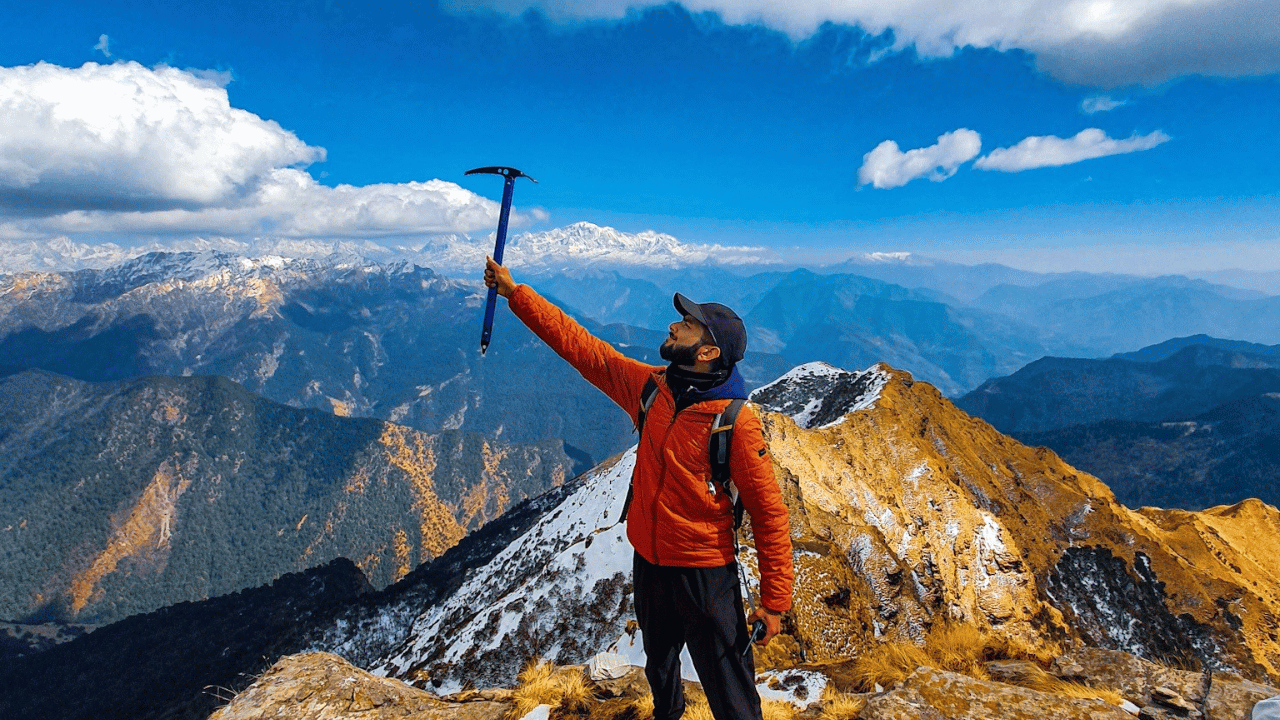
Responsible Trekking: Respecting Flora and Fauna in Chopta
Chopta is home to a rich variety of alpine flora and fauna, making responsible trekking essential for preserving its natural beauty. Whether you are on a Chopta Chandrashila Trek, a Chopta Tungnath Trek, or a Chopta tour package from Delhi, respecting the environment ensures that the ecosystem remains intact for future trekkers. Stick to marked trails to avoid trampling fragile plants and wildflowers, and refrain from picking or disturbing them.
Wildlife in Chopta, including Himalayan birds and small mammals, should be observed from a distance. Avoid loud noises, feeding animals, or attempting to touch them, as human interference can disrupt their natural behavior. On treks like the Chopta Chandrashila trek, hikers may spot Himalayan monals, musk deer, and other native species; appreciating them without disturbance is a key part of responsible trekking.
Carry out all trash, leftover food, and biodegradable items to prevent harming animals and polluting the landscape. Using eco-friendly trekking gear and minimizing chemical products like soaps or detergents helps protect local soil and water sources. By respecting Chopta’s flora and fauna, trekkers contribute to sustainable tourism while experiencing the area’s pristine beauty during adventures like the Chopta Tungnath Trek or Chandrashila Summit Trek.

Water Conservation Tips for Trekkers in Chopta
Water is a precious resource in the high-altitude region of Chopta, making conservation essential during treks. Whether you are on a Chopta Chandrashila Trek, a Chopta Tungnath Trek, or a Chopta tour package from Delhi, minimizing water usage helps protect local ecosystems and ensures clean water availability for everyone. Carry a reusable water bottle and refill it from safe water sources instead of using single-use plastic bottles.
Avoid contaminating streams and rivers by not washing clothes, dishes, or yourself directly in natural water sources. Use eco-friendly, biodegradable soaps if washing is necessary at designated campsites. Planning ahead by packing sufficient water for the trek reduces the need to draw from streams, protecting the habitat of aquatic life and local wildlife. Additionally, conserving water while cooking or cleaning at campsites helps reduce overall usage.
Staying mindful of water conservation during treks like the Chopta Chandrashila Trek and Chopta Tungnath Trek not only supports the environment but also promotes responsible tourism practices. By following these tips, trekkers can enjoy the pristine beauty of Chopta while ensuring that its streams, rivers, and meadows remain healthy and sustainable for future visitors.

Choosing Eco-Friendly Gear for Your Chopta Adventure
Selecting eco-friendly gear is a crucial part of sustainable trekking in Chopta. Whether you are planning a Chopta Chandrashila Trek, a Chopta Tungnath Trek, or a Chopta tour package from Delhi, using environmentally responsible equipment helps reduce your impact on the fragile Himalayan ecosystem. Opt for gear made from recycled or biodegradable materials whenever possible, and avoid single-use plastics and disposable items.
Lightweight, durable, and reusable gear, such as trekking poles, sleeping bags, and tents, ensures both comfort and sustainability. For clothing, choose moisture-wicking and weather-appropriate fabrics that are long-lasting and easy to maintain. Reusable water bottles, utensils, and containers also minimize waste along trekking routes. Even small choices, like carrying a cloth bag for personal items or using solar-powered lights, contribute to responsible travel practices.
Using eco-friendly gear on popular treks like the Chopta Chandrashila Trek and Chopta Tungnath Trek not only protects the environment but also sets an example for fellow trekkers. By prioritizing sustainability in your equipment choices, you ensure that the pristine landscapes, meadows, and wildlife of Chopta remain intact for future adventurers. Responsible gear selection is a key step toward promoting sustainable tourism while enjoying the beauty of the Himalayas.

Sustainable Camping Practices During Chopta Treks
Camping responsibly is a vital aspect of sustainable tourism in Chopta. Whether you are on a Chopta Chandrashila Trek, a or a Chopta tour package from Delhi , following eco-friendly camping practices ensures minimal impact on the environment. Choose established campsites instead of creating new ones, which helps protect fragile alpine meadows and reduces soil erosion.
Use portable stoves instead of open fires to minimize fire hazards and prevent damage to local vegetation. Always carry biodegradable soap, and dispose of wastewater at designated areas away from natural streams. Pack out all your trash, leftover food, and non-biodegradable items to keep the campsite clean. Using reusable utensils, water bottles, and eco-friendly tents further reduces your ecological footprint while camping.
By practicing sustainable camping on treks like the Chopta Chandrashila Trek and Chopta Tungnath Trek, trekkers contribute to preserving Chopta’s pristine landscapes and wildlife habitats. Following these simple guidelines not only protects the environment but also enhances your overall trekking experience, allowing you to fully enjoy the serenity, beauty, and tranquility of the Himalayan region. Responsible camping is an essential step toward promoting Leave No Trace principles in Chopta.

Supporting Local Communities While Visiting Chopta
Sustainable tourism in Chopta goes beyond environmental conservation—it also includes supporting local communities. Whether you are on a Chopta Chandrashila Trek, a Chopta Tungnath Trek, or a Chopta tour package from Delhi, choosing to engage with local businesses ensures that tourism benefits the people who live in the region. Hiring local guides, staying in family-run guesthouses, and buying handicrafts directly from artisans are effective ways to contribute to the local economy.
Participating in community-led experiences, such as traditional cooking classes or cultural tours, helps visitors gain a deeper understanding of Chopta’s heritage while promoting responsible travel. Supporting local services also reduces reliance on large external operators, encouraging sustainable practices in accommodation, food, and transport. By prioritizing local businesses, trekkers play a direct role in strengthening community livelihoods and preserving the culture of the region.
Whether trekking to the Chandrashila Summit or visiting Tungnath Temple, making conscious choices to support locals aligns with Leave No Trace principles and sustainable tourism goals. Travelers who respect and uplift the local community not only enhance their own experience but also ensure that Chopta continues to thrive as a responsible, eco-friendly trekking destination for future generations.
Spreading Awareness: Educating Fellow Trekkers on Leave No Trace
One of the most impactful ways to promote sustainable tourism in Chopta is by educating fellow trekkers about Leave No Trace principles. Whether you are on a Chopta Chandrashila Trek, a Chopta Tungnath Trek, or a Chopta tour package from Delhi, sharing knowledge about responsible trekking encourages others to protect the environment and respect local communities. Simple actions, like explaining trail etiquette, proper waste disposal, and wildlife awareness, can inspire positive change.
Leading by example is one of the most effective teaching methods. By following eco-friendly practices—such as packing out all trash, using reusable gear, and sticking to marked trails—you demonstrate responsible trekking behavior that others can emulate. Discussing the importance of sustainable accommodations and supporting local businesses also reinforces the broader concept of ethical tourism in Chopta.
Promoting awareness not only protects Chopta’s pristine landscapes, alpine meadows, and wildlife but also creates a community of informed, responsible travelers. Whether on short treks or multi-day adventures, sharing Leave No Trace tips ensures that the natural beauty, culture, and serenity of Chopta remain intact for generations to come. By becoming ambassadors of sustainable trekking, every visitor contributes to the long-term preservation of this Himalayan gem.
