

Chopta is one of the most peaceful trekking destinations in
Uttarakhand, known for its alpine meadows, forest trails, and
breathtaking Himalayan views. A well-planned Chopta
tour package
allows travelers to explore this scenic region without the stress of
logistics, making it ideal for both first-time trekkers and nature
lovers. Over the years, Chopta tour packages have become increasingly
popular among adventure seekers looking for a quieter alternative to
crowded hill stations. For travelers starting their journey from the
capital, choosing a Chopta tour package from Delhi offers convenience
and comfort, especially during the winter and trekking seasons. Chopta
serves as the base for some of the most rewarding Himalayan treks,
including the famous Chopta Tungnath trek, which leads to the highest
Shiva temple in the
.
Beyond Tungnath, the trail continues toward
Chandrashila, offering panoramic views that make the Chandrashila trek
a dream for mountain enthusiasts. Whether you are drawn by
spirituality, adventure, or snow-covered landscapes, Chopta has
something unique to offer. From the serene Tungnath temple trek to the
challenging yet rewarding Chandrashila summit trek, this region
promises an experience that stays with you long after the journey
ends. With the right planning and guidance, a trek through Chopta
becomes more than just a trip—it becomes a meaningful Himalayan
adventure.
Understanding Chopta Weather During Winter Months
Winter brings a dramatic transformation to Chopta, turning this peaceful Himalayan destination into a snow-covered retreat. From late November onwards, temperatures begin to drop steadily, and the region experiences cold but beautiful weather conditions. Chopta weather during winter is marked by clear skies, chilly mornings, and freezing nights, especially at higher altitudes. The surrounding forests and meadows slowly lose their autumn colors and prepare for the arrival of snow.
During December and January, daytime temperatures usually remain low, while nights can fall well below freezing. The cold intensifies due to Chopta’s elevation, making it important for travelers to understand weather patterns before planning a trip. While the days often feel calm and pleasant under sunlight, the evenings quickly become colder. This contrast makes layering essential for anyone visiting Chopta in winter.
Winter weather also plays a key role in trekking experiences around Chopta. Routes leading toward Tungnath and Chandrashila are influenced by temperature changes and snowfall levels. Clear winter days offer stunning visibility of Himalayan peaks, while overcast conditions can bring sudden drops in temperature. Monitoring Chopta weather updates helps travelers prepare for changing conditions and plan their activities safely.
Overall, winter weather in Chopta is cold but manageable with proper planning. Understanding these seasonal conditions allows travelers to enjoy the region’s beauty without discomfort. Whether you are visiting for trekking, sightseeing, or snow experiences, knowing what winter weather feels like in Chopta sets the foundation for a safe and memorable journey.
To get updated information regarding weather check this site on Chopta Live Weather
| Month | Average Day Temperature | Average Night Temperature | Weather Conditions | Suitability for Trekking |
|---|---|---|---|---|
| November | 8°C | 0°C | Cold mornings, clear skies, first snowfall possible at higher altitudes | Good for light trekking and sightseeing |
| December | 5°C | -2°C | Snowfall begins, meadows turn white, chilly winds | Ideal for winter trekking with proper gear |
| January | 4°C | -5°C | Peak snowfall, frozen streams, heavy snow-covered trails | Excellent for snow trekking and adventure activities |
| February | 6°C | -3°C | Snow still present, weather starts to become milder | Good for trekking and photography, fewer crowds |

When Does Snowfall Begin in Chopta?
Chopta is famous for its pristine snow-covered landscapes, attracting trekkers and nature lovers during the winter months. Snowfall in Chopta typically begins around late November, although higher altitudes may receive snow even earlier. By December, the region is often blanketed in a fresh layer of snow, creating breathtaking scenery for travelers on a Chopta tour package. The snow adds a magical charm to meadows, pine forests, and trekking trails leading to Tungnath and Chandrashila.
The snowfall gradually intensifies through January and February, offering the best opportunities for snow trekking and photography. This period is ideal for those planning a Chopta Tungnath trek or a Chopta Chandrashila trek, as the trails are covered in snow yet remain accessible for experienced trekkers. Visitors coming from Delhi often choose a Chopta tour package from Delhi, ensuring a comfortable journey even in snowy conditions.
While snowfall brings visual delight, it also affects temperature and trekking conditions. Early preparation and monitoring of the Chopta weather are crucial for safety. Layered clothing, warm accessories, and sturdy footwear help travelers enjoy the winter season without discomfort. By understanding when snowfall starts in Chopta, visitors can schedule their trip to experience the region at its most enchanting.
In conclusion, knowing the approximate start of snowfall allows trekkers to plan their Chopta tour packages
better, ensuring a memorable winter adventure amidst the snow-clad Himalayas.
Read More : You can read through this blog the possiblity of Snowfall
in Chopta

Best Time to Experience Winter Snow in Chopta
Planning your visit to Chopta around the snowfall season ensures a memorable and safe experience. Here’s a quick guide to the best time to experience winter snow in Chopta:
- Late November to early December: The first snow begins to appear, creating picturesque views without extremely harsh temperatures. Ideal for those looking for a gentle introduction to Chopta tour packages.
- Mid-December to January: Peak snowfall season. Trails like the Chopta Tungnath trek and Chopta Chandrashila trek are covered in fresh snow, offering classic winter trekking experiences.
- February: Snow remains, but the weather starts to become slightly milder. A good option for travelers joining a Chopta tour package from Delhi seeking adventure with more manageable temperatures.
- Consider the weather: Always check Chopta weather updates before planning your trek to ensure safe and enjoyable conditions.
- Special experience: Visiting during this period also allows you to witness frozen streams, snow-laden meadows, and the stunning Himalayan panorama, making your Chandrashila summit trek even more memorable.
Choosing the right time enhances your Chopta tour packages experience, whether you’re trekking to Tungnath, climbing Chandrashila, or simply enjoying the snowy landscape. Winter in Chopta offers a perfect combination of adventure, serenity, and scenic beauty.

How Cold Does Chopta Get in Peak Winter?
Chopta is located at an altitude of around 2,700 meters, which makes winter temperatures quite low. During peak winter, especially in December and January, temperatures can drop close to -5°C to -10°C at night. Daytime temperatures may hover around 0°C to 8°C, but the cold can feel sharper due to wind chill in the open meadows. Travelers planning a Chopta tour package should be well-prepared for these freezing conditions.
The cold is part of the charm, as snow begins to blanket the area and transform Chopta into a pristine white wonderland. For those trekking on the Chopta Tungnath trek, the low temperatures add to the adventure and serenity of the route. Similarly, climbers embarking on the Chandrashila summit trek will experience cold, crisp air while enjoying panoramic views of the snow-covered Himalayan peaks.
For travelers coming from Delhi or nearby cities, a Chopta tour package from Delhi ensures that accommodations and travel arrangements are comfortable, even in freezing temperatures. Layered clothing, insulated jackets, gloves, and waterproof footwear are highly recommended. Many tour packages also provide guidance on the best gear and preparations for safe trekking during peak winter.
Despite the cold, Chopta’s winter weather creates some of the most memorable trekking experiences. The quiet trails, frost-kissed trees, and untouched snow make every step on the Chopta Chandrashila trek or Tungnath temple trek feel magical. Understanding how cold Chopta gets during winter helps travelers plan their itinerary, clothing, and activities to fully enjoy this Himalayan paradise.
Road Conditions and Accessibility During Snowfall
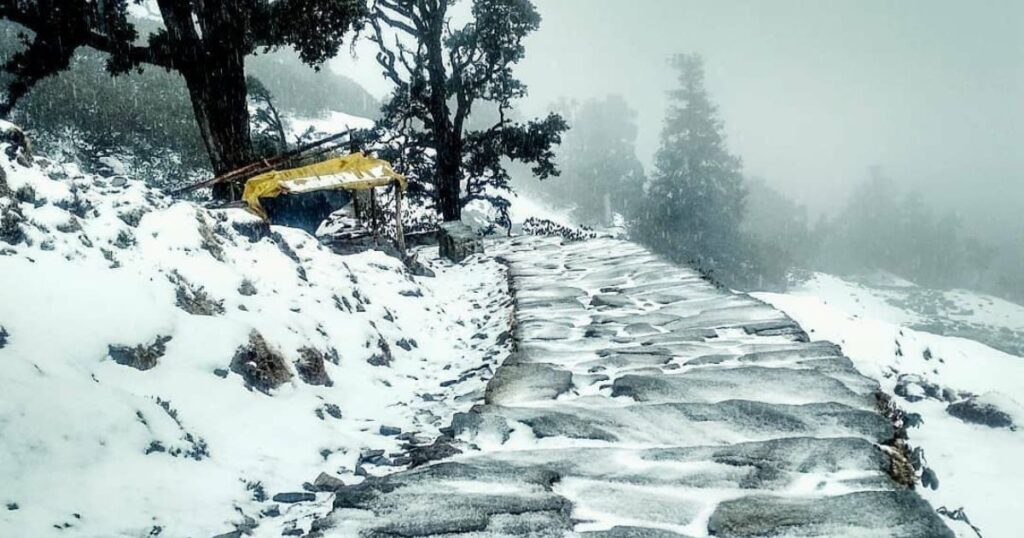
One of the key considerations while planning a winter trip to Chopta is the road and travel conditions. During peak snowfall months, roads leading to Chopta can become slippery and require careful driving. Travelers opting for a Chopta tour package from Delhi benefit from organized transport, experienced drivers, and guidance on the safest routes. Proper planning ensures that even during heavy snow, your journey remains comfortable and hassle-free.
The road from Rishikesh or Dehradun to Chopta is usually well-maintained, but snow accumulation can make certain stretches challenging. It is common for vehicles to move slowly through snow-covered paths, so allocating extra travel time is recommended. A Chopta tour package typically includes well-equipped vehicles that can handle winter road conditions, ensuring the journey to the base of treks like Chopta Tungnath trek is smooth.
Accessibility to trekking starting points is also affected by snowfall. While most trails remain open, the initial segments leading to Tungnath and Chandrashila can be icy. Tour guides included in Chopta tour packages advise trekkers on the safest routes, timing, and precautions. For visitors joining a Chopta Chandrashila trek from Delhi, having a guided package ensures you can enjoy the winter landscape without worrying about navigation or unexpected closures.
Overall, while snowfall enhances the beauty of Chopta, it also requires attention to safety and accessibility. With proper planning, understanding the road conditions, and traveling through reliable Chopta tour packages, visitors can explore both the Tungnath temple trek and Chandrashila summit trek comfortably, making winter travel both safe and unforgettable.
What to Expect During Chopta’s Snow Season
Visiting Chopta during the snow season is a magical experience. The meadows and forest trails are covered with fresh snow, creating a serene and picturesque environment. Trekkers often find the area quieter compared to other hill stations, making it perfect for peaceful walks and photography. Snowfall in Chopta usually starts from late November and peaks in January, offering breathtaking views of the Himalayan peaks.
During this period, trekking routes like the a Chopta Tungnath trek and Chopta Chandrashila trek are more challenging due to icy trails, but they are also more rewarding. The snow adds an extra layer of beauty to the paths, streams, and temples, enhancing the overall experience. Travelers joining a Chopta tour package or a Chopta tour package from Delhi often appreciate having a guide to navigate these conditions safely.
The weather can be unpredictable, so it is important to check Chopta weather updates before and during your trip. Early mornings can be extremely cold, while afternoons may feel milder under the sun. Adventurers doing the Tungnath temple trek or the Chandrashila summit trek should plan their timings carefully to enjoy the best views while ensuring safety. Proper winter gear, warm clothing, and sturdy shoes are essential for a comfortable trek.
Overall, the snow season in Chopta offers a unique combination of adventure, tranquility, and natural beauty.
Whether you are trekking to Tungnath, climbing Chandrashila, or simply enjoying the snow-covered meadows, the
experience is unforgettable. Planning with a reliable Chopta tour package ensures that you can enjoy this winter
wonderland fully while staying safe and comfortable.
Packing Essentials for Chopta Winter Travel
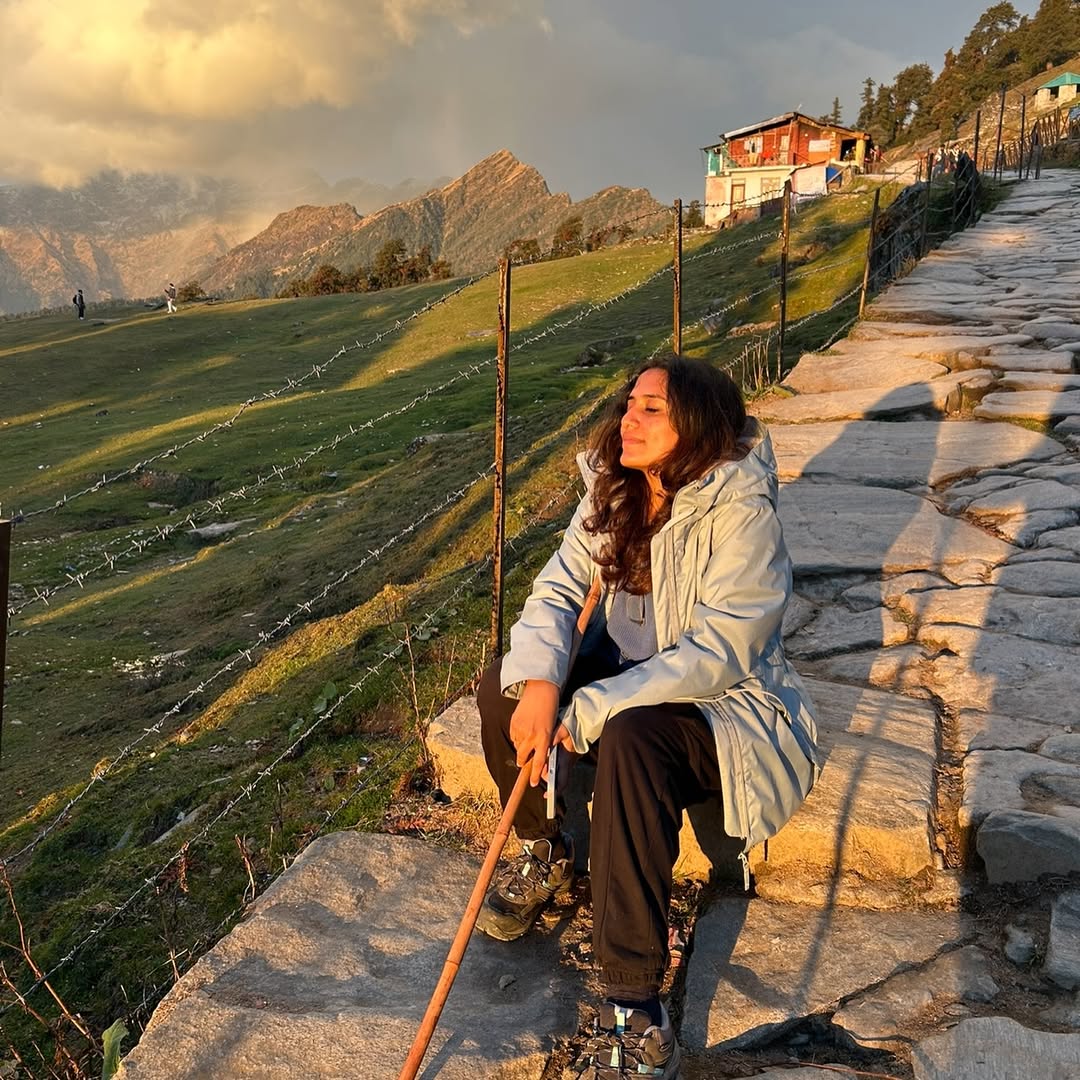
Proper packing is essential for a safe and enjoyable winter trip to Chopta. Here’s a list of essentials to carry during your visit:
- Warm jackets and insulated clothing to handle the cold temperatures during the Chopta Tungnath trek and Chopta Chandrashila trek.
- Thermals, gloves, woollen socks, and hats to protect against frost and chilly winds.
- Waterproof trekking shoes or boots for snowy and slippery paths, especially if you are trekking to Tungnath temple or climbing Chandrashila summit.
- Backpack with enough space for snacks, water bottles, and personal items while on a Chopta tour package or a Chopta tour package from Delhi.
- Moisturizers, lip balm, and sunscreen to protect your skin from dry mountain air and UV rays reflecting off snow.
- Basic first-aid kit including medications for headaches, cold, or altitude sickness.
- Camera or smartphone to capture the snow-covered landscapes and scenic views along the Chopta Tungnath trek and Chandrashila summit trek.
- Optional trekking poles for extra support on icy or steep paths during winter treks.
Carrying the right gear ensures a comfortable and safe experience throughout the winter season. Whether you are on a Chopta tour package, a Chopta tour package from Delhi, or trekking independently, being well-prepared allows you to enjoy the beauty of Chopta’s snow season without any stress.

Is Winter the Right Time to Visit Chopta?
Winter in Chopta is undoubtedly one of the most magical times to experience the Himalayas. Snow blankets the meadows and trails, creating a serene landscape that attracts trekkers, nature lovers, and photographers alike. If you are considering a Chopta tour package, this season offers a unique blend of adventure and tranquility that cannot be experienced during other times of the year.
Trekkers who join a Chopta Tungnath trek or a Chopta Chandrashila trek during winter witness the area in its purest form. The snow-covered trails, frozen streams, and crisp mountain air add to the excitement and challenge of the journey. For travelers coming from Delhi, opting for a Chopta tour package from Delhi makes the winter travel experience comfortable, with organized transport, warm accommodations, and guided trekking support.
While winter weather in Chopta is cold, it is manageable with proper preparation. Wearing layered clothing, carrying insulated jackets, and using sturdy footwear ensures safety and comfort. Even the Tungnath temple trek and Chandrashila summit trek become enjoyable with the right gear and guidance. Many travelers find that the quieter trails during winter allow for a more personal and immersive Himalayan experience compared to the busier summer months.
Overall, visiting Chopta in winter is ideal for adventure seekers and those looking for peace amidst the
snow-capped mountains. From the excitement of trekking to Tungnath and Chandrashila to enjoying the snow-covered
meadows, the winter season adds a special charm to every moment. Choosing a reliable Chopta tour package ensures
that you can make the most of this winter wonderland, creating memories that will last a lifetime.
If you like snow activites and wanted to have fun you must add Auli with Chopta and opt for Auli Chopta Tour Package
