

Madhyamaheshwar is one of the most scenic temples in the Panch Kedar circuit, and during winter, the region transforms into a breathtaking white paradise. Snowfall in Madhyamaheshwar adds a magical charm to the already serene landscape, making it a dream destination for snow lovers, trekkers, and spiritual travellers. The forests, meadows, and high-altitude ridges around the trek route get covered in layers of soft snow, creating postcard-perfect scenery that attracts adventure seekers from across India.
However, snowfall at Madhyamaheshwar also brings several challenges. The trails become slippery, the temperature drops to freezing levels, and the region becomes more isolated. That’s why it’s important to understand the winter conditions, kapat closing schedule, and accessibility before planning a snow-specific trip.
The temple itself receives heavy snowfall after the kapat closes for winter, and all rituals are shifted to Ukhimath. While the main shrine becomes inaccessible, the trekking route remains partially open until early winter snowfall blocks the higher sections. This makes December and early January a popular time for travellers who want to witness snow on the trail without facing extreme winter closures.
For photography lovers, snowfall season offers incredible frames of snow-draped mountains, frozen water streams, and sunrise over Chaukhamba peaks. And for trekkers, the experience of walking through quiet, snow-covered forests is unforgettable.
This guide explains everything you need to know about snowfall at Madhyamaheshwar, including the best months to see snow, trek difficulty, weather conditions, safety tips, and even a short add-on adventure to Budha Madhyamaheshwar for deeper snow views.
When Does Snowfall Happen in Madhyamaheshwar?
Snowfall in Madhyamaheshwar generally begins by late November and continues until early March, depending on the intensity of winter. The region lies at a high altitude, and because the Madhyamaheshwar trek passes through dense forests and steep ridges, the snowfall pattern here is slightly unpredictable. However, based on Madhyamaheshwar weather behaviour over recent years, December and January remain the core months for consistent snowfall. During this period, temperatures can drop below freezing, and the upper sections of the Madhmaheshwar route slowly get covered with a thick layer of snow.
Once the kapat of the Madhmaheshwar temple closes after Diwali, the area gradually becomes inaccessible. This means travellers visiting solely for snow should aim for early winter when the trail is still navigable and the landscape starts turning white. Those following a structured Madhmaheshwar trek itinerary should keep buffer days because snowfall can cause delays or sudden route closures.
The best time to visit Madhmaheshwar for snow lovers is December, as the trek remains open till the early part of the month and offers stunning snowy patches. Heavy snowfall usually starts after mid-December, and by January, most parts of the trail become challenging, increasing the overall Madhyamaheshwar trek cost due to extra gear, guides, and accommodation adjustments.
For travellers planning Madhmaheshwar from Delhi, winter travel requires checking recent weather updates and understanding how to reach Madhmaheshwar safely during snow season, as roads may face temporary closures. Adventure seekers often combine their trip with the Budha Madhyamaheshwar trek because higher altitude areas receive snow earlier and in greater quantity.
This section is part of a complete Madhyamaheshwar travel guide aimed at helping you understand winter conditions and plan the perfect snowy adventure.
Best Time to Visit Madhyamaheshwar for Snow
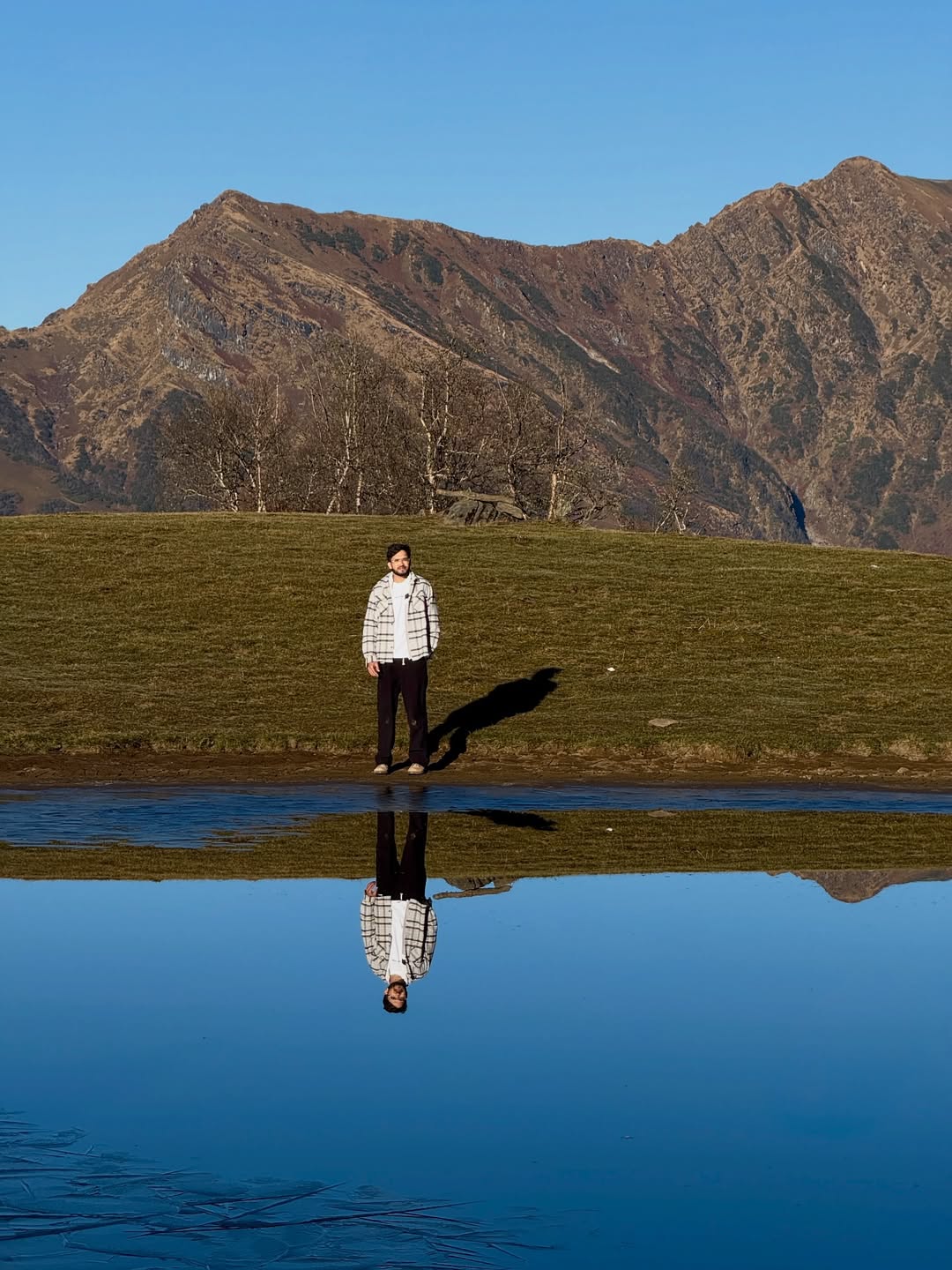
The best time to visit Madhyamaheshwar for snow is from late November to the first week of December, when the trail is still accessible and the region begins receiving fresh snowfall. During this period, the Madhyamaheshwar temple is usually open until the kapat closes after Diwali, allowing trekkers to experience both darshan and snow-covered landscapes. This makes early winter the safest and most rewarding choice for experiencing snow without facing extreme weather barriers.
From mid-December to February, the Madhyamaheshwar trek becomes significantly more challenging. The higher altitudes along the route get fully covered in snow, and access becomes limited as temperatures drop well below freezing. Although the scenery during this time is spectacular, heavy snowfall often blocks trails, increases difficulty, and raises the overall Madhyamaheshwar trek cost because trekkers require additional guides, winter gear, and extended stay options.
If you’re following a structured Madhyamaheshwar trek itinerary, consider planning your journey during late November when the weather begins transitioning into winter. This offers a perfect balance between safety, accessibility, and stunning snow visuals. Trekkers seeking adventure often combine their trip with a customized Madhyamaheshwar package that includes guides, meals, homestays, and snow gear support.
For travellers starting from Delhi, early winter is most convenient because road connectivity to Ukhimath and further toward Ransi village remains stable. This makes it easier to plan the journey safely before heavy snowfall begins.
Whether you’re a snow lover or simply exploring scenic Himalayan winters, visiting Madhyamaheshwar during this timing ensures a comfortable, safe, and memorable experience, especially when following a complete Madhyamaheshwar travel guide.

How Snow Affects the Madhyamaheshwar Trek
Snowfall adds beauty, adventure, and challenges to the Madhyamaheshwar trek. As winter arrives, the entire Madhyamaheshwar route transforms into a white carpet, offering surreal Himalayan views—but it also makes the trail slippery, slow, and physically demanding. Trekkers following a Madhyamaheshwar trek itinerary must adjust their pacing, carry the right gear, and allow extra time to navigate snow-covered paths safely.
During heavy snowfall, the stone steps and forest sections near Ransi, Gaundhar, and Bantoli become difficult to cross. This directly affects the Madhyamaheshwar trek cost, as travellers may need microspikes, gaiters, trekking poles, and experienced guides. The Madhyamaheshwar weather during peak winter can drop below –5°C, especially near the temple region, making it essential to stay prepared with layers and waterproof jackets.
Snow also affects accessibility. Those planning their journey to Madhyamaheshwar from Delhi must check weather updates before starting, as roads near Ukhimath may experience temporary closures. This is why many trekkers rely on a well-planned Madhyamaheshwar package or follow the complete Madhyamaheshwar travel guide to avoid last-minute surprises.
While the snow-covered trail adds a magical charm, it also slows down movement and limits visibility in certain patches. Trekkers need to be careful around icy slopes, frozen streams, and shaded forest areas. For adventure lovers, the Budha Madhyamaheshwar trek becomes even more thrilling during snowfall, offering panoramic winter landscapes but demanding higher stamina and caution.
Despite the challenges, snow adds an unforgettable dimension to the experience. With the right preparation, the Madhyamaheshwar temple trek becomes a breathtaking winter journey filled with serenity, beauty, and spiritual bliss.
Preparing for Cold Weather and Snowfall
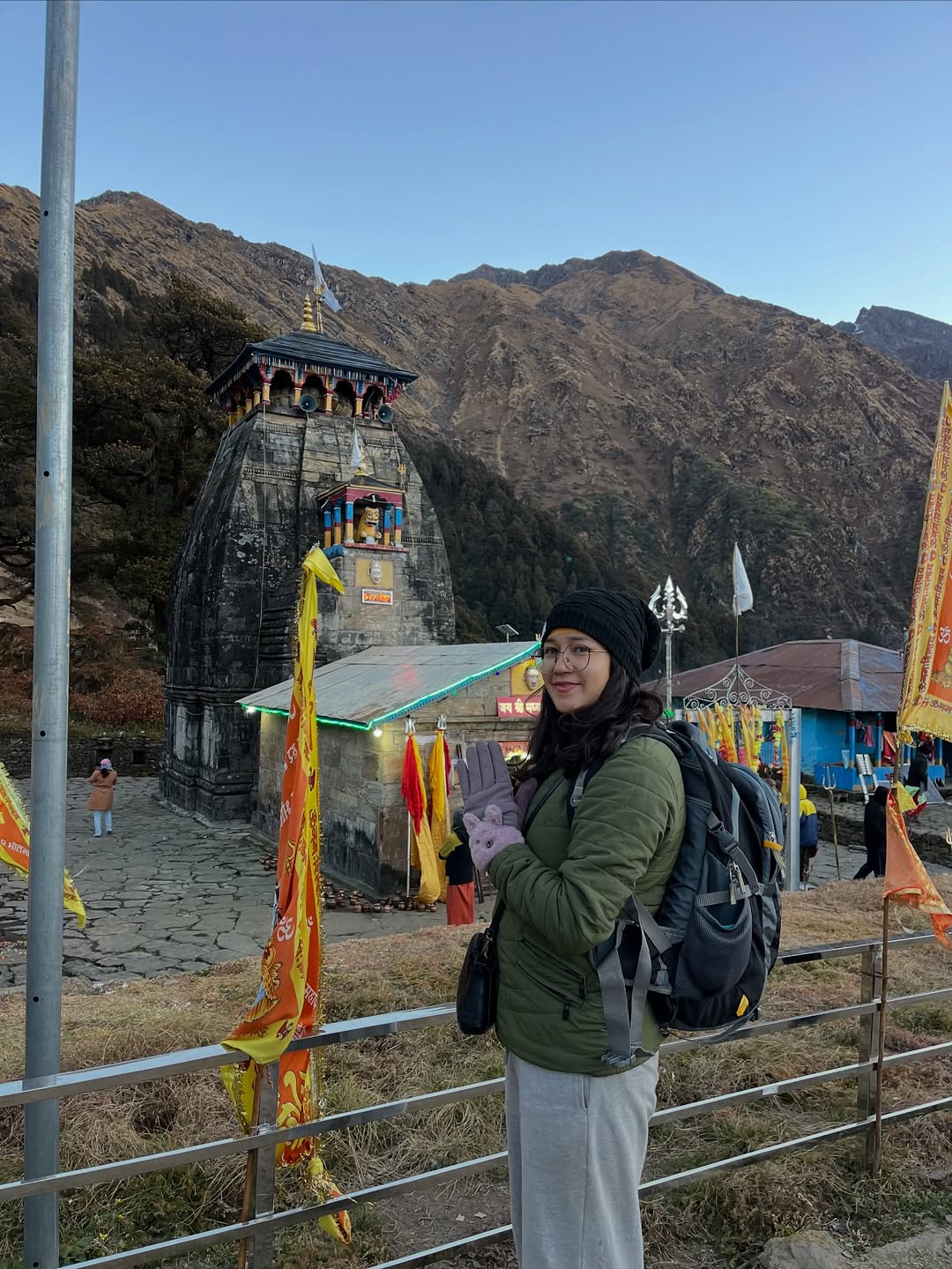
Winter trekking to Madhyamaheshwar requires proper preparation, especially when the temperatures dip drastically and the trail gets covered in snow. As Madhyamaheshwar weather becomes harsher during snowfall season, trekkers must pack wisely to ensure warmth, comfort, and safety throughout the journey. Essential items include thermal layers, waterproof jackets, insulated gloves, neck warmers, and good-quality snow trekking shoes. These basics significantly improve your experience on the Madhyamaheshwar trek by keeping you protected from freezing winds and icy terrain.
Proper gear is important not only for comfort but also for safety. Snow makes the Madhyamaheshwar route slippery, so carrying trekking poles, microspikes, and gaiters helps maintain balance and reduces the risk of slipping. Those following a detailed Madhyamaheshwar trek itinerary should allocate extra time for slow movement in snow-covered sections, especially from Bantoli to Khatara, as these areas tend to accumulate more snow. Because winter increases uncertainty, some trekkers prefer choosing a Madhyamaheshwar package that includes guides, winter gear, meals, and accommodation for added convenience.
If you are planning the trip to Madhyamaheshwar from Delhi, it is important to monitor weather forecasts and road conditions before departure. Heavy snowfall may temporarily affect travel routes, so planning your timing carefully ensures a smoother journey. Keeping a flexible schedule also helps, especially when deciding the best time to visit Madhyamaheshwar for snow.
A well-prepared trekker always carries essentials such as power banks, waterproof covers, medical kits, energy snacks, and hydration salts. Snow trekking demands more stamina, so maintaining proper food and water intake is crucial. Whether you are heading to the Madhyamaheshwar temple or extending your journey toward the Budha Madhyamaheshwar trek, the right preparation ensures a memorable and safe winter adventure.
Snow-Covered Trails: Madhyamaheshwar Trek Route Tips
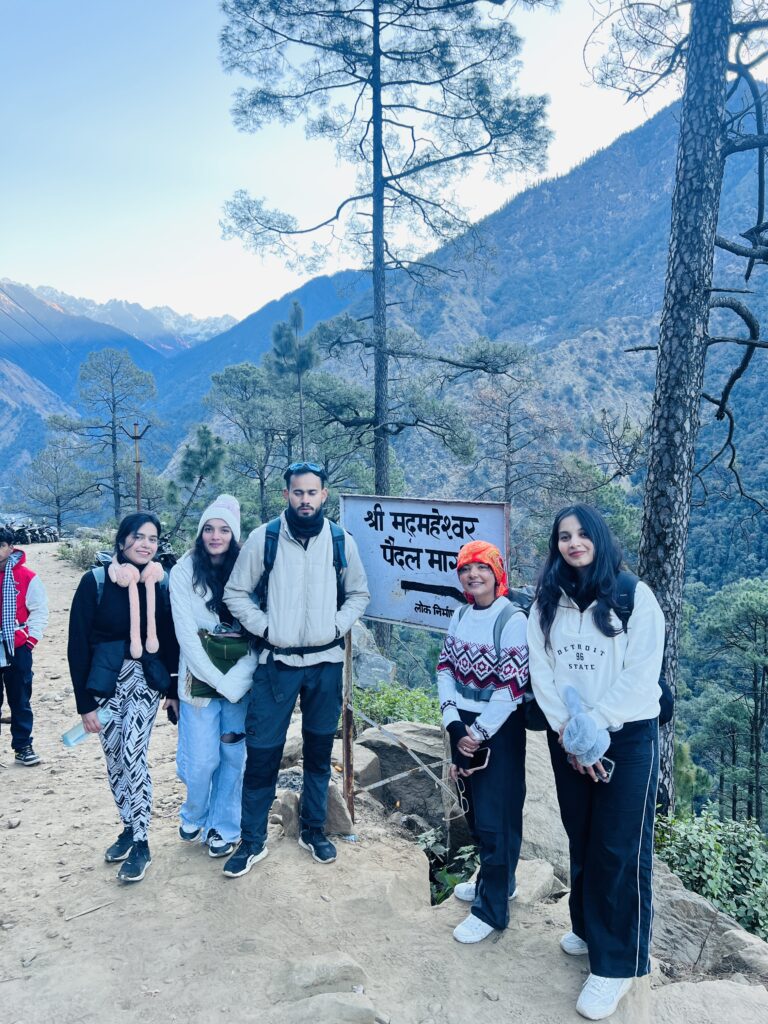
Trekking on snow-covered trails requires extra caution, especially on the Madhyamaheshwar route, where steep ascents and narrow sections become more challenging during winter. The stretch from Ransi to Gaundar usually remains manageable, but beyond Bantoli, the trail can get slippery as snow thickens. Following a well-planned Madhyamaheshwar trek itinerary helps you pace the journey safely, especially when daylight hours are shorter and temperatures drop quickly.
During snowfall season, the Madhyamaheshwar trek demands additional attention to footing and navigation. Fresh snow may hide rocks, loose soil, and uneven surfaces, so using trekking poles and wearing microspikes improves grip and prevents accidents. Many trekkers also follow local guide recommendations found in updated Madhyamaheshwar travel guides, as the terrain can change after each snowfall. If you are carrying backpacks, ensure they are waterproof or covered with rain covers to protect essentials from snow moisture.
It’s also important to understand how snow impacts the Madhyamaheshwar weather. Morning snow remains harder and easier to walk on, while afternoon sunlight makes it softer, increasing the chances of slipping. Keeping this in mind, trekkers often start their journey early in the day. If you are looking for convenience, choosing a Madhyamaheshwar package with experienced guides ensures safer navigation through tricky patches.
Those planning the trip from cities like Delhi—especially Madhyamaheshwar from Delhi travellers—should be aware that snow conditions may delay road access to Ransi. Therefore, checking updates on how to reach Madhyamaheshwar is crucial before the journey. Snow-covered trails may also increase the overall Madhyamaheshwar trek cost, as winter gear rentals and guide charges are slightly higher during the snowy season.
Even though the trail becomes tougher, the beauty of the snow-laden forest, frozen streams, and white meadows makes the trek one of the most magical experiences in Uttarakhand. And for those seeking even more adventure, the Budha Madhyamaheshwar trek offers higher-altitude snow trails with breathtaking views—but only for experienced trekkers.

Accommodation and Facilities During Snow Season
Accommodation during the snow season on the Madhyamaheshwar trek becomes limited but remains manageable for those who plan early. Most homestays in villages like Ransi, Gaundar, and Bantoli operate even in winter, offering basic but warm lodging options. However, as you climb higher toward the Madhyamaheshwar temple, many lodges close due to heavy snowfall and freezing Madhyamaheshwar weather conditions. Trekkers typically depend on the few family-run guesthouses that remain open, providing essential meals and heated rooms using traditional wood-fired stoves.
During snowy months, the availability of facilities changes significantly along the Madhyamaheshwar route. Water sources may freeze, so hot water supply becomes limited and must be requested in advance. Meals are usually simple—like dal, rice, vegetables, and tea—but filling enough to maintain energy levels. Your Madhyamaheshwar trek itinerary should include extra buffer time because weather delays are common, especially when fresh snowfall blocks the upper trail. Many trekkers prefer booking a Madhyamaheshwar package during this time, as tour operators ensure guaranteed accommodation, meals, and local support even in unpredictable conditions.
For travelers planning Madhyamaheshwar from Delhi, the journey requires checking real-time updates on how to reach Madhyamaheshwar because roads to Ukhimath may temporarily close during heavy snowfall. This affects travel time and may increase the overall Madhyamaheshwar trek cost due to additional nights spent in lower-altitude villages.
Accommodation near the Madhyamaheshwar temple becomes minimal in peak snow season, and most trekkers descend to safer altitudes before nightfall. If you're considering the Budha Madhyamaheshwar trek, be aware that there are no proper lodges on the upper ridge during winter, and camping is recommended only with an experienced guide.
While facilities are basic, the warmth of the locals, the peaceful environment, and the charm of snow-covered village houses make winter stays unforgettable. The serenity adds a magical appeal to the experience, especially for travelers who wish to immerse themselves in a true Himalayan winter.
Safety Tips for Trekking in Snow
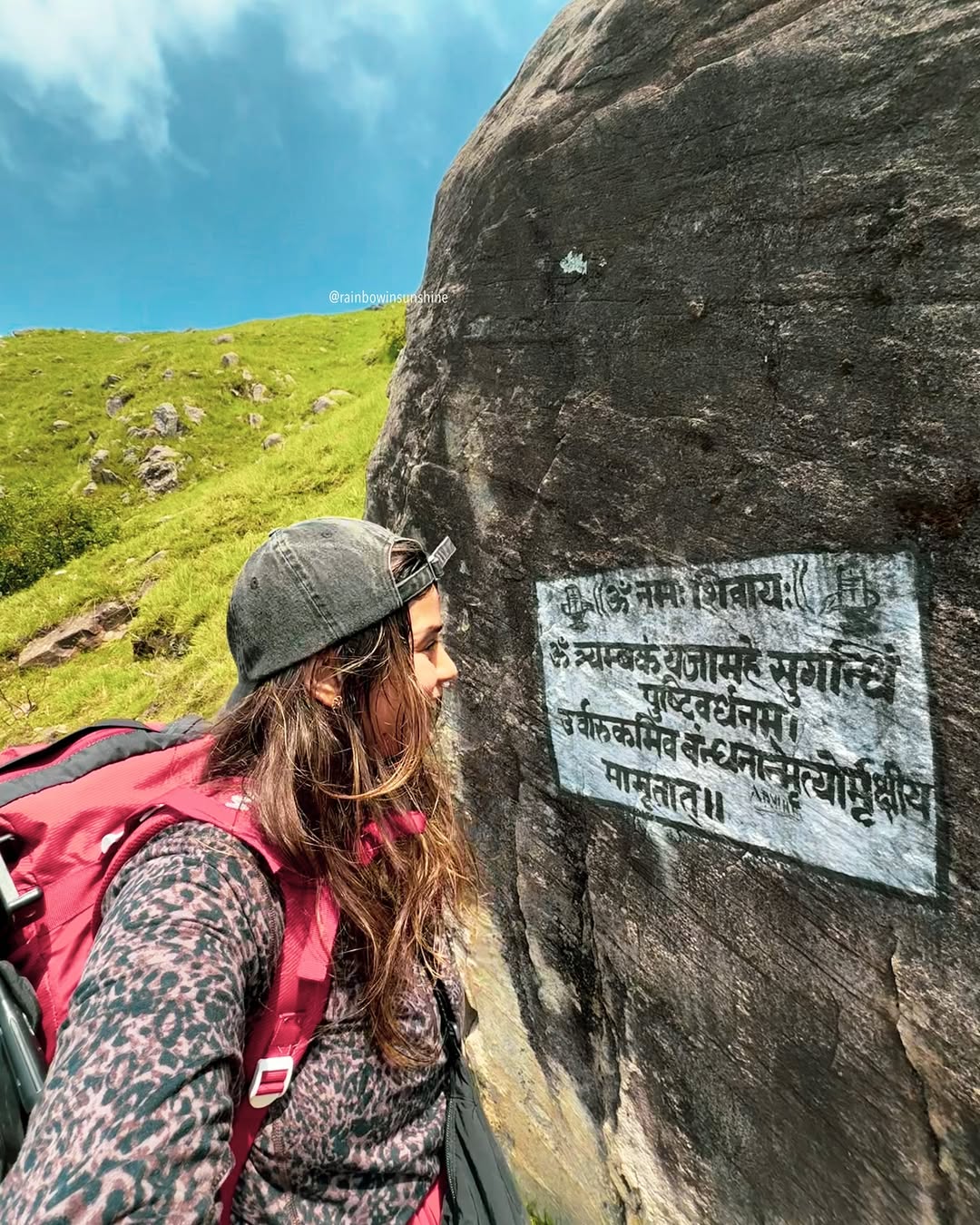
Trekking through snow on the Madhyamaheshwar route requires extra caution, proper planning, and awareness of winter conditions. Snow-covered trails can become slippery, steep, and unpredictable, especially near Bantoli and the final ascent toward the Madhyamaheshwar temple. Before starting the trek, it’s essential to stay updated on Madhyamaheshwar weather forecasts, as sudden snowfall can affect visibility and trail safety. Beginners and even experienced trekkers should follow a well-planned Madhyamaheshwar trek itinerary to avoid getting stuck in remote areas during extreme cold.
Carrying the right winter gear is the first safety priority. Proper snow trekking shoes, gaiters, waterproof gloves, and multiple insulation layers are mandatory. A reliable guide or a Madhyamaheshwar package becomes highly useful during snow season, especially for trekkers not familiar with high-altitude winter terrain. Local guides know how to reach Madhyamaheshwar safely in challenging conditions and can help identify safe paths, avoid risky shortcuts, and manage time efficiently.
Since snow can conceal rocks, roots, and uneven ground, walking slowly and using trekking poles is crucial. Hydration is equally important, even if you don’t feel thirsty in the cold. Frozen water sources mean you should always carry extra warm water with you. For travelers starting Madhyamaheshwar from Delhi, planning early and checking road updates is important because snowfall may temporarily block routes leading to Ukhimath, which affects travel time.
If you're considering the Budha Madhyamaheshwar trek during winter, remember that this extension route is significantly steeper and fully exposed to snow, making it more suitable for experienced trekkers. Always inform someone of your travel plan, especially if attempting higher sections.
- Start your trek early to avoid walking after sunset.
- Carry a power bank and keep your phone warm to prevent battery drain.
- Avoid trekking alone during snow season.
- Follow your Madhyamaheshwar travel guide or locals for the safest path.
By staying aware, well-equipped, and prepared for sudden weather changes, your snow trek to Madhyamaheshwar becomes not only safe but truly memorable.

Photography and Scenic Spots in Snowy Madhyamaheshwar
Snowfall transforms the Madhyamaheshwar trek into a breathtaking white landscape, making it a paradise for photographers and nature lovers. The entire Madhyamaheshwar route—from Ransi to Gaundar and further toward Bantoli—becomes covered in fresh snow, giving every corner a magical glow. If you’re following a planned Madhyamaheshwar trek itinerary during winter, you’ll find several picture-perfect locations where the snow, sunrise, and Himalayan peaks combine to create unforgettable frames.
One of the best photography spots is the area around the Madhyamaheshwar temple itself. The ancient stone architecture surrounded by snow creates a divine ambience that beautifully captures the spiritual essence of the region. Early-morning moments, when the first light touches Chaukhamba Peak, offer stunning shots. The surrounding forests and frozen streams also provide unique winter compositions that perfectly showcase typical Madhyamaheshwar weather during snowfall months.
Trekkers coming for the experience can enhance their journey using a Madhyamaheshwar package, ensuring they have enough time at each viewpoint for photos without rushing. Even those starting their Madhyamaheshwar from Delhi trip can plan their travel in a way that allows extra buffer days—snow may cause delays but also creates the most scenic moments.
Photographers also enjoy exploring the trail towards Budha Madhyamaheshwar trek, especially in early winter. Although this extension requires more stamina, the panoramic snowy valleys and untouched meadows offer extraordinary wide-angle shots that are worth the effort. Just remember that snow makes trails slippery, so reaching these spots safely should always be the priority.
- Snow-covered pine and rhododendron forests near Ransi
- Frozen streams and wooden bridges around Bantoli
- The glowing sunrise behind Chaukhamba from the temple area
- The vast white meadows en route to Budha Madhyamaheshwar
Capturing snowy Madhyamaheshwar is a dream for photographers, combining adventure, spirituality, and natural beauty in every frame.

Budha Madhyamaheshwar Snow Trek: Optional Side Adventure
The Budha Madhyamaheshwar trek becomes an exciting and rewarding extension during the snow season, offering breathtaking Himalayan views and a peaceful atmosphere far from the main trail. While the primary Madhyamaheshwar trek already provides stunning winter landscapes, those seeking deeper exploration and adventure often choose this higher-altitude side trek. The route to Budha Madhyamaheshwar is steeper and more challenging in snow, but the panoramic views of Chaukhamba, Mandani Valley, and surrounding peaks make it exceptionally rewarding.
During peak snowfall, the trail transforms into a pristine white ridge walk, ideal for trekkers who enjoy offbeat Himalayan destinations. Since the path is less crowded, the silence and serenity amplify the spiritual energy felt at the Madhyamaheshwar temple, making this side adventure a perfect fit for nature lovers and seasoned hikers. If you’re following a well-planned Madhyamaheshwar trek itinerary, allocating an extra day for this extension ensures you enjoy the climb safely and comfortably.
Snow also affects accessibility, so understanding Madhyamaheshwar weather conditions in advance is crucial. Trekkers coming through a pre-arranged Madhyamaheshwar package benefit from guided support, winter gear arrangements, and safety assistance. Even travelers starting their journey as Madhyamaheshwar from Delhi adventurers can incorporate this high-altitude extension with proper planning and fitness preparation.
For budget-focused trekkers, it’s important to note that visiting Budha Madhyamaheshwar may slightly increase the overall Madhyamaheshwar trek cost, given the added time, guide support, and winter-specific equipment needed. However, the experience is worth every effort, offering unmatched peace, crystal-clear snow views, and fantastic photography opportunities.
This snowy ridge walk is especially recommended for trekkers using the Madhyamaheshwar travel guide for detailed planning, as it helps identify the safest months and difficulty level. Overall, the Budha Madhyamaheshwar snow trek stands out as a mesmerizing winter adventure—perfect for trekkers who want to go beyond the regular trail and witness the untouched beauty of the Himalayas.

Conclusion: Experiencing Snowfall on the Madhyamaheshwar Trek
Snowfall at Madhyamaheshwar transforms the entire region into a serene Himalayan wonderland, offering a rare blend of spirituality, adventure, and breathtaking winter views. Whether you're following a planned Madhyamaheshwar trek itinerary or exploring independently, the snowy season adds a magical layer to every step. The sacred surroundings of the Madhyamaheshwar temple become even more peaceful, with fewer trekkers and crisp mountain air enhancing the spiritual atmosphere.
Winter conditions also highlight the beauty and challenge of the Madhyamaheshwar route, making it a rewarding experience for trekkers who appreciate quiet trails and dramatic snowy landscapes. However, understanding Madhyamaheshwar weather, preparing properly, and budgeting for winter essentials helps you manage the overall Madhyamaheshwar trek cost more effectively. Many travelers prefer choosing a Madhyamaheshwar package during this season to ensure safe guidance, accommodation, and comfort.
For those starting their Himalayan journey as Madhyamaheshwar from Delhi trekkers, snowfall adds a unique charm and makes the entire trip feel like a true winter escape. Optional adventures, such as the Budha Madhyamaheshwar trek, further elevate the experience by offering panoramic mountain views covered in pristine snow.
Note: The Madhyamaheshwar temple remains closed for approximately 6 months during winter (after the kapat closes post-Diwali), with all rituals shifted to Ukhimath. Trekkers should plan accordingly if visiting the temple itself.
With the right planning, gear, and route awareness from a trusted Madhyamaheshwar travel guide, trekking here in winter becomes unforgettable. The snowy forests, silent valleys, and shimmering peaks make Madhyamaheshwar one of Uttarakhand’s most soulful winter destinations—perfect for spiritual seekers, adventure lovers, and nature enthusiasts alike.