
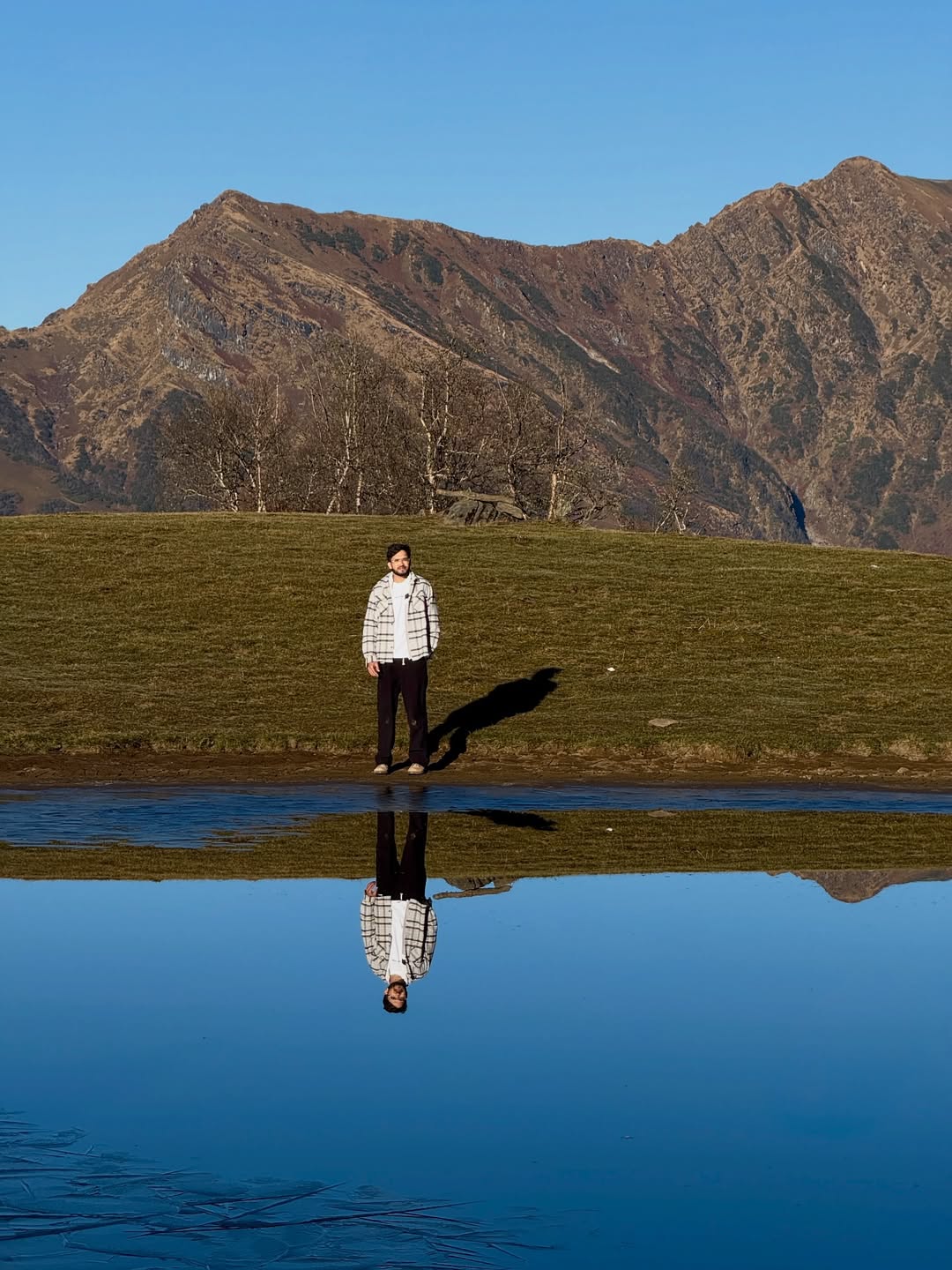
Madhyamaheshwar trek is one of the most scenic and spiritually significant trekking routes in the Garhwal
Himalayas. Spanning lush forests, alpine meadows, and rushing mountain streams, the trek leads to the sacred
Madhmaheshwar temple, perched at an altitude of 3,497 meters. This trail is part of the revered Panch Kedar
pilgrimage circuit and attracts both spiritual seekers and trekking enthusiasts. The trek is considered moderate
in difficulty, with well-marked paths that gradually gain altitude, making it accessible to trekkers with some
experience in high-altitude hiking.
The trek starts from Ransi, a quaint Himalayan village that serves as the base for the journey. From here, the
route passes through picturesque landscapes, offering panoramic views of the surrounding peaks. The total
distance from Ransi to Madhyamaheshwar temple is approximately 16–18 kilometers one way, depending on the chosen
trail. Along the way, trekkers encounter small streams, terraced fields, and dense pine forests that provide
natural shade and scenic beauty.
Altitude gain is gradual but significant, requiring trekkers to acclimatize properly. The lower sections of the
trek begin at around 1,981 meters in Ransi and steadily climb to reach the temple at 3,497 meters. This steady
elevation gain allows hikers to adjust comfortably, though caution is advised for those prone to altitude
sickness.
Many travelers refer to a Madhyamaheshwar trek itinerary or consult a Madhyamaheshwar travel guide before
starting, ensuring they have an accurate understanding of distances, altitudes, and estimated travel times.
Organizing a Madhyamaheshwar tour package
can also help streamline accommodation, guides, and logistics, leaving
trekkers free to focus on the journey itself.
Overall, the Madhyamaheshwar trek combines natural beauty, a steady trekking challenge, and high-altitude
Himalayan terrain, making it an unforgettable experience for those aiming to reach this sacred Panch Kedar
shrine.

Trek Route Overview and Distance
Madhyamaheshwar trek follows a well-defined route from Ransi village to the temple, covering approximately 16–18
kilometers one way. The journey can be divided into multiple segments, each offering distinct terrain, altitude
changes, and scenic features. Trekkers typically follow the Ransi → Jogimarhi → Tilakhal → Madhyamaheshwar path,
which provides a gradual ascent suitable for acclimatization and ensures a safe progression toward the
shrine.
The first segment, from Ransi to Jogimarhi, spans around 5–6 kilometers and involves gentle uphill trekking
through pine and deodar forests. Trekkers will encounter small streams and terraced farmland along the way,
making it an accessible starting portion of the route. This section is ideal for warming up and adjusting to the
altitude, which rises from Ransi’s 1,981 meters to approximately 2,400 meters at Jogimarhi.
From Jogimarhi to Tilakhal, the terrain becomes moderately steeper. Covering about 4–5 kilometers, this section
traverses through dense forests and narrow trails alongside mountain streams. The altitude rises gradually to
around 2,900 meters, offering trekkers a chance to acclimatize further. Scenic views of the surrounding
Himalayan peaks start appearing in this segment, providing motivation and opportunities for photography.
The final stretch from Tilakhal to Madhyamaheshwar temple is roughly 5–6 kilometers and presents the steepest
ascent, reaching the temple’s altitude of 3,497 meters. Although challenging, this segment rewards trekkers with
panoramic views of snow-capped peaks, cascading rivers, and the serene Himalayan landscape. The trail is
well-marked, with occasional resting points for hydration and acclimatization.
Overall, the Madhyamaheshwar trek route is manageable for moderately experienced trekkers who maintain a steady
pace. By planning according to a Madhyamaheshwar trek itinerary and considering the altitude gain, trekkers can
complete the journey efficiently while enjoying the natural beauty of the Garhwal Himalayas. The route
emphasizes both safety and a gradual rise in altitude, which is critical for a successful and enjoyable trek.

Altitude Details Along the Trail
Understanding the altitude profile of the Madhyamaheshwar trek
is crucial for a safe and comfortable journey.
The trek begins at Ransi village, situated at approximately 1,981 meters (6,500 ft). From this base, the trail
gradually ascends through dense forests, streams, and terraced farmland, giving trekkers time to adjust to the
increasing elevation.
The first major waypoint, Jogimarhi, sits at around 2,400 meters. This segment of the trek covers roughly 5–6
kilometers with a gentle incline, making it an ideal section for acclimatization. The gradual rise allows
trekkers to avoid sudden altitude-related issues while enjoying the natural Himalayan surroundings.
The trek continues from Jogimarhi to Tilakhal, which is situated at an altitude of approximately 2,900 meters.
This 4–5 kilometer stretch is moderately steep and includes alpine meadows and coniferous forests. At this
stage, the oxygen level starts to slightly decrease, so trekking slowly and staying hydrated becomes
important.
From Tilakhal, the final climb to Madhyamaheshwar temple reaches 3,497 meters (11,473 ft). This segment,
covering about 5–6 kilometers, is the steepest portion of the trek. Trekkers often take short breaks at resting
points to acclimatize and avoid fatigue. The temple sits in a serene location surrounded by snow-capped peaks,
offering a rewarding view for those who complete the ascent.
For those aiming to continue to Budha Madhyamaheshwar, the trek extends further with a slight elevation gain,
offering higher-altitude vistas and a more secluded Himalayan environment. This section is optional but adds a
spiritual and scenic dimension to the journey.
By understanding the altitude details along each segment, trekkers can plan their pace, rest periods, and
hydration effectively. Following a structured Madhyamaheshwar trek itinerary ensures proper acclimatization,
making the journey safe, enjoyable, and memorable. Proper preparation also minimizes the risk of altitude
sickness while maximizing the experience of traversing the stunning Garhwal Himalayas.
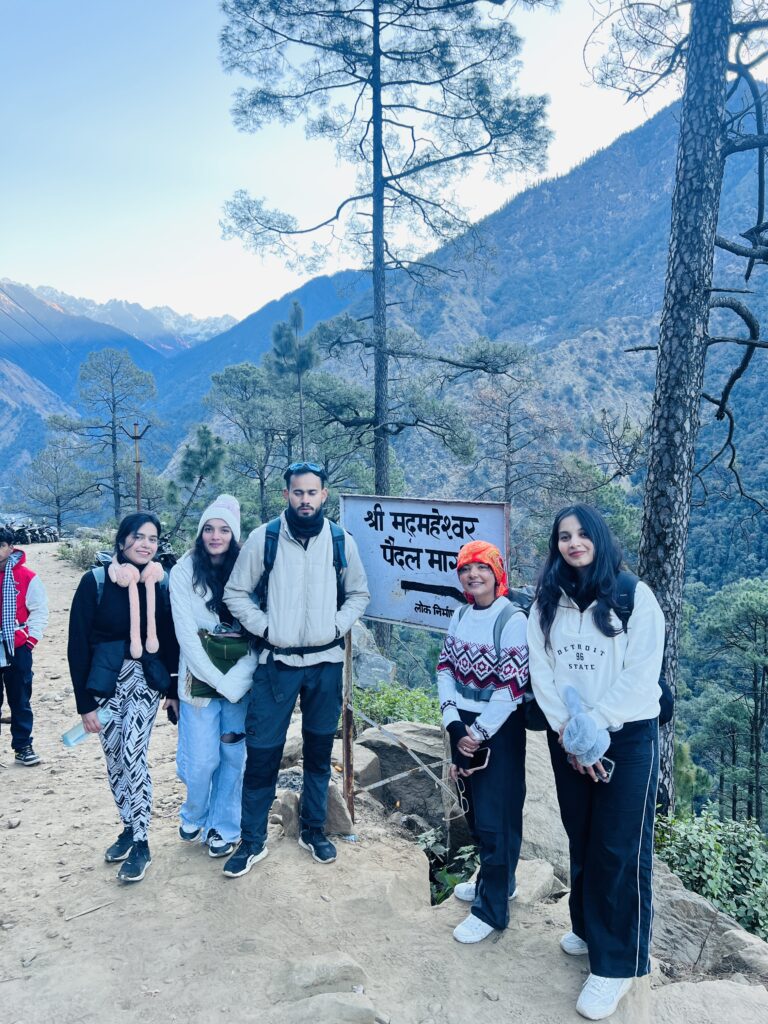
Day-wise Trekking Route Breakdown
The Madhyamaheshwar trek can be planned efficiently with a structured itinerary that combines travel, trekking, and accommodation details. Here is a typical day-wise breakdown:
Day 0: Overnight Departure from Delhi
Pickup Time: 9:30 PM from Akshardham Metro Station (Gate No. 1). Travelers usually use a car, MUV, SUV, or Tempo Traveller depending on the group size. The overnight journey covers approximately 6 hours from Delhi to Rishikesh. This early start allows trekkers to reach the Himalayan region fresh for the next day’s journey.
Day 1: Rishikesh to Ransi Village via Devprayag, Dhari Devi, and Omkareshwar
The journey continues from Rishikesh to Ransi Village, passing through significant religious and scenic stops. Key enroute sights include:
- Devprayag Sangam – the sacred confluence of rivers
- Dhari Devi Temple – a revered shrine along the route
- Omkareshwar Temple, Ukhimath – part of the Panch Kedar circuit
Arrival at Ransi Village is expected by evening. Guests check-in at local homestays, enjoy dinner, and rest in preparation for the trek to Madhyamaheshwar the next day.
Day 2: Trek to Madhyamaheshwar Temple (Approx. 16–17 km)
Early morning breakfast at the homestay precedes the trek start at 6:30 AM, accompanied by a local guide. The route covers about 16–17 km, ascending through pine forests, alpine meadows, and streams. Trekkers reach the sacred Madhyamaheshwar temple at 3,490 meters, where they can explore the site and perform rituals. Overnight stay is arranged in homestays or camps near the temple. Breakfast and dinner are included.
Day 3: Trek Down to Ransi and Return to Delhi
The final day begins with breakfast and an optional visit to Budha Madhyamaheshwar if time allows. Trekkers then descend back to Ransi Village. The journey back to Delhi starts by evening, with arrival expected early the next morning. Breakfast is included during the stay in Ransi before departure.
This detailed itinerary ensures a smooth and organized Madhyamaheshwar trek experience. Travelers benefit from well-planned daily distances, altitude management, and accommodation, making the trek both safe and enjoyable. Many trekkers combine this with a Madhyamaheshwar tour package to streamline logistics and enhance the overall Himalayan experience.

Starting Point: Ransi Village to Lower Bantoli
Madhyamaheshwar trek officially begins at Ransi Village, located at an altitude of approximately 1,981
meters. This section of the trek to Lower Bantoli spans around 6–7 kilometers and serves as a gentle
introduction to the Himalayan terrain. The path is well-marked, passing through terraced farmland, flowing
streams, and dense pine and deodar forests, making it visually rewarding for trekkers.
The route is gradual, with an elevation gain to approximately 2,300 meters at Lower Bantoli. Trekkers are
advised to maintain a steady pace to accommodate the altitude rise and avoid fatigue. This stretch is suitable
for both first-time trekkers and those preparing for higher sections of the route. Along the way, small resting
points and natural water sources provide opportunities to hydrate and acclimatize.
Many travelers follow a Madhyamaheshwar trek itinerary or a Madhyamaheshwar travel guide to understand the
distance, altitude gain, and approximate trekking time for this segment. The journey from Ransi to Lower Bantoli
sets the tone for the remainder of the trek, allowing trekkers to enjoy the scenic beauty of the Garhwal
Himalayas while gradually adjusting to high-altitude conditions. Proper footwear, trekking poles, and a light
backpack are recommended for comfort during this stretch.
Completing this segment successfully gives trekkers confidence and energy for the next stage, which involves steeper climbs toward Tilakhal and ultimately the sacred Madhmaheshwar temple. Many trekkers also opt for local guidance to ensure safety and a smooth experience on this introductory portion of the trek.

The Challenging Ascent: Lower Bantoli to Madhyamaheshwar Temple
The trek from Lower Bantoli to Madhyamaheshwar temple is the most demanding segment of the journey, covering
approximately 9–10 kilometers with a steady climb from around 2,300 meters to 3,497 meters. This portion
involves steeper slopes, rocky paths, and occasional narrow trails alongside flowing streams, making it
essential for trekkers to maintain a steady pace and take regular breaks. The ascent is physically challenging
but rewarding, as it leads to panoramic views of the surrounding Himalayan peaks, dense forests, and alpine
meadows.
Trekkers often begin this segment early in the morning to maximize daylight and allow time for acclimatization.
The route passes through Tilakhal, which sits at approximately 2,900 meters, marking a midway point for rest and
hydration. As the altitude increases, the oxygen level slightly decreases, requiring careful pacing and
attention to physical condition. The path is generally safe, though trekking poles and sturdy shoes are
recommended for added stability.
Many hikers use a Madhyamaheshwar trek
itinerary or consult a Madhyamaheshwar travel guide to prepare for this
stretch. Reaching the Madhmaheshwar temple after this challenging climb is a spiritually and visually rewarding
experience. Pilgrims and trekkers alike appreciate the combination of natural beauty and the serenity of the
sacred site. Overnight stay is usually arranged near the temple, allowing time to rest, explore, and acclimatize
further before optional continuation to Budha Madhyamaheshwar.
Overall, this ascent is the defining section of the Madhyamaheshwar trek, providing both a physical challenge and a sense of accomplishment. Proper planning, hydration, and pacing are crucial for enjoying this high-altitude Himalayan trek while safely reaching the revered Madhmaheshwar temple.

Final Stretch: Madhyamaheshwar Temple to Budha Madhyamaheshwar
The final stretch of the trek extends from Madhyamaheshwar temple at 3,497 meters to Budha Madhyamaheshwar,
located slightly higher in the Himalayan terrain. This optional segment covers around 2–3 kilometers and offers
trekkers a more secluded and serene experience amidst alpine meadows, pine forests, and panoramic mountain
views. Many trekkers also refer to this part as the beginning of the Budha Madhameshwar trek because of its
peaceful route and scenic elevation gain. Though shorter in distance, the trail involves gradual elevation gain
and requires careful footing on narrow paths with occasional rocky sections.
Trekkers often take this segment early in the morning to make the most of daylight and favorable weather
conditions.For more verified route insights and updated trail information, you can also refer to this trusted high-authority resource.
The route is well-suited for those seeking a quieter, high-altitude trek with spiritual
significance. As Budha Madhyamaheshwar is less visited than the main temple, it provides an opportunity to enjoy
solitude and observe the natural Himalayan environment, including flowing streams, snow-fed rivulets, and
distant snow-capped peaks — making the Budha Madhameshwar trek ideal for nature lovers.
The altitude gain in this section is moderate, helping trekkers further acclimatize before descending back to
Madhyamaheshwar temple and eventually to Ransi village. Many hikers refer to a Madhyamaheshwar trek itinerary or
a Madhyamaheshwar travel guide to understand the route, elevation, and estimated trekking time for this final
leg. The segment also complements the spiritual experience, adding a sense of accomplishment and tranquility
after the main temple visit.
Completing the trek to Budha Madhyamaheshwar enriches the overall Madhyamaheshwar trek experience. It allows trekkers to connect deeply with the high-altitude Himalayan environment while witnessing some of the most breathtaking scenery along the Panch Kedar route. Proper preparation, comfortable footwear, and trekking poles are recommended to ensure safety and enjoyment during this rewarding final stretch of the Budha Madhameshwar trek.
Frequently Asked Questions – Madhyamaheshwar Trek
1. How difficult is the Madhyamaheshwar trek?
The Madhyamaheshwar trek is considered moderate and suitable for trekkers with basic fitness levels. The route includes steady climbs, forest trails, and steep sections near the Madhmaheshwar temple. With proper pacing and a well-planned Madhyamaheshwar trek itinerary, most beginners can complete the journey comfortably.
2. What is the total distance of the Madhmaheshwar trek?
The total trekking distance from Ransi to Madhmaheshwar is approximately 16–17 km one way. If trekkers choose to extend the journey up to Budha Madhyamaheshwar, an additional 2–3 km is added to the trail, offering panoramic Himalayan views.
3. What is the altitude of Madhmaheshwar temple?
Madhmaheshwar temple stands at an altitude of about 3,497 meters. This high elevation provides breathtaking views and requires proper acclimatization for a safe and enjoyable trekking experience.
4. What is the best time to visit Madhmaheshwar?
The best time to visit Madhmaheshwar is from May to June and September to October. During these months, Madhyamaheshwar weather remains pleasant, the skies are clear, and the trail is safe. The temple remains closed in winter due to heavy snowfall.
5. How much does the Madhyamaheshwar trek cost?
The average Madhyamaheshwar trek cost ranges from ₹7,000 to ₹12,000, depending on meals, guides, transport, and accommodation. Many trekkers choose a complete Madhmaheshwar package for convenience and better planning.
6. How do I reach the Madhyamaheshwar trek starting point?
The trek starts from Ransi Village, which can be reached from Rishikesh via Kund–Ukhimath road. Travelers coming from other states often prefer booking a Madhyamaheshwar tour package from Delhi for a hassle-free journey and smoother transfers.
7. Is Budha Madhyamaheshwar worth visiting?
Yes, Budha Madhyamaheshwar offers one of the most stunning viewpoints of Chaukhamba and surrounding Himalayan peaks. Trekkers often consider this extension an essential part of the Madhyamaheshwar trek for the rewarding sunrise and peaceful atmosphere.
8. How many days are needed for the Madhyamaheshwar trek?
Most trekkers complete the trek in 3 days following the common Madhyamaheshwar travel guide structure: Day 1 Rishikesh to Ransi, Day 2 trek to Madhmaheshwar, Day 3 return. Adding Budha Madhyamaheshwar may require a bit more time depending on fitness and pace.
9. Is there network connectivity on the route?
Network availability is limited. Jio and BSNL work in lower areas but connectivity weakens as you approach the Madhyamaheshwar temple. Offline maps and a printed version of your Madhyamaheshwar trek itinerary are recommended.
10. Can beginners do the Madhmaheshwar trek?
Yes, beginners can comfortably complete the Madhmaheshwar trek with moderate fitness and proper preparation. The trail is safe, well-marked, and supported by homestays along the route. Many first-time trekkers choose a Madhyamaheshwar tour package for guided support.