

Madhmaheshwar, also known as Madhyamaheshwar, is one of the most sacred temples of the Panch Kedar in
Uttarakhand. Situated at an altitude of around 3,497 meters, this holy shrine dedicated to Lord Shiva lies in a
remote Himalayan valley surrounded by dense forests, alpine meadows, and towering snow peaks.
The Madhmaheshwar trek is a perfect blend of spiritual energy and natural beauty. Trekkers and devotees travel
through scenic trails, charming villages, and lush rhododendron forests to reach this divine temple. The region
offers mesmerizing views of Chaukhamba, Mandani, and Kedarnath Dome, making it one of the most rewarding routes
in the Garhwal Himalayas.
For many pilgrims, choosing a Madhmaheshwar
tour package makes the journey easier and better planned. These
packages often include transport, accommodation, meals, guide support, and full assistance throughout the yatra.
With a well-designed madhmaheshwar tour package, travellers can enjoy a smooth and comfortable pilgrimage
without worrying about logistics. Whether you are travelling solo, with family, or as part of a Panch Kedar trek
package, this trek offers a deeply spiritual and enriching experience.
With options like Madmaheshwar trek from Rishikesh or Madmaheshwar trek from Delhi, reaching this sacred site
has become more accessible for both trekkers and devotees seeking a true Himalayan pilgrimage.
Location & Accessibility: How to Reach Madhyamaheshwar
Madhyamaheshwar is located in the Rudraprayag district of Uttarakhand, deep within the Garhwal Himalayas.
The journey begins with a scenic drive and ends with a peaceful yet adventurous trek through forests, villages,
and mountain ridges. Understanding how to reach this sacred temple helps you plan your
Madmaheshwar tour package more effectively.
How to Reach Madhyamaheshwar by Road
The nearest major town is Ukhimath, well connected with Rishikesh, Haridwar, Dehradun, and Delhi.
From Ukhimath, travelers drive to Ransi Village, the starting point of the
Madmaheshwar trek route. Ransi to Madhmaheshwar is a trekking path filled with wildlife,
streams, and Himalayan viewpoints.
Daily buses and shared taxis operate from Rishikesh to Ukhimath. From there, a short drive takes you to
Ransi, followed by the official trek to Madhyamaheshwar Temple.
Most travelers take an overnight bus or train to Haridwar/Rishikesh, then continue towards
Ukhimath and Ransi. Many Madhyamaheshwar yatra packages include pickup from Delhi for added convenience.
Nearest Airports and Railway Stations
Nearest Airport: Jolly Grant Airport, Dehradun
Nearest Railway Station: Rishikesh (preferred), Haridwar (alternative)
These well-connected routes make it simple for devotees and trekkers to include
Madhmaheshwar in their Uttarakhand pilgrimage tour.

Trek Distance & Difficulty Level Compared
Madhmaheshwar trek is one of the most scenic routes in the Garhwal Himalayas, offering a perfect blend
of forest trails, mountain streams, meadows, and traditional Himalayan villages. Understanding the trek distance
and difficulty helps travelers prepare better and choose the right Madmaheshwar tour package.
Total Trek Distance
The trek begins from Ransi Village, which serves as the base point. From Ransi to Madhyamaheshwar Temple,
the total trekking distance is approximately 16–18 km one way, depending on the route and weather conditions.
The trail passes through Gaundhar, Bantoli, and Nanu before reaching the main shrine.
Trek Difficulty Level
The Madhmaheshwar trek is generally categorized as a moderate trek. The route includes steep ascents near
Bantoli and long walking stretches, making it suitable for beginners with basic fitness as well as experienced
trekkers. Proper trekking shoes, hydration, and gradual pacing are recommended.
Best Time to Trek
The ideal time to undertake the Madhmaheshwar trek is from May to June and September to October.
During these months, the weather is pleasant, the trail is clear, and the surrounding landscapes are
at their most beautiful. Travelers planning during peak months often prefer booking a Madmaheshwar
yatra package
to ensure smooth arrangements.
Fitness Requirements
A moderate fitness level is sufficient for most trekkers. Daily walks, stair climbing, and basic cardio exercises can help prepare for the trek. Travellers with respiratory or knee issues should consult a doctor before starting the journey.

Scenic Beauty & Landscape Comparison
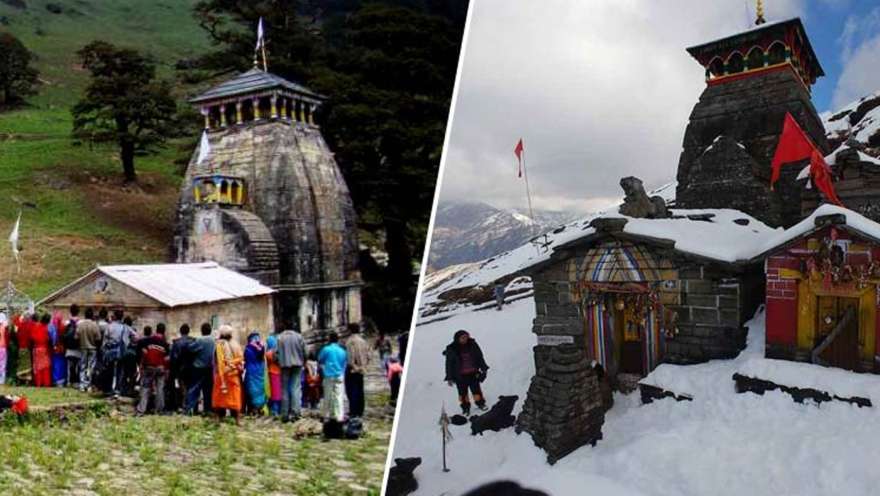
Both Madhyamaheshwar and Tungnath offer breathtaking Himalayan beauty, yet each destination showcases a
completely different visual experience. Understanding their landscape differences helps travellers choose the
trek that matches their expectations—whether they prefer peaceful valleys, dense forests, or panoramic summit
views. Tungnath is famous for its expansive open views, high-altitude meadows, and snow-covered peaks that
surround the trail. As one climbs from Chopta, the scenery transforms from lush forests to alpine meadows,
eventually opening into stunning Himalayan vistas. The trek is especially picturesque during spring when
rhododendrons bloom across the pathway.
At Tungnath Temple, trekkers witness magnificent views of Chaukhamba, Kedarnath Dome, Trishul, and Nanda Devi,
with the Chandrashila summit offering one of the best 360-degree Himalayan panoramas. Sunrise from Chandrashila
is considered one of the finest in Uttarakhand. In contrast, Madhyamaheshwar offers a quieter and more spiritual
scenic charm. The Madhyameshwar
trek route takes you through dense forests, charming villages, gushing streams, and serene valleys that
reflect the untouched beauty of the Himalayas.
The temple sits peacefully between towering mountain ridges, creating a divine and tranquil atmosphere. The
Budha Madhyamaheshwar viewpoint is the highlight, offering a surreal reflection of snow peaks in still water
bodies—one of Uttarakhand’s most beautiful natural sights. In summary, Tungnath attracts travellers who love
dramatic sunrise views and open Himalayan panoramas, while Madhyamaheshwar is ideal for those who seek peaceful
forest trails, spiritual calmness, and raw Himalayan charm.

Pilgrimage Importance: Spiritual Significance of Both Temples
Madhyamaheshwar and Tungnath are two of the most sacred shrines in the Panch Kedar circuit, each holding deep
mythological and spiritual value for devotees of Lord Shiva. While Tungnath is revered as the highest Shiva
temple in the world, Madhyamaheshwar is cherished as the divine navel form of Shiva, worshipped in a serene and
meditative Himalayan setting. Understanding their religious significance helps travellers choose the pilgrimage
experience that aligns with their spiritual intentions.
Tungnath is believed to be the place where the arms of Lord Shiva appeared when he took the form of a bull to
avoid the Pandavas after the Mahabharata. Situated at 3,680 meters, it is one of the oldest and most revered
Shiva temples. Devotees believe that offering prayers here grants inner strength, clarity, and liberation. Many
pilgrims also trek further to the Chandrashila summit, associated with Lord Rama and the moon-god Chandra,
making the pilgrimage not just spiritual but also adventurous. Because of its shorter trail, Tungnath attracts
thousands of pilgrims every year.
Madhyamaheshwar holds a deeper, quieter spiritual aura. According to legend, the navel portion of Shiva
manifested here, symbolizing the universe’s center and cosmic balance. The temple’s peaceful atmosphere, ancient
rituals, and undisturbed surroundings make it a favourite among devotees seeking deep meditation, healing, and
soul-level transformation. The Budha Madhyamaheshwar temple, located above the main shrine, is believed to be
even more spiritually potent and offers awe-inspiring mountain reflections and serenity.
While Tungnath appeals to devotees seeking a high-altitude, energetic pilgrimage filled with dramatic views,
Madhyamaheshwar is ideal for those longing for silence, devotion, and authentic Himalayan spirituality. Both
temples are vital parts of the Panch Kedar journey and provide life-changing experiences in their own unique
way.
Weather & Best Time to Visit Both Treks
Weather plays a crucial role in planning both the Madhyamaheshwar and Tungnath treks, as each destination
offers a completely different seasonal experience. Understanding the climate helps you decide the ideal time to
travel based on safety, comfort, photography, and the kind of Himalayan scenery you want to enjoy.
Tungnath is best visited from April to June and again from September to November. In summer, the trail opens
with blooming rhododendrons, pleasant temperatures, and clear Himalayan views. The weather remains mild, making
the trek easy even for beginners. During autumn, the skies turn crystal clear, offering sharp views of peaks
like Chaukhamba and Trishul. Winter turns Tungnath into a snow paradise, but heavy snowfall often closes the
trail beyond Chopta. Only experienced trekkers usually attempt Tungnath in deep winter, and Chandrashila becomes
inaccessible on most days due to icy conditions.
Madhyamaheshwar, on the other hand, experiences a different weather pattern. The best time to visit is from May
to mid-July and again from September to early November. Summer is ideal for comfortable trekking, lush greenery,
flowing streams, and pleasant temperatures. The temple opens in May, and early-season travellers may still find
melting snow along the upper stretches. The monsoon months are challenging due to slippery trails, landslide
risk, and leeches in forested sections, so most trekkers avoid July–August. Post-monsoon is considered the most
beautiful time for the Madhmaheshwar trek, with golden valleys, fresh forests, and incredibly clear mountain
reflections at Budha Madhyamaheshwar. Many trekkers search for the Madhmaheshwar trek best time to plan their
journey, and this season offers the most scenic and peaceful experience. Winter brings heavy snowfall, closing
the temple and restricting access to the region until the next season.
In summary, Tungnath is perfect for spring blooms and autumn views, while Madhyamaheshwar is best enjoyed in
early summer and post-monsoon for its peaceful landscapes and pristine Himalayan beauty. Choosing the right
season ensures a safe, comfortable, and visually enriching trekking experience.

Accommodation & Food Options on Both Treks
Accommodation and food availability play a major role in planning both the Madhyamaheshwar and Tungnath treks,
as the level of comfort and accessibility differs significantly between the two routes. While both treks offer
basic Himalayan hospitality, the facilities at each destination cater to different trekking needs, budgets, and
expectations.
Tungnath offers more accessible and flexible accommodation options due to its proximity to Chopta, which is a
popular tourist hub. Travellers can find a variety of stays ranging from budget guesthouses to premium campsites
and eco-huts. Chopta has ample rooms, tents, and cottages available across different price ranges, making it
easy for families, beginners, and backpackers to find suitable lodging. Food options are also plentiful, with
roadside dhabas and small eateries serving Maggi, dal-rice, parathas, tea, and snacks throughout the trek route.
Near the Tungnath trail, temporary shacks open during summer and autumn seasons, offering basic meals and
refreshments. Staying in Chopta also allows trekkers to comfortably plan early morning ascents to Tungnath and
Chandrashila.
Madhyamaheshwar, being a remote pilgrimage site, offers simpler and more traditional village-based
accommodations. Most travellers stay in homestays or simple lodges in villages like Ransi, Gaundhar, Nanu, or
directly near the Madhyameshwar temple. These stays provide basic rooms with minimal facilities, often run by
local families who offer authentic pahadi food such as dal, roti, sabzi, rice, and seasonal vegetables.
Electricity may be limited in some villages, and mobile network coverage becomes weaker as you approach the
temple. Because everything needs to be carried up manually or by mules, food and stay costs are slightly higher
than regular hill stations. Many travellers prefer booking a Madhyameshwar tour package to ensure pre-arranged
accommodation, meals, and smoother logistics on the remote trek route. However, the peaceful environment, warm
hospitality, and stunning natural surroundings make the experience rewarding and memorable.
In summary, Tungnath offers more comfortable and accessible accommodation choices, while Madhyamaheshwar
provides a raw, authentic Himalayan village stay experience ideal for those who prefer simplicity and
nature-driven travel.

Budget Comparison: Which Trek Is More Affordable
Budget is an important factor when choosing between the Madhyamaheshwar and Tungnath treks, as both journeys
involve different travel distances, accommodation types, and food availability. While neither trek is extremely
expensive, understanding the cost breakdown helps travellers plan better and choose a trek that fits their
financial comfort level.
Tungnath is generally considered the more budget-friendly option due to its short trek distance and easy
accessibility. Since Chopta is well-connected and the trek to Tungnath is only 3.5 km, travellers spend less on
transportation, guides, and accommodation. Many visitors even complete the Tungnath–Chandrashila circuit in a
single day, further cutting down stay expenses. Basic guesthouses in Chopta, Dhannu, or near the trail offer
affordable rooms and meals, making Tungnath ideal for backpackers and short-budget travellers. Even during peak
season, the overall cost remains manageable due to the availability of multiple lodging and food
options.
Madhyamaheshwar, on the other hand, is slightly more expensive due to the longer trek, remote route, and limited
accommodation choices. Travellers need to reach Ransi Village first, which involves additional transportation
from Ukhimath or Rudraprayag. The trek spans around 16–18 km one way, requiring at least 2–3 days of stay in
villages like Gaundhar or Nanu. Food and lodging are available but priced slightly higher due to the remote
location and the effort required to bring supplies to these villages. Hiring a guide, mule, or porter—often
recommended for first-time trekkers—adds to the total cost. Travellers booking a Madhmaheshwar tour package
usually find it more convenient, but the cost naturally increases depending on inclusions like meals, transport,
and stays.
Overall, Tungnath is the better choice for travellers seeking a shorter, budget-friendly pilgrimage, while
Madhyamaheshwar suits those willing to invest a little more for a longer, immersive Himalayan trekking
experience.
Which Trek Is Better for Beginners
Choosing the right trek matters a lot for beginners, especially when traveling in the high-altitude regions of
Uttarakhand. Both Madhyamaheshwar and Tungnath offer beautiful Himalayan experiences, but when it comes to ease,
accessibility, and safety for first-time trekkers, one clearly becomes more suitable than the other.
Understanding the difficulty levels, trail conditions, and daily trekking demands will help beginners make an
informed and comfortable choice.
Tungnath is undoubtedly the better option for beginners due to its short distance, well-paved trail, and easier
climb. The trek from Chopta to Tungnath is only about 3.5 km, making it manageable even for families, kids, and
elderly travellers with moderate fitness. Many travellers even opt for a Tungnath trek from Delhi because of its
short route and easy accessibility. The path is mostly stone-laid, with clear markings and gradual slopes,
which significantly reduces the chances of getting tired or injured. Rest points, tea shops, and food stalls are
available along the trail during peak season, giving beginners the comfort of taking breaks whenever needed. The
altitude gain is also easier to adjust to, and because the trek can be completed in a single day, it becomes a
perfect first-timer’s Himalayan trekking experience.
Madhyamaheshwar, on the other hand, is more challenging for beginners due to its long trekking distance of 16–18
km one way, steep forest climbs, and remote terrain. The trek requires at least 2–3 days of consistent walking,
which can be physically demanding for someone with no prior trekking experience. For travellers starting their
journey early, madhmeshwar tour packages from delhi provide a convenient and organised way to reach the base
village and complete the trek comfortably. Beginners may find long stretches tiring, and the lack of frequent
food stalls or rest points means proper preparation is essential. The route also involves narrow forested paths,
rocky sections, and constant ascents, making it better suited for trekkers with at least moderate fitness or
some prior hiking experience. However, beginners traveling with a guide or booking a package may still complete
it comfortably with proper pacing and support.
In conclusion, Tungnath is the best trek for beginners due to its short, easy, and scenic route, while
Madhyamaheshwar is ideal for those ready for a slightly tougher but deeply rewarding spiritual and natural
experience.
