
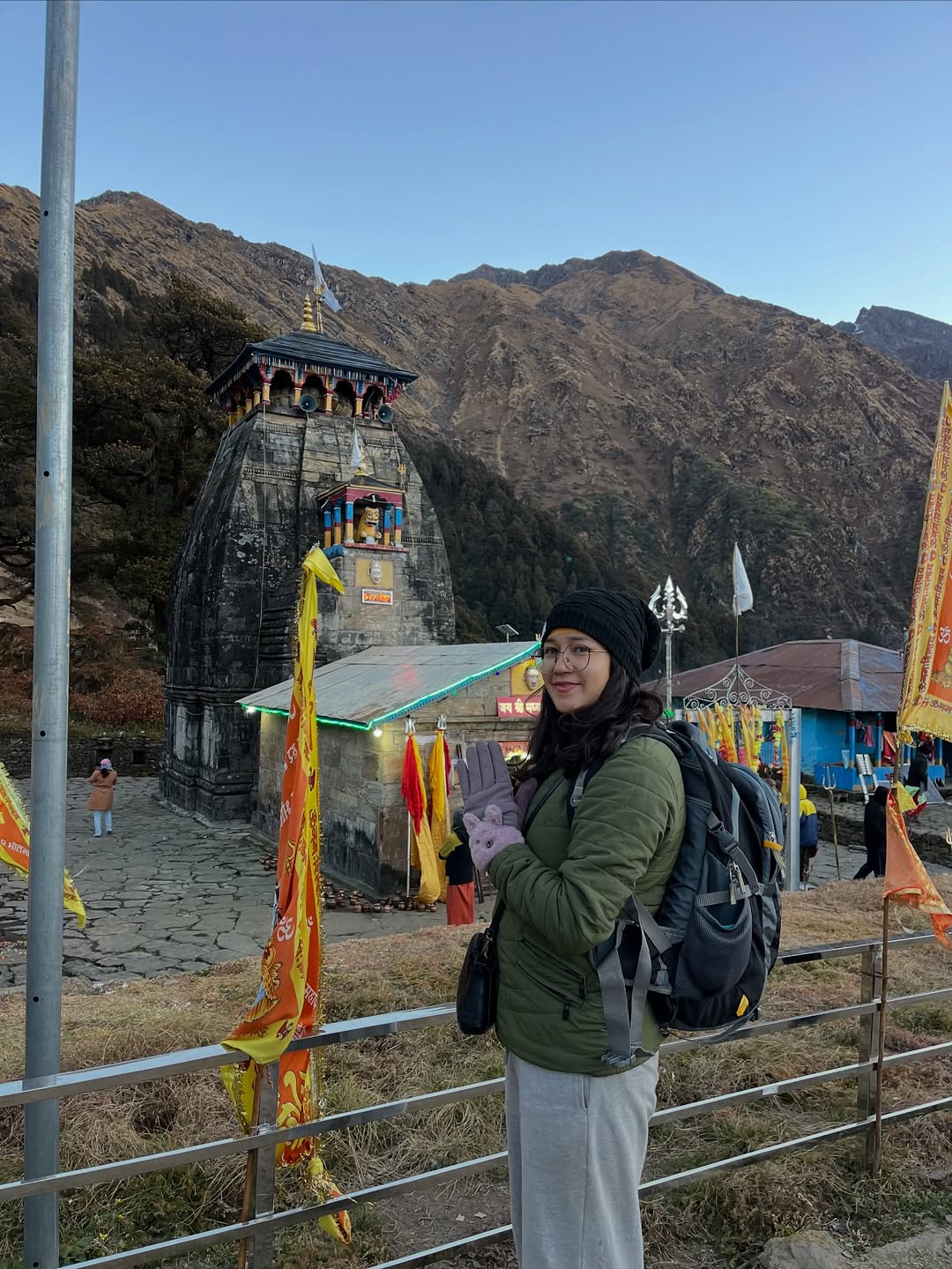
Madhmaheshwar, one of the sacred Panch Kedar temples dedicated to Lord Shiva, is a serene Himalayan pilgrimage surrounded by dense forests, high-altitude meadows, and peaceful village routes. Located in the Rudraprayag district of Uttarakhand, the temple can only be reached by trekking, making the Madhyamaheshwar trek a memorable experience for both devotees and nature lovers. For beginners, this route is manageable with proper preparation, and the gradual ascent rewards you with breathtaking Himalayan views and the spiritual charm of the Madhmaheshwar temple.
Understanding the opening and closing dates of the temple is essential when planning your journey. Since the
region receives heavy snowfall during winter, the kapat (doors) of the temple remain open only for six months.
This limited period shapes the best time to visit Madhmaheshwar, influences accommodation availability, and
helps visitors design their Madhmaheshwar trek itinerary accordingly.
During the winter closure, the deity is moved to Omkareshwar Temple in Ukhimath, allowing devotees to continue
their worship. Whether you are coming from Ransi, Gaundar, or planning your trip from cities like Delhi to
Madhmaheshwar, knowing the seasonal schedule allows for a smooth and well-prepared pilgrimage. With the right
planning and guidance from a reliable Madhyamaheshwar travel guide, even first-time trekkers can enjoy this
sacred journey with confidence.
Annual Opening Dates of Madhyamaheshwar Temple
The opening dates of the Madhmaheshwar temple mark the beginning of the trekking and pilgrimage season in this
peaceful Himalayan valley. Every year, the kapat of the temple is officially announced on Basanta Panchami, and
the shrine usually opens in late April or early May, depending on the weather and snow conditions along the
Madhyamaheshwar route. Since the region stays covered in snow throughout winter, the opening ceremony holds
great significance for both devotees and trekkers planning their journey.
For those preparing for the Madhyamaheshwar trek, these dates are extremely important, as all
facilities—including homestays, food points, and local guide services—begin operating only after the temple’s
doors are opened. Many visitors design their Madhmaheshwar trek itinerary around the opening week because the
trail is fresh, the views are clear, and the early summer climate is ideal for beginners. The pleasant
Madhyamaheshwar weather during this period also makes the journey comfortable for families and first-time
trekkers.
Travelers coming from major cities like Delhi to Madhmaheshwar often pre-book accommodations or choose a
Madhmaheshwar package to ensure a hassle-free experience during the opening days, when footfall increases. Since
this time is considered the best time to visit Madhmaheshwar, the trek also attracts nature lovers heading
further to the scenic Budha Madhyamaheshwar trek viewpoint.
Before finalizing travel plans, always refer to an updated Madhyamaheshwar travel guide to verify the annual
kapat date announced by temple authorities, ensuring you begin your spiritual journey at the right time.

When Does Madhyamaheshwar Temple Close for Winter?
The closing of the Madhmaheshwar temple marks the end of the active pilgrimage and trekking season in this quiet
and spiritually rich Himalayan valley. Due to heavy snowfall and extreme winter conditions, the temple cannot
remain accessible year-round. The kapat usually closes in the second week of November, and the exact date is
announced every year on Vijayadashami (Dussehra). Once the closure date is confirmed, trekkers and devotees plan
their final journeys along the Madhyamaheshwar
route before the region becomes inaccessible.
Understanding these closing dates is important for anyone planning the Madhyamaheshwar trek, especially
beginners. After mid-November, the entire trail—from Ransi to Bantoli, Gaundar, and the higher sections—starts
experiencing severe cold, icy patches, and early snowfall. With declining Madhyamaheshwar weather and limited
sunlight, the path becomes unsafe, and all local services such as homestays, food stalls, and guide support shut
down for the season. This means trekkers must complete their journey well before the official closure.
Even though the closing period marks the end of the yatra, it also holds deep cultural significance. After the
kapat shuts, the idol of Lord Shiva is ceremonially moved to the Omkareshwar Temple in Ukhimath, where winter
worship continues. Many devotees coming from cities like Delhi to Madhmaheshwar or those following a pre-booked
Madhmaheshwar package align their visit with this ritual, which is considered highly auspicious.
For those interested in exploring the scenic Budha Madhyamaheshwar trek, October to early November is the ideal
time, as trails are still clear and stable. As always, beginners should follow an updated Madhyamaheshwar travel
guide to verify closing information before planning their itinerary.
Why the Temple Remains Closed for Six Months
The Madhmaheshwar temple remains closed for nearly six months due to the harsh and unforgiving winter conditions
of the Himalayan region. Located at a high altitude, the entire Madhyamaheshwar trek route becomes extremely
challenging once temperatures drop and snowfall begins. From November to April, the trail from Ransi to Gaundar,
Bantoli, and beyond remains covered in thick snow, making it unsafe for both beginners and experienced trekkers.
This is the primary reason why the temple doors are shut and the deity is moved to Ukhimath for winter
worship.
During this closed period, the region experiences severe Madhyamaheshwar weather, including sub-zero
temperatures, heavy snow accumulation, and strong winds. All local accommodation options such as homestays and
guest houses remain non-operational as the villages empty out, and the trek becomes inaccessible. For travelers
planning a Madhmaheshwar trek itinerary, this seasonal closure helps them avoid unsafe conditions and plan their
visit during months when the trail is stable and services are available.
The winter closure also holds religious significance. As part of ancient tradition, the idol of Lord Shiva is
ceremonially transferred to the Omkareshwar Temple in Ukhimath, where devotees continue worship throughout
winter. Visitors coming from faraway cities like Delhi to Madhmaheshwar often plan their pilgrimage around this
ritual, especially if they have opted for a Madhmaheshwar package.
For those hoping to explore nearby attractions like the Budha Madhyamaheshwar trek, the six-month closure period
serves as a reminder to visit only when the region is open and safe. Always refer to a reliable Madhyamaheshwar
travel guide to understand seasonal changes and plan your trip accordingly.

Best Time to Visit Madhyamaheshwar During the Open Season
The best time to visit Madhyamaheshwar is during the official open season, typically from late April or early May through October. For beginners and casual trekkers, the ideal months are May–June and September–October, when Madhyamaheshwar weather is most stable — days are pleasant, trails are clear, and the risk of sudden snowfall or heavy rain is low. Visiting in this window makes following a standard Madhyamaheshwar trek itinerary much easier and more enjoyable.
Early summer (May–June) brings blooming rhododendrons and crisp mountain views, which are perfect for photography and short acclimatization walks along the Madhyamaheshwar route. The autumn window (September–October) offers clear skies and excellent visibility of the Himalayan peaks after the monsoon, making it another favorite period to plan a trip. Both seasons are also the most practical for travelers coming from cities like Delhi — roads remain open and local transport to the base village of Ransi is more reliable.
Many operators run Madhmaheshwar packages during these months, bundling transport, accommodations, and guided support into a single itinerary. Beginners benefit from these packages because they reduce logistical hassle and often include advice on acclimatization and safety. If budget is a concern, compare options to manage Madhyamaheshwar trek cost — offseason shoulder months (late April or early November) can sometimes offer lower rates but require careful weather checks.
Those planning side excursions, such as the Budha Madhyamaheshwar trek viewpoint, will find conditions favorable in the same open-season months. As always, consult an up-to-date Madhyamaheshwar travel guide or local operators before booking, check recent weather forecasts, and confirm temple opening dates so your visit to the Madhmaheshwar temple is safe, comfortable, and spiritually rewarding.

Madhyamaheshwar Winter Worship at Ukhimath (Omkareshwar Temple)
When the Madhmaheshwar temple closes in November due to heavy snowfall and extreme Himalayan conditions, the winter worship of Lord Shiva is shifted to the sacred Omkareshwar Temple in Ukhimath. This tradition has continued for centuries and ensures that devotees can continue their prayers even when the main shrine becomes inaccessible. For many pilgrims, witnessing the ceremonial movement of the deity from Madhmaheshwar to Ukhimath is a deeply spiritual experience and a cultural highlight of the region.
The winter worship period typically lasts from mid-November until late April, which is the time when the Madhyamaheshwar trek route remains entirely shut. During these months, Ukhimath becomes the central pilgrimage hub in the area. Devotees traveling from nearby towns or from metro cities like Delhi often include Ukhimath in their itinerary, especially if they cannot trek to the Madhmaheshwar temple during the summer. Beginners who want a spiritual experience without trekking also find Ukhimath a comfortable alternative.
Visiting Omkareshwar Temple during winter also gives pilgrims a glimpse into the deeper rituals practiced in the region. The temple hosts daily prayers, special winter pujas, and ceremonies that follow the same traditions as the main shrine. Those booking a Madhmaheshwar package in the offseason are often guided to Ukhimath directly, making it easy to maintain a spiritual connection even when the main temple is closed.
Although winter worship replaces the high-altitude pilgrimage, it still holds equal importance in the Madhyamaheshwar travel guide. For trekkers planning side trips like the Budha Madhyamaheshwar trek, visiting Ukhimath first helps them understand the cultural depth of the route. By learning the significance of winter worship, travelers can better appreciate the seasonal rhythms that shape the spiritual environment around Madhyamaheshwar.

Tips for Planning Your Visit Around the Kapat Opening
Planning your visit around the Madhmaheshwar temple kapat opening is essential, especially for beginners and first-time trekkers. The opening date, announced annually on Basant Panchami, marks the start of the official trekking season. Because accommodations, food stalls, and guide services only resume after this date, timing your journey correctly ensures a smooth and comfortable experience on the Madhyamaheshwar trek. Most travelers prefer reaching Ransi a day or two before the opening ceremony to avoid last-minute rush and secure early-season bookings.
If you are following a structured Madhmaheshwar trek itinerary, make sure to include buffer days since early summer weather in the Himalayas can sometimes cause delays. The Madhyamaheshwar route just after opening is scenic but may still have patches of melting snow, so beginners should trek slowly, acclimatize well, and remain attentive to trail conditions. It is also important to check the latest Madhyamaheshwar weather updates, as temperatures can still drop sharply during late April. Travelers starting their journey for Madhmaheshwar from Delhi should especially stay updated on weather changes, as long travel hours may require better planning and flexibility.
Booking a reliable Madhmaheshwar package during the opening week is a smart choice for new trekkers, as it covers transport, meals, stays, and guide support in one itinerary. Travelers coming from metro cities like those planning Madhmaheshwar from Delhi benefit the most because pre-planned packages eliminate uncertainty during peak days. If you are traveling independently, compare stay options in Ransi, Bantoli, and Gaundar to manage your Madhyamaheshwar trek cost effectively.
For those planning to extend their journey towards the Budha Madhyamaheshwar trek viewpoint, the early-season
window is excellent for peaceful trails and unobstructed mountain views.
Always refer to a current
Madhyamaheshwar
travel guide for verified kapat dates and on-ground updates. Proper planning, early bookings,
and weather checks ensure that your visit during the temple’s opening days is memorable, safe, and spiritually
fulfilling.