

The temple is believed to be built by the Pandavas, and its architecture reflects traditional Himalayan craftsmanship rooted in spirituality and mythology. Pilgrims undertake the Madmaheshwar pilgrimage every year, especially during the Madmaheshwar opening dates, when darshan to Lord Shiva resumes after winter closure. Travelers often search for Madhyamaheshwar photos, Madhyamaheshwar map, and Madmaheshwar darshan timings when planning their trip to this sacred Himalayan destination.
With increasing interest in spiritual tourism, visitors now explore various Madhyamaheshwar tour packages, including Madhyamaheshwar packages Uttarakhand and Madhyamaheshwar tour package from Delhi , which offer complete arrangements for transport, stays, and trekking support. For accommodation, pilgrims can find simple Madhyamaheshwar hotels and homestays near the shrine and along the trekking trail. The temple region is equally rich in Madhyamaheshwar wildlife, natural beauty, cultural traditions, and peaceful Himalayan energy—making it one of the most rewarding sacred treks in Uttarakhand.
Mythological Legends Associated with the Madhmaheshwar Temple
The legends surrounding Madhmaheshwar Temple are among the most fascinating in the entire Panch Kedar
pilgrimage. According to Hindu mythology, the temple is deeply connected to the Pandavas and their quest for
forgiveness after the Kurukshetra war. The story begins when the Pandavas sought blessings from Lord Shiva to
cleanse themselves of the sin of war. Shiva, still displeased, avoided them by taking the form of a bull and
disappearing into the Himalayan mountains. When the Pandavas recognized him, the bull vanished into the earth
and later reappeared in different locations across Uttarakhand—each forming the sacred Panch Kedar
temples.
Madhmaheshwar (Madhyamaheshwar) represents the place where the navel (middle portion) of Lord Shiva is believed
to have emerged from the earth. This divine origin grants the site immense religious significance, and pilgrims
consider the temple one of the most spiritually powerful stops on the Madmaheshwar pilgrimage. The main sanctum
houses a black stone lingam, naturally shaped and worshipped as a symbol of Lord Shiva’s presence. The temple is
surrounded by a calm, meditative atmosphere, and devotees often experience deep peace during Madmaheshwar
darshan timings, especially at dawn and dusk.
Another popular legend highlights the connection between Madhmaheshwar and Budha Madhyamaheshwar, a serene
high-altitude meadow located a few kilometers above the main temple. This sacred viewpoint is believed to be a
place where divine beings meditate, offering panoramic views of Chaukhamba, Mandani, and other majestic
Himalayan peaks. Trekking here along the Madmaheshwar trek route is both spiritually uplifting and visually
breathtaking.
These ancient stories continue to shape the cultural identity of nearby villages, where rituals, traditions, and
festivals honor the legacy of the Pandavas. This mythological heritage contributes greatly to the
Madhyamaheshwar cultural significance, attracting pilgrims, trekkers, and spiritual seekers from all over India.

Geographical Location and Elevation of the Madhmaheshwar Valley
Madhmaheshwar Valley, home to the sacred Madhyamaheshwar Temple, is located in the Rudraprayag district of
Uttarakhand, nestled deep within the heart of the Garhwal Himalayas. Set at an elevation of 3,497 metres, the
temple lies in one of the most pristine and scenic high-altitude regions of India. Surrounded by dense forests,
alpine meadows, glacial streams, and towering Himalayan peaks like Chaukhamba and Mandani, the valley offers an
unmatched natural setting that enhances the spiritual aura of the Panch Kedar Madhyamaheshwar shrine. Its remote
geography ensures a peaceful environment, making it a favourite destination for nature lovers, trekkers, and
pilgrims seeking an authentic Himalayan pilgrimage experience.
The valley falls within the Kedarnath Wildlife Sanctuary, an eco-sensitive region rich in flora and fauna.
Trekkers often witness Himalayan wildlife such as musk deer, monal pheasants, and rare high-altitude birds
during their journey along the Madmaheshwar
trek route. As the trail gains elevation, the landscape gradually transitions from thick oak and
rhododendron forests to open grasslands, rocky pathways, and finally the sacred temple zone surrounded by
snow-fed streams. This layered geography is a major attraction for visitors who wish to explore Madhyamaheshwar
wildlife, capture scenic views, or simply experience raw Himalayan nature at its finest.
Above the main shrine lies the breathtaking viewpoint of Budha Madhyamaheshwar, a high-altitude meadow offering
one of the most stunning panoramic views in Uttarakhand. From here, the mighty Chaukhamba massif appears
incredibly close, especially during sunrise and sunset. Many trekkers consider this viewpoint the soul of the
Madmaheshwar pilgrimage, thanks to its peaceful environment and divine energy.
Because the region is high-altitude and weather-sensitive, travellers often check Madhyamaheshwar weather, trail
conditions, and Madhyamaheshwar map references before beginning their journey. Its unique geography, spiritual
importance, and remote Himalayan charm make the Madhmaheshwar Valley one of Uttarakhand’s most rewarding and
meaningful destinatio

Detailed Route Map: How to Reach Madhyamaheshwar from Major Cities
Reaching Madhyamaheshwar (Madhyamaheshwar Temple) involves a combination of road travel and trekking, making the
journey as memorable as the destination itself. The pilgrimage begins with a road journey toward the Rudraprayag
district, followed by a scenic trek from Ransi village. Most travelers planning a Madmaheshwar pilgrimage first
reach Haridwar or Rishikesh, both of which serve as the primary gateways to the Garhwal Himalayas. From these
cities, well-connected roads lead to Ukhimath, the base hub for the Panch Kedar Madhyamaheshwar route. The final
motorable point, Ransi, is located around 22 km from Ukhimath and marks the official starting point of the
trek.
For travelers coming from Delhi, road and rail routes offer convenient options. One can take an overnight bus or
train to Haridwar or Rishikesh and continue by taxi or shared jeep toward Ukhimath. Those booking a
Madhyamaheshwar tour package from Delhi often receive all-inclusive transport services that simplify the
long-distance journey. Flights are also available to Dehradun’s Jolly Grant Airport, from where taxis take
visitors toward Ukhimath and Ransi, forming the fastest travel option for those on tight schedules. Many
pilgrims refer to a Madhyamaheshwar map or GPS-based navigation to track the route and plan essential halts
along the way.
From Ransi, the Madmaheshwar trek route begins, covering approximately 16–18 km one way. Trekkers pass through
scenic villages like Goundar, Bantoli, Khatara, and Nanu before reaching the main temple. Each segment of the
trail offers sweeping mountain views, dense forests, and flowing streams—ideal for capturing stunning
Madhyamaheshwar photos. The route is clearly marked, making it accessible for beginners as well.
Before starting the trip, travelers often check Madhyamaheshwar weather conditions, especially during monsoon
and winter. The best time to visit Madmaheshwar is May–June and September–November, when the route remains open,
safe, and blessed with clear Himalayan skies. With proper planning, the journey to Madhyamaheshwar becomes a
rewarding blend of spirituality, adventure, and natural beauty.

Madmaheshwar Trek Route: Complete Guide from Ransi to Madhyamaheshwar
Madmaheshwar trek route is one of the most scenic and culturally rich trails in Uttarakhand, attracting
thousands of pilgrims and trekkers every year. The journey officially begins from Ransi Village, the last
road-connected point, and continues through lush forests, cascading streams, and charming Himalayan settlements.
This trail is an essential part of the Panch Kedar Madhyamaheshwar pilgrimage, offering a perfect combination of
spiritual devotion and natural beauty. The route is well-known for its peaceful environment, breathtaking views,
and the unmatched serenity of the Madhyamaheshwar Temple, located at an altitude of 3,497 m.
From Ransi, trekkers head towards Gaundar, a picturesque village where the Madhyamaheshwar Ganga and Markandeya
Ganga rivers meet. The trail then climbs gradually through dense oak and rhododendron forests, giving glimpses
of wildlife, Himalayan birds, and stunning landscapes—an ideal experience for nature lovers. The next major stop
is Buda Madmaheshwar, an even more peaceful and higher meadow, known for its divine sunrise and panoramic views
of peaks like Chaukhamba, Kedarnath Dome, and Mandani. Many travelers consider this viewpoint one of the best
locations for Madhyamaheshwar photos and Himalayan photography.
The trek distance from Ransi to Madhyamaheshwar is around 16–18 km, depending on the route and seasonal trail
conditions. It takes 1–2 days to complete, making it suitable for both beginners and experienced trekkers. The
path remains accessible during the main Madmaheshwar opening dates, typically from May to November, while winter
months bring heavy snow. If you are planning a Madhyamaheshwar tour package, you can include guides, porters,
accommodation, and transportation options from Delhi or other cities.
This trek is not just a journey—it is a spiritual adventure that highlights the untouched beauty of rural
Uttarakhand while taking you closer to the divine presence of Lord Shiva at Madhyamaheshwar.
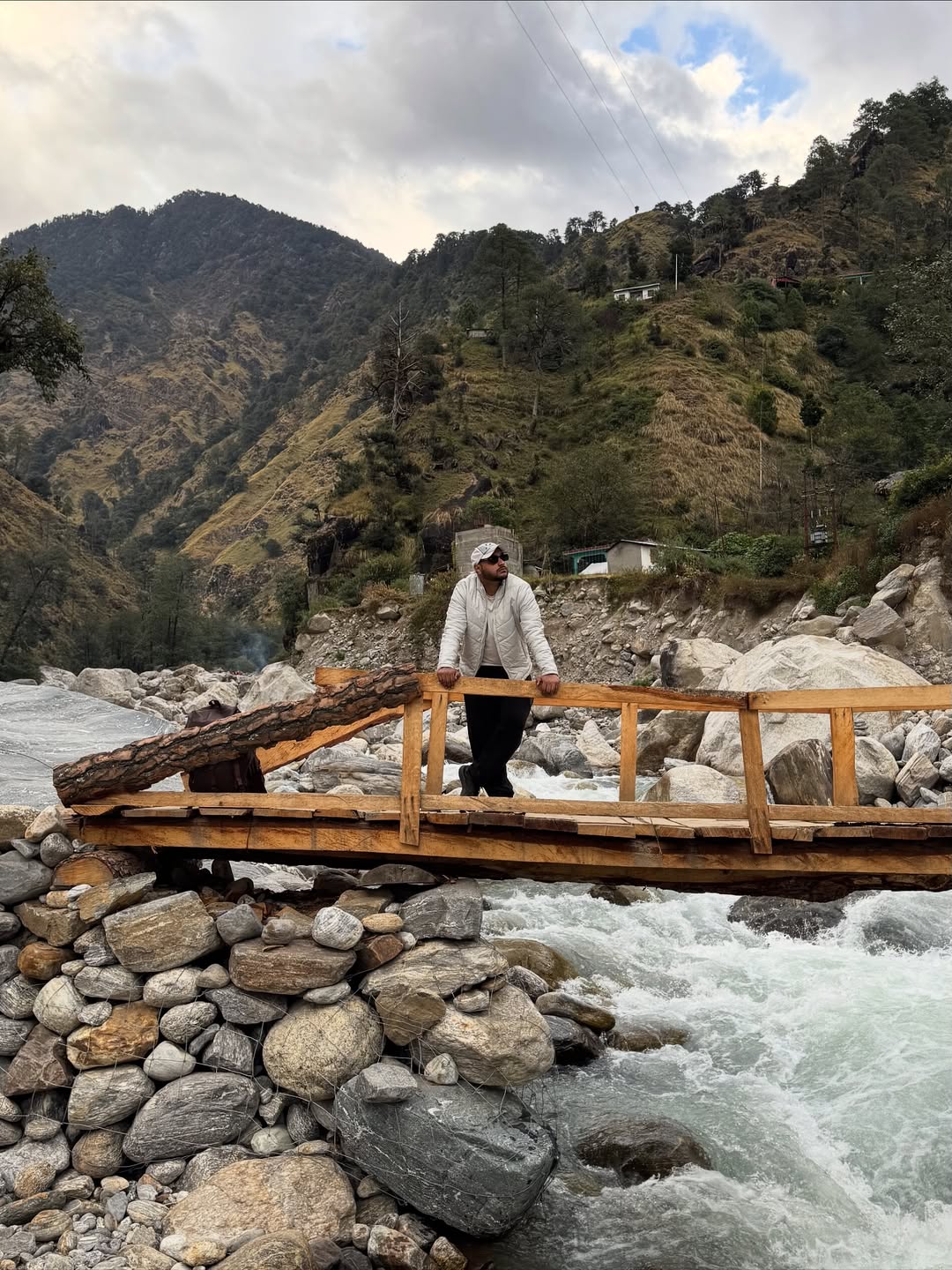
Best Time to Visit Madmaheshwar for Trekking and Darshan
Choosing the best time to visit
Madmaheshwar is essential for a smooth trekking experience, clear mountain views, and comfortable darshan
at the sacred Madhyamaheshwar Temple. Since the temple sits at an altitude of nearly 3,497 meters, the weather
changes significantly through the year, making timing a crucial part of your Madmaheshwar pilgrimage. The most
ideal period to plan the Madmaheshwar trek route is during May–June and September–November, when the climate is
stable and the skies remain crystal clear. These months also offer the best visibility of the mighty Chaukhamba
peaks, a major highlight for visitors capturing Madhyamaheshwar photos.
During summer (May–June), the temperature stays pleasant, and the trails are easier to navigate. This season
welcomes pilgrims from across India, making it a vibrant time to explore the temple and surrounding viewpoints.
You can also enjoy the lush greenery left behind by receding winter snow. Many travelers book a Madhyamaheshwar
tour package during this period for hassle-free stays and guided treks.
The post-monsoon season (September–November) is equally popular. The monsoon rejuvenates the forests, rivers,
and meadows, turning the entire Madhyamaheshwar map region into a spectacular natural retreat. After the rains,
the skies clear up, offering breathtaking panoramic mountain views. This window is considered the best for
photography, nature walks, and peaceful darshan with fewer crowds. The weather stays cool yet comfortable for
trekking, making it perfect for families and beginners too.
Monsoon (July–August), however, is not recommended due to slippery trails, frequent landslides, and
unpredictable weather. Winter (late November–April) brings heavy snowfall, leading to the temple’s closure and
the idol shifting to Ukhimath. During this time, accommodation is minimal, and trekking becomes unsafe.
Whether you’re booking a Madhyamaheshwar tour package from Delhi or planning an independent journey, choosing
the right season ensures safety, enjoyment, and the most rewarding Himalayan experience.

How to Reach Madhyamaheshwar: Road, Trek, and Travel Options
Reaching Madhyamaheshwar Temple involves a combination of road travel and trekking, making it a rewarding
journey for pilgrims and trekkers alike. The temple, part of the revered Panch Kedar Madhyamaheshwar circuit, is
located in a remote Himalayan region where motorable roads end at the peaceful village of Ransi. From here, the
scenic Madmaheshwar trek route begins. Planning your transport route in advance is essential, especially for
those booking a Madhyamaheshwar tour package or traveling from metro cities like Delhi.
To reach Ransi, the nearest major town is Ukhimath, which is well connected by road to Rishikesh, Haridwar, and
Dehradun. Travelers coming from Delhi can opt for a Madhyamaheshwar tour package from Delhi, which usually
includes transport, accommodation, meals, and guided trekking. If you’re traveling independently, buses and
shared taxis operate regularly between Rishikesh and Ukhimath. From Ukhimath, private jeeps and taxis are
available to take you to Ransi via Mansuna and Uniana, offering beautiful views along the way.
Once you reach Ransi, the real adventure begins. The trek to Madmaheshwar is around 16–18 km, passing through
charming villages like Gaundar and beautiful forest trails. The route offers incredible viewpoints, streams, and
photo spots ideal for capturing stunning Madhyamaheshwar photos. Trekkers can refer to a detailed
Madhyamaheshwar map for navigation or hire a local guide for a safer and more informed journey. Guides also
provide valuable insights into the region’s culture, nature, and wildlife.
For those planning a pilgrimage, it’s important to check Madmaheshwar opening dates, darshan timings, and
Madhyamaheshwar weather conditions before starting the journey. Heavy snowfall in winter blocks access, and
worship shifts to Ukhimath. Accommodation options like homestays and lodges are available en route, ensuring a
comfortable journey even for beginners.
Whether you travel by private car, local bus, or pre-booked packages, reaching Madhyamaheshwar is a memorable
blend of spiritual devotion, natural beauty, and Himalayan adventure.

Experience the Spiritual Essence of Madhyamaheshwar Temple
Visiting the Madhyamaheshwar Temple is a deeply spiritual experience that draws pilgrims, nature lovers, and
trekkers from all over India. This sacred temple is one of the Panch Kedar, where Lord Shiva is worshipped in
his mid-torso form, making it a highly revered destination for devotees seeking blessings and peace. Travelers
who opt for a Madhyamaheshwar tour package or a Madhyamaheshwar package Uttarakhand often note that the serene
surroundings and the temple’s divine energy create a sense of calm and introspection that is hard to find
anywhere else.
The temple is perched amidst snow-capped peaks, dense forests, and flowing streams, providing a perfect blend of
spirituality and natural beauty. Trekking to the temple itself is a meditative journey, as the trails pass
through meadows filled with wildflowers, pine and deodar forests, and small Himalayan streams. Each step offers
a chance to reconnect with nature, observe Madhyamaheshwar wildlife / nature, and capture stunning
Madhyamaheshwar photos. The sound of birds, the freshness of the alpine air, and the quiet serenity of the
valleys all enhance the spiritual experience.
The Madhyamaheshwar darshan timings are organized in a way that allows trekkers to plan their day efficiently.
For beginners, joining a Madhyamaheshwar tour package from Delhi or other nearby cities ensures all
logistics—like accommodation, food, and guidance—are handled, allowing them to focus solely on enjoying the trek
and temple visit. The cultural significance of Madhyamaheshwar, with its centuries-old rituals, legends, and
festivals, adds another layer of richness to the journey, making it not only a trekking adventure but also a
pilgrimage.
For those looking to combine spirituality, adventure, and scenic photography, the temple offers the ideal
setting. Standing before the sanctum, surrounded by the majestic Himalayan peaks, visitors often feel a sense of
awe, peace, and fulfillment. Whether it’s the quiet moments of prayer, the picturesque landscapes, or the joy of
completing the trek, the Madhyamaheshwar Temple provides a holistic and memorable experience, making it an
unmissable part of any Madhyamaheshwar tour package or Uttarakhand itinerary.
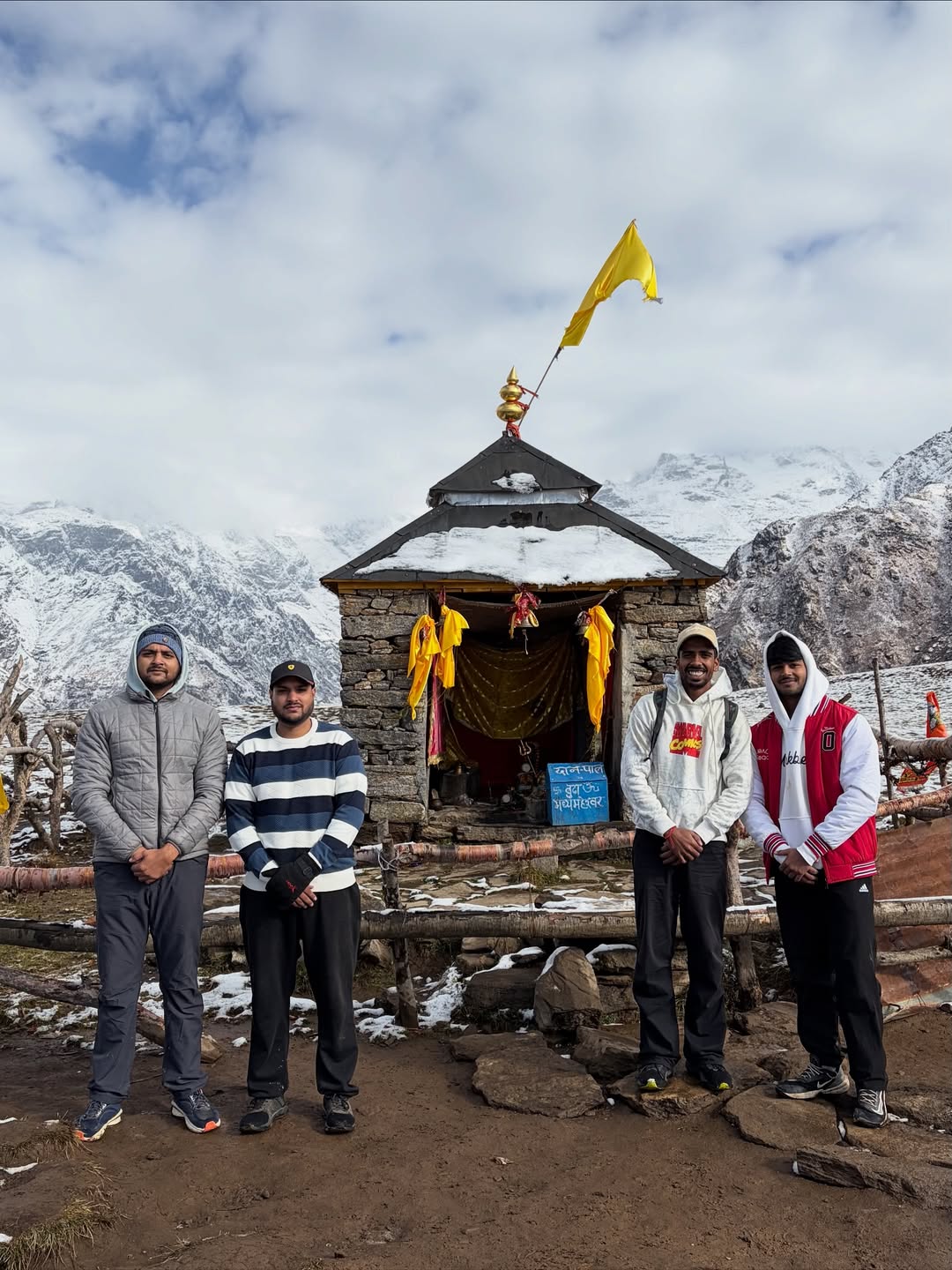
Trekking the Scenic Madmaheshwar Route – A Journey Through Nature
The Madmaheshwar trek route is a captivating journey that combines adventure, spirituality, and nature in a way
few treks can. Starting from Ransi, the trail winds through dense forests, alpine meadows, and flowing streams,
making every step an opportunity to immerse yourself in the pristine Himalayan environment. Choosing a
Madhyamaheshwar tour package or a Madhyamaheshwar package Uttarakhand allows trekkers, especially beginners, to
experience this route without worrying about logistics, making the adventure more enjoyable and safe.
As you ascend, the terrain gradually becomes more challenging, with steeper slopes and rocky paths, but the
mesmerizing views of snow-capped peaks, including Chaukhamba and Kedarnath, keep your spirits high. Along the
way, you might spot rare Himalayan flora and fauna, adding a touch of wildlife adventure to the trek. The
journey also provides numerous spots to pause, take photographs, or simply soak in the peaceful surroundings,
which makes it ideal for travelers interested in Madhyamaheshwar photos or landscape photography.
The trek also offers a glimpse into local culture. Passing through small villages, trekkers can witness
traditional mountain life, local homestays, and interact with friendly locals who add warmth and a sense of
community to the journey. Many tour packages include comfortable accommodations and delicious home-style meals
en route, allowing trekkers to rest, rejuvenate, and bond with fellow travelers.
The Madmaheshwar trek is moderately challenging but highly rewarding. Even beginners can complete it at a
relaxed pace, enjoying the scenic beauty and spiritual energy along the way. With proper preparation, essential
gear, warm clothes, gloves, and trekking shoes, this journey becomes not only an adventure but also a
transformative experience. Those who take the time to trek this route discover why Madhyamaheshwar is considered
one of the most enchanting trekking destinations in Uttarakhand, offering both a spiritual connection and the
thrill of exploring untouched Himalayan landscapes.
Booking a Madhyamaheshwar tour package from Delhi or nearby cities ensures the trek is well-organized, giving
travelers the freedom to focus on the experience rather than logistics, making it an unforgettable adventure.

Madhyamaheshwar Weather Guide: Summer, Monsoon, and Winter Conditions
Understanding the Madhyamaheshwar weather is crucial for anyone planning a trek or pilgrimage to this sacred
Panch Kedar Madhyamaheshwar Temple. Because the temple sits at a high altitude of 3,497 meters, the climate
changes drastically with each season, affecting both trekking difficulty and darshan timings. Weather conditions
directly influence the best time to visit Madmaheshwar, the temple’s accessibility, and overall travel comfort.
Summer (May – June)
Summer is the most popular season for the Madmaheshwar pilgrimage, offering clear skies, moderate temperatures,
and safe trekking conditions. Daytime temperatures remain pleasant, making it ideal for beginners and families.
The trail is fully open, villages en route are active, and trekkers can enjoy breathtaking Madhyamaheshwar
photos
of the Chaukhamba range. Most people book a Madhyamaheshwar tour package during this time to avoid last-minute
rush.
Monsoon (July – August)
Monsoon brings heavy rainfall, slippery paths, and frequent landslides, making it the least recommended season
to visit. While the forests and meadows turn lush green, the Madmaheshwar trek route becomes risky and
unpredictable. Travel delays are common, and darshan becomes challenging due to rain and fog. Trekkers must
stay updated on weather alerts and avoid unnecessary risks during this period.
Post-Monsoon (September – November)
This season is considered one of the best times to visit Madhyamaheshwar. The rains wash the landscape clean,
creating crystal-clear views and vibrant greenery. Temperatures remain cool but comfortable, perfect for
trekking and photography. Those planning from metro cities often choose a Madhyamaheshwar tour package from
Delhi
for convenience during this peak season.
Winter (December – April)
Winter transforms the region into a snowy Himalayan landscape. Heavy snowfall leads to the closure of the
temple,
and the idol is moved to Ukhimath. The trek becomes nearly inaccessible, and accommodation options close for the
season. Winter is ideal only for those seeking snow views from lower villages—not for trekking to the temple.
By understanding the weather patterns, travelers can plan their journey better using a Madhyamaheshwar map,
check Madmaheshwar opening dates, and enjoy a safe and memorable pilgrimage.

Madhyamaheshwar Accommodation Guide: Hotels, Homestays & Night Halt Options
Finding the right Madhyamaheshwar accommodation is an important part of planning your pilgrimage or trekking
journey. Since Madhmaheshwar is a remote Panch Kedar destination located deep in the Himalayas, there are no
hotels or lodges near the Madhyamaheshwar Temple itself. Instead, trekkers stay at villages along the
Madmaheshwar trek route, making advance planning essential—especially during peak season.
Where to Stay During the Madmaheshwar Trek
The primary accommodation points are Ransi, Gaundhar, Bantoli, Nanu, and Madhmaheshwar Base Camp. These villages
offer basic yet comfortable guesthouses, homestays, and GMVN huts. Rooms are simple, usually with shared
washrooms, and food is homemade—ideal for trekkers who want a peaceful Himalayan experience. Staying at local
homestays also supports village families and helps promote sustainable tourism
Accommodation Near the Temple
At the top, near the temple, you will find simple Dharamshala-style rooms, tents, and wooden lodges. These are
ideal for trekkers who want to attend the early morning Madhyamaheshwar darshan or capture sunrise
Madhyamaheshwar photos with the Chaukhamba peaks glowing golden. However, because the number of rooms is
limited, many travelers prefer booking a Madhyamaheshwar tour package that includes accommodation arrangements.
Best Time to Book Stays
During summer and post-monsoon—considered the best time to visit Madhyamaheshwar—accommodation fills up quickly.
It is recommended to pre-book your stay in Ransi or Gaundhar and coordinate further rooms through your guide or
package provider. In winter, when snowfall cuts off the trek route and the Madmaheshwar Temple closes, most
accommodations remain shut.
Tips for Staying in Madhyamaheshwar Region
- Carry cash; digital payment options are limited
- Keep warm clothing even in summer; nights get cold
- Pre-book meals at homestays during peak season
- Expect basic facilities—this region prioritizes natural beauty over luxury
For a smooth experience, many travelers choose a Madhyamaheshwar tour package from Delhi or Dehradun, ensuring all accommodation, meals, and trekking support are handled in advance.

Madmaheshwar Cultural Significance: Rituals, Traditions & Spiritual Beliefs
Madhyamaheshwar Temple holds immense cultural and spiritual significance in Uttarakhand, forming an integral
part of the holy Panch Kedar pilgrimage. This sacred temple is believed to be the place where Lord Shiva’s
mid-torso appeared after he vanished into the earth to avoid the Pandavas. Because of this deep-rooted
mythology, the temple is revered as a symbol of penance, devotion, and divine presence, drawing thousands of
pilgrims each year.
Mythological Importance
According to Hindu legends, after the Kurukshetra war, the Pandavas sought forgiveness from Lord Shiva for the
bloodshed. Shiva, unwilling to forgive them easily, took the form of a bull and disappeared into the ground. His
body parts appeared at different locations in the Himalayas, which together became known as the Panch Kedar
shrines. At Madhmaheshwar, Shiva’s navel and torso emerged, giving the temple unparalleled religious importance.
Daily Rituals & Temple Traditions
The temple follows centuries-old rituals performed by priests from South India, as is the tradition across all
Panch Kedar temples. The morning Madhyamaheshwar darshan is peaceful and serene, while the evening aarti creates
a deeply spiritual atmosphere. The sacred pond, Budha Madhmaheshwar, located slightly above the main temple, is
a major attraction where trekkers capture beautiful Madhyamaheshwar photos framed by snow-clad Chaukhamba peaks.
Festivals & Cultural Heritage
During the summer and post-monsoon seasons—considered the best time to visit Madhyamaheshwar—pilgrims gather for
temple festivals, special poojas, and Shiva rituals. The winter tradition is equally important: when heavy
snowfall begins, the idol of Lord Shiva is ceremonially moved to Ukhimath, where winter worship takes place
until the Madmaheshwar opening dates arrive again.
Why Cultural Significance Matters to Travelers
Understanding the cultural heritage enhances the overall Madhmaheshwar pilgrimage experience. Travelers choosing a Madhmaheshwar tour package from Delhi or other regions often describe the journey as spiritually transformative, combining mythology, nature, and devotion in one unforgettable trek.
If you want to explore more verified information about Madhyamaheshwar—its trek details, temple history, stay options, and updated travel guidelines—you can also check trusted resources like the official Uttarakhand Tourism
