
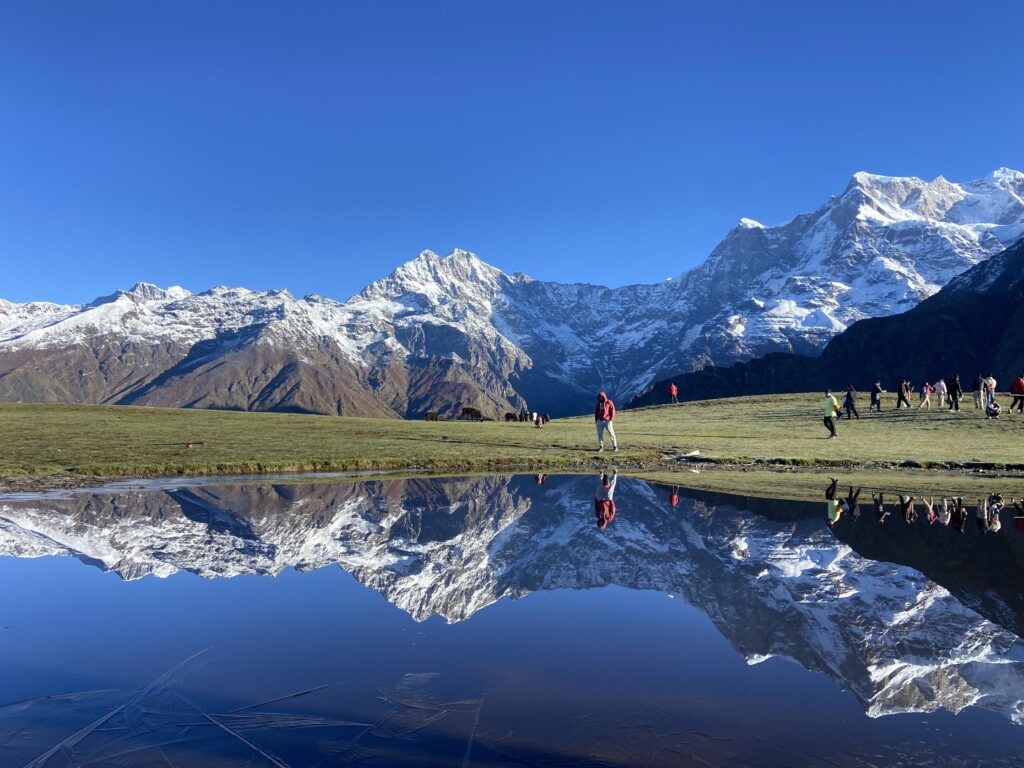
Madhyamaheshwar Temple, also known as Madmaheshwar, is one of the sacred shrines of the Panch Kedar temples in Uttarakhand. Dedicated to Lord Shiva, the temple sits at a serene altitude of 3,497 meters, surrounded by the majestic Chaukhamba peaks and lush alpine meadows. The temple’s spiritual aura, combined with the thrilling Madmaheshwar tour package, attracts thousands of pilgrims and trekkers every year. Whether you're seeking a deep spiritual journey, a scenic Himalayan trek, or a peaceful nature escape, Madhyamaheshwar offers an unforgettable experience. Its untouched beauty, traditional village charm, and rich mythology make it a highlight of the Panch Kedar Madhyamaheshwar pilgrimage. The trek leading to the temple passes through dense forests, flowing streams, and picturesque viewpoints, making it one of the most scenic trekking routes in Uttarakhand.
Mythological Significance of the Madhyamaheshwar Shrine
Madhyamaheshwar Temple holds a remarkable place in the mythology of Uttarakhand and is one of the most revered
shrines among the Panch Kedar temples. Every year, thousands of devotees undertake the Madmaheshwar pilgrimage
to experience the divine energy associated with Lord Shiva. The legend of Madhyamaheshwar dates back to the era
after the Mahabharata war, when the Pandavas sought atonement for the sin of killing their kin. To avoid them,
Lord Shiva took the form of a bull and vanished into the ground at Kedarnath, with different parts of His body
appearing at five different places—forming the Panch Kedar.
The navel (Madhya) of Lord Shiva is believed to have manifested at this sacred spot, giving rise to the name
Madhya-Maheshwar or Madmaheshwar. This deeply spiritual symbolism draws pilgrims from across India seeking inner
peace, blessings, and liberation. The temple’s remote location and serene surroundings further enhance its
mystical aura, making the journey as significant as the destination itself.
This shrine is also associated with ancient sages who meditated in these Himalayan peaks, and many believe that
the region still vibrates with their spiritual energy. Surrounded by dense forests, waterfalls, and pristine
meadows, the environment around Madhyamaheshwar creates a natural sanctuary where devotees feel profoundly
connected to nature and divinity.
The temple architecture, built using local stone and traditional Himalayan design, reflects its ancient
heritage. During the Madmaheshwar opening dates, usually in May, the idol of Lord Shiva is ceremoniously brought
from Ukhimath in a grand procession, marking the beginning of the pilgrimage season. The winter worship
continues in Ukhimath when the temple closes due to heavy snowfall.
For those exploring the Madhyamaheshwar trek route, its mythological significance adds depth to the experience.
The journey isn’t just a trek—it’s a spiritual path revealing the cultural, natural, and religious richness of
the Panch Kedar Madhyamaheshwar Yatra.

Where is Madhyamaheshwar Located? Geography, Altitude & Himalayan Setting
Madhyamaheshwar Temple is located in the remote and pristine Rudraprayag district of Uttarakhand, surrounded by
dense forests, alpine meadows, and the towering Chaukhamba mountain range. Sitting at an impressive
Madhyamaheshwar altitude of about 3,497 meters, the shrine lies deep within the Garhwal Himalayas, accessible
only by a scenic trekking route. Its isolation is one of the reasons the temple has preserved its ancient charm
and spiritual purity.
Geographically, Madhyamaheshwar falls under the Mandal–Gaundar–Ransi trail, which is considered one of the most
beautiful trekking routes in Uttarakhand. The entire region showcases lush biodiversity, with vast stretches of
rhododendron forests, flowing streams, and rich Himalayan wildlife. Trekkers also get to witness sweeping views
of the Chaukhamba, Mandani, and Kali Himal peaks, making the Madmaheshwar trek route an unforgettable visual
experience.
The terrain leading to the temple gradually changes from serene villages to dense forests and finally to
high-altitude meadows. This smooth transition allows trekkers and pilgrims to acclimatize naturally. The remote
setting of the temple makes it a perfect destination for those seeking peace, solitude, and spiritual
rejuvenation.
The shrine's location also holds deep cultural meaning. As one of the sacred Panch Kedar
Madhyamaheshwar sacred sites, it symbolizes a divine presence that blends seamlessly with the purity of the
Himalayan landscape. The untouched natural surroundings not only enhance the spiritual experience but also make
Madhyamaheshwar a paradise for nature lovers, photographers, and adventure seekers. Many visitors stay in small
homestays and lodges near the trek route, allowing them to immerse themselves in local village culture and
traditions.
Its geographical remoteness ensures that the Madmaheshwar pilgrimage remains a true Himalayan experience—raw,
peaceful, and deeply spiritual. Whether you are visiting for devotion, adventure, or nature exploration, the
location of Madhyamaheshwar Temple offers a perfect blend of cultural heritage and natural beauty in the heart
of Uttarakhand.

How to Reach Madhyamaheshwar: Road, Route & Connectivity Guide
Reaching Madhyamaheshwar Temple is an adventure in itself, combining scenic road travel with one of the most
beautiful trekking routes in Uttarakhand. Since there is no direct motorable road to the temple, the journey
involves traveling by road up to Ransi Village, followed by the official Madmaheshwar trek route. This blend of
travel and trekking makes the pilgrimage deeply rewarding for both spiritual seekers and nature lovers.
Most travelers begin their journey from Haridwar, Rishikesh, or Dehradun, all of which have good connectivity
via rail, air, and road. From these cities, you can hire a taxi or take a bus to Ukhimath, the winter seat of
Lord Shiva from the Panch Kedar Madhyamaheshwar tradition. Ukhimath to Ransi is the final motorable stretch and
offers breathtaking views of the Kedarnath and Chopta Valley regions.
Once you reach Ransi, the trekking journey begins. The trek passes through beautiful villages such as Goundar,
Bantoli, Nanu, and Khatara, offering a mix of scenic landscapes, waterfalls, and forest trails. The well-marked
route ensures that even first-time trekkers can comfortably navigate the path. The entire trek is around 16–18
km, depending on the exact trail you follow.
During the pilgrimage months, shared jeeps, taxis, and local transport options are available frequently,
especially from Ukhimath and Rudraprayag. Visitors booking a Madmaheshwar yatra package often get
transportation, meals, accommodation, and guide services included, making the journey more comfortable.
For those planning their visit during peak season, it’s essential to check the Madmaheshwar opening dates,
weather updates, and road conditions, as landslides and heavy rains can temporarily affect connectivity. Despite
being remote, the route to Madhyamaheshwar is one of the most scenic in Uttarakhand, offering a perfect blend of
spirituality, adventure, and Himalayan beauty.

Madhyamaheshwar Trek Overview: Distance, Difficulty & Trail Experience
The Madhyamaheshwar trek is one of the most rewarding Himalayan trails, blending spirituality, natural beauty,
and cultural richness. Considered moderately difficult, the trek is ideal for beginners with good fitness levels
as well as experienced trekkers. Starting from Ransi Village, the official Madmaheshwar trek route spans
approximately 16–18 km, depending on the trail variation you choose. The route is well-established and
frequently used during the Madmaheshwar pilgrimage season, making it safe and easy to navigate.
The trail begins with gentle ascents through remote Himalayan villages like Goundar, followed by dense forest
sections filled with rhododendron, oak, and deodar trees. As you move further, the landscape gradually opens
into meadows and streams, offering some of the best nature views in Uttarakhand. The stretch between Bantoli and
Nanu is a bit steep, but the stunning views of waterfalls, wooden bridges, and mountain valleys make the climb
worth it. From Nanu onward, the trail becomes more scenic, with the Chaukhamba peaks coming into sight.
Trekkers often complete the route in two days, stopping overnight at villages like Bantoli or Nanu, though some
fit trekkers complete it in a single day. The altitude gradually increases up to the Madhyamaheshwar altitude of
3,497 meters, making acclimatization smooth and comfortable.
The trek offers numerous scenic spots, including the famous Budha Madhyamaheshwar viewpoint, where you can
witness awe-inspiring sunrises and panoramic views of the Chaukhamba massif. Nature lovers can also spot
Himalayan wildlife, dense forest biodiversity, and stunning alpine flora along the way.
Overall, the Madhyamaheshwar trek perfectly blends adventure and devotion. Whether you're visiting for religious
reasons, trekking passion, or to capture breathtaking Madhyamaheshwar photos, the trekking experience becomes
unforgettable with every step through the enchanting Garhwal Himalayas.

Best Time to Visit Madhyamaheshwar Temple
• The best
time to visit Madmaheshwar is between May and early November, which aligns with the official
Madmaheshwar opening dates.
• Weather stays pleasant, trekking trails remain safe, and the Himalayan views are crystal clear.
• Ideal period for pilgrims, trekkers, and travelers booking Madhyamaheshwar tour packages.
Summer (May to June) – Most Recommended
• Perfect season for the Madmaheshwar pilgrimage and trekking.
• Comfortable temperature range:10°C–20°C.
• Clear skies provide outstanding views of the Chaukhamba peaks.
• The trek route stays dry, safe, and beginner-friendly.
Monsoon (July to September) – Lush but Challenging
• The Madhyamaheshwar trek route becomes green, fresh, and scenic.
• Higher chances of landslides, slippery trails, and travel delays.
• Best suited for experienced trekkers only.
• Always check weather forecasts and road updates before planning.
Autumn (Late September to Early November) – Best for Photography
• Cool, stable climate with excellent peak visibility.
• Ideal for capturing stunning Madhyamaheshwar photos.
• Post-monsoon freshness enhances trail beauty.
• Less crowded, making it perfect for peaceful trekking.
Winter (November to April) – Temple Closed
• Heavy snowfall blocks the Madhyamaheshwar altitude region.
• The idol shifts to Ukhimath for winter worship.
• Trekking becomes impossible due to deep snow and extreme cold.
• Not suitable for any travel or pilgrimage.

Festivals and Cultural Traditions at Madhyamaheshwar
Madhyamaheshwar is not just a spiritual destination; it is also a living tapestry of culture, traditions, and
Himalayan heritage. The villages surrounding the temple—mainly Ransi, Gaundhar, Bantoli, and Uniana—play a vital
role in preserving centuries-old customs that revolve around devotion to Lord Shiva. Every festival celebrated
here reflects a deep bond between nature, divinity, and community life.
One of the most important celebrations at Madhyamaheshwar is Mahashivratri, a festival dedicated to Lord Shiva.
On this day, pilgrims and villagers gather at the temple before dawn, offering prayers, milk, and bel leaves to
the sacred lingam. The atmosphere transforms into a vibrant spiritual fair, filled with local prayers, mantra
chanting, and traditional drum beats that create a powerful devotional energy throughout the valley. The temple
priest performs special rituals while the villagers participate in night-long bhajans and kirtans, making the
entire region glow with divine devotion.
Another culturally significant tradition is Jaagar, an ancient folk ritual unique to Uttarakhand. During Jaagar,
villagers sing soulful folk songs accompanied by traditional instruments to invoke local deities and ancestral
spirits. This ritual reflects the deep-rooted belief system of the Garhwali people, where nature and spiritual
forces are worshipped with equal reverence. Tourists visiting during this time get a rare opportunity to witness
the mystical side of Himalayan culture.
The region also celebrates Nanda Devi Raj Jaat, a grand pilgrimage that occurs once every 12 years. Although the
main yatra route is different, villagers from Madhyamaheshwar actively participate and carry their sacred
traditions forward through dance, music, and storytelling.
What makes these cultural practices truly special is the simplicity and warmth of the local community. Visitors
are often welcomed with traditional Garhwali food, folk dance, and heartfelt hospitality. Experiencing these
festivals adds a deeper dimension to your Madhyamaheshwar journey, allowing you to connect not only with the
temple’s divine essence but also with the cultural spirit of Uttarakhand.

Accommodation Options on the Madhyamaheshwar Trek
Accommodation along the Madhyamaheshwar trek route is simple, traditional, and closely connected with the
lifestyle of the Himalayan villages. Since the region lies in a remote part of the Rudraprayag district,
visitors should not expect luxury hotels but instead look forward to homely hospitality, clean stays, and
comforting Garhwali food. The journey usually begins from Ransi Village, the last motorable point for the
Madmaheshwar trek. Ransi offers several guesthouses and homestays with basic rooms, warm bedding, and wholesome
meals, making it a convenient and comfortable stop before starting the ascent.
As trekkers move ahead toward Gaundhar and Bantoli, the accommodation becomes more rustic but equally welcoming.
These villages have family-run homestays where locals provide simple wooden rooms, hot meals, and a safe
environment for travelers. Staying in these mid-route villages offers an authentic mountain experience, allowing
trekkers to interact with local residents, understand their culture, and enjoy freshly made Garhwali dishes like
mandua roti, dal, and seasonal vegetables. These accommodations are budget-friendly and perfect for
acclimatizing before the steeper sections of the trail.
Near the Madhyamaheshwar Temple, accommodation primarily includes dharamshalas, basic lodges, and a few small
guesthouses managed by locals. These options tend to fill quickly during peak season—especially between May–June
and September–October—so arriving early helps secure a room. Facilities are minimal but adequate for pilgrims
and trekkers seeking a spiritual retreat. During winter, especially after heavy snowfall, most villagers shift
to lower altitudes, reducing available accommodation near the temple. At this time, staying at Gaundhar or
Bantoli becomes the practical choice.
Overall, accommodation on the Madmaheshwar route emphasizes simplicity, warmth, and cultural authenticity.
Travelers who embrace these local stays often describe them as the highlight of their trek, thanks to the
genuine hospitality and peaceful Himalayan environment. These stays not only support the community but also
enhance the spiritual and natural essence of the Madhyamaheshwar pilgrimage.

Flora, Fauna & Natural Beauty Around Madhyamaheshwar
The Madhyamaheshwar region is a paradise for nature lovers, offering an untouched Himalayan environment filled
with rare flora, vibrant fauna, and breathtaking landscapes. The entire trek route—from Ransi to Bantoli,
Gaundhar, and finally the temple—is lined with dense forests, lush meadows, and crystal-clear streams, making it
one of the most scenic sections of the Panch Kedar pilgrimage. As you ascend higher, the surroundings gradually
change from mixed oak forests to rhododendron groves, alpine pastures, and rocky Himalayan ridges. During spring
and early summer, the trail bursts with blooming flowers, especially bright red buransh (rhododendron), which is
also used locally to prepare refreshing juice.
Wildlife is another remarkable highlight of the Madmaheshwar trek. The forests in this region fall under the
Kedarnath Wildlife Sanctuary, home to species such as Himalayan monal, musk deer, bharal, langurs, and even the
elusive snow leopard at much higher elevations. Birdwatchers particularly enjoy this route, as the sanctuary
attracts more than 200 bird species, including pheasants, magpies, and colourful Himalayan finches. The peaceful
chirping of birds, the sight of butterflies along waterfalls, and the rustling of trees create an immersive
natural experience throughout the journey.
The natural beauty reaches its peak at Budha Madhyamaheshwar, a high-altitude meadow located beyond the main
temple. This viewpoint offers one of the most extraordinary panoramic views of the Himalayan giants—Chaukhamba,
Mandani, Neelkanth, Panchachuli, and Kedarnath peaks. At sunrise or sunset, the snow-covered mountains glow in
shades of gold and orange, creating unforgettable photographic moments. Many trekkers consider this viewpoint
the highlight of the entire Madmaheshwar yatra.
Whether you are a photographer, wildlife enthusiast, or simply someone seeking peace in nature, the biodiversity
and landscapes around Madhyamaheshwar provide a refreshing escape from the bustling world. The trek allows you
to witness the untouched beauty of Uttarakhand’s highlands while experiencing the spiritual charm of the Panch
Kedar trail.
Essential Travel Tips for the Madhyamaheshwar Yatra
Preparing well for the Madhyamaheshwar yatra is crucial to ensure a smooth, safe, and enjoyable pilgrimage.
Since the trek route passes through remote Himalayan terrain, travelers must pay attention to weather, fitness,
packing essentials, and local guidelines. One of the most important tips is to check the Madhyamaheshwar temple
opening dates and Madmaheshwar weather conditions before planning your journey. Summer (May–June) and
post-monsoon (September–October) offer the best trekking climate with stable temperatures and clear skies.
Winter months can bring heavy snowfall, making certain sections slippery or inaccessible.
A moderate level of fitness is recommended for the trek, as the route from Ransi to Madhyamaheshwar involves
long walking hours and steep ascents. Beginners can prepare by practicing regular walking, stair climbing, and
basic cardio exercises at least two weeks before the trip. Wearing comfortable trekking shoes with good grip is
essential, especially near Bantoli where the trail becomes steeper. Carrying a lightweight backpack with layers
of clothing, rain protection, a first-aid kit, powerbank, and refillable water bottle will make your journey
easier and more comfortable.
Accommodation along the route is basic, so it’s helpful to carry essentials like personal toiletries, quick-dry
towels, and a warm jacket even during summer. Since network connectivity is limited after Ransi, informing your
family in advance and downloading offline maps or the Madhyamaheshwar trek route map is recommended.
Respecting local customs and nature is equally important. Avoid littering, stay on marked trails, and do not
disturb wildlife—these areas fall under the Kedarnath Wildlife Sanctuary. Interact politely with villagers and
support local homestays whenever possible to contribute to sustainable tourism. If you are booking a
Madmaheshwar yatra package, choose a reliable operator who provides experienced guides and proper trekking
support.
Following these simple yet important travel tips ensures a memorable and spiritually enriching journey to the
sacred Madhyamaheshwar Temple.
