
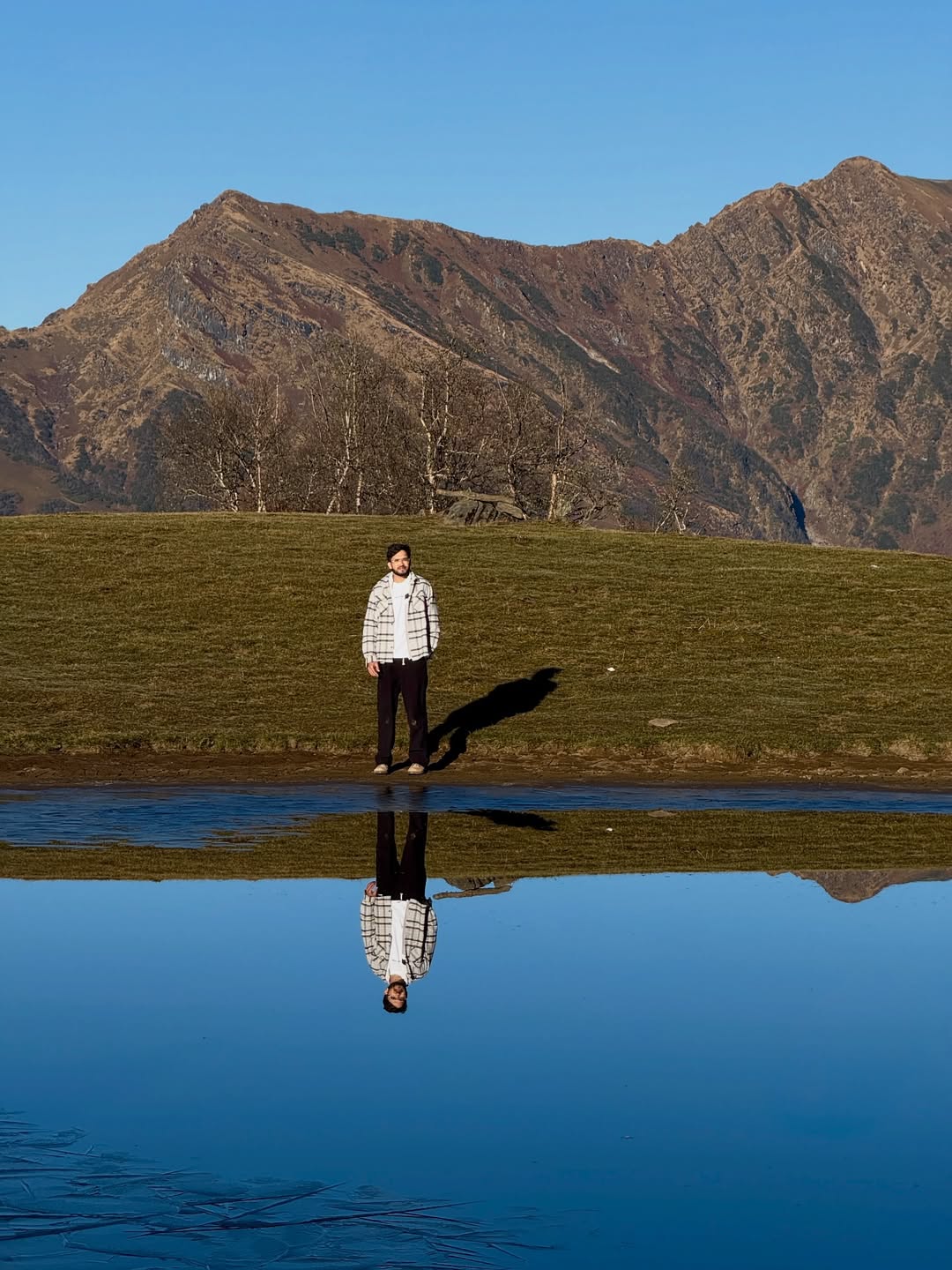
Madhyamaheshwar trek, located in the Rudraprayag district of Uttarakhand at an altitude of around 3,497 meters, is more than just a scenic Himalayan trail—it is a cultural journey shaped by the soulful Garhwali villages that surround the Madhmaheshwar route. As trekkers make their way toward the sacred Madhmaheshwar temple, they experience the warmth of mountain families who preserve centuries-old traditions, folk stories, and sustainable ways of living. These high-altitude settlements add depth and authenticity to every Madhyamaheshwar travel guide, offering insights into local food, wooden architecture, festivals, and community life. Whether you plan your journey through a Madhmaheshwar tour package or travel independently from Delhi, the cultural richness of Uttarakhand’s remote villages greatly enhances the overall trekking experience.
An Immersive Cultural Journey Through the Himalayan Villages
Madhyamaheshwar trek is not just a scenic trail—it is a cultural experience that connects trekkers to the heart of Uttarakhand’s mountain life. As you move along the Madhmaheshwar route, the journey takes you through peaceful villages like Ransi, Gaundar, Uniyana, and Bantoli, each showcasing a blend of Garhwali hospitality, traditional architecture, and rich local customs. These villages, located in the Rudraprayag district at altitudes ranging from 1,800 to 3,000 meters, give a unique glimpse into the lifestyle of people who live close to nature and continue age-old traditions.
Trekkers following a Madhyamaheshwar trek itinerary often find that the cultural interactions are just as rewarding as the landscapes. Villagers welcome travelers warmly, offering homestays, simple organic meals, and stories of the sacred Madhmaheshwar temple, which is central to the region’s spiritual identity. Many families still practice sustainable farming, wool weaving, and cattle rearing—activities that reflect the deep connection between the locals and their environment.
The cultural charm becomes even more vivid during festival seasons. Trekkers may witness folk songs, traditional dances, and rituals that honor the gods of the Himalayas. Such experiences enrich the journey and are often highlighted in Madhmaheshwar tour packages for visitors who want to understand the region beyond the trek.
Whether you start your journey from Delhi or nearby towns, the warmth of the people, the calm village rhythm, and the preserved Garhwali heritage make this trail unforgettable. Exploring these cultural gems along the Madhyamaheshwar trek creates a deeper bond with the land, transforming a simple mountain walk into a meaningful Himalayan exploration.
Traditional Garhwali Lifestyle in Mountain Villages
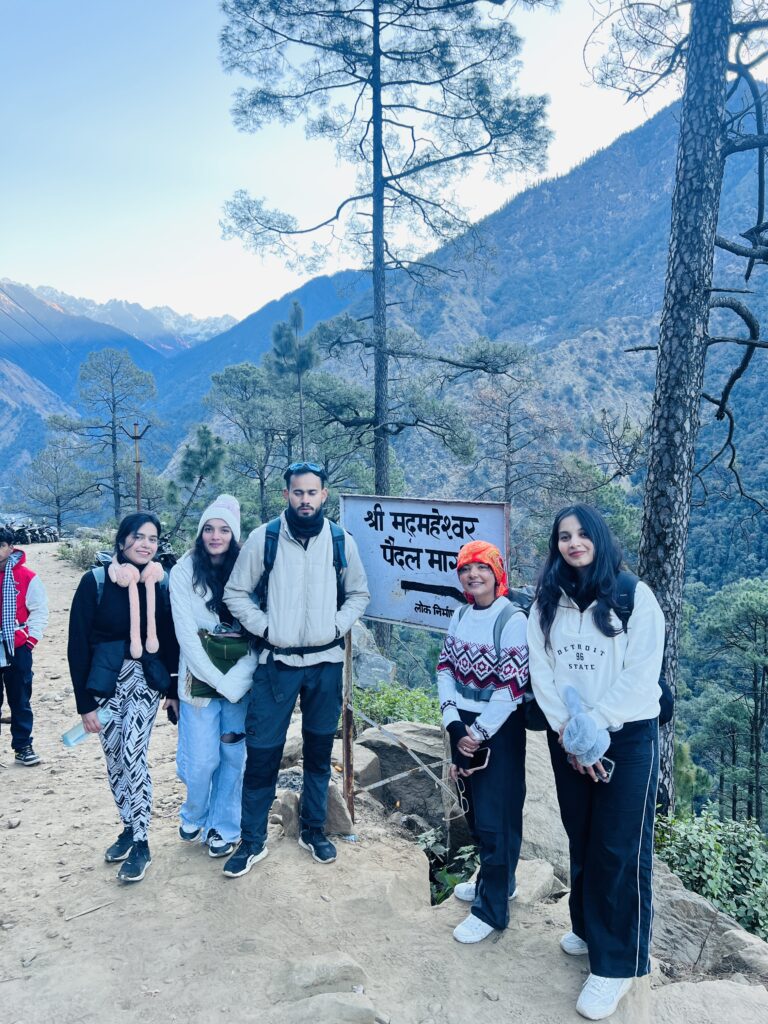
Along the Madhyamaheshwar trek, trekkers encounter villages where the traditional Garhwali lifestyle is alive and vibrant. Families live in stone-and-wood homes built to withstand the high-altitude climate, often perched on terraced slopes overlooking lush valleys. Daily life revolves around farming, cattle rearing, and small-scale crafts, reflecting a harmony with nature that has been preserved for generations. These villages not only offer a glimpse of local life but also serve as resting points along the Madhmaheshwar route, enriching the trekking experience.
Trekkers following a Madhyamaheshwar trek itinerary often find that the interaction with villagers is a highlight of the journey. Visitors are welcomed with homemade meals, warm tea, and stories about the sacred Madhmaheshwar temple and surrounding peaks. This direct connection with the locals adds authenticity to any Madhmaheshwar travel guide and gives travelers an understanding of Uttarakhand’s mountain culture. The villagers’ simplicity, devotion, and resourcefulness create an environment of peace that complements the natural beauty of the trek.
Festivals, rituals, and local customs further enhance the cultural experience. Trekkers may witness folk songs, traditional dances, or seasonal celebrations that showcase the region’s heritage. These experiences are often included in Madhmaheshwar tour packages, allowing visitors to engage meaningfully with the community. Whether you are on a self-planned trek from Delhi or using a guided Madhmaheshwar package, exploring these mountain villages provides a unique opportunity to understand how culture and nature coexist at high altitudes.
From observing daily routines to tasting local cuisine, the villages along the Madhyamaheshwar trek offer a living portrait of Himalayan life. This blend of adventure, spirituality, and cultural immersion makes the trek not only a journey through stunning landscapes but also a walk through Uttarakhand’s rich traditions.

Local Stories, Rituals, and Folklore Along the Madhyamaheshwar Trek
Madhyamaheshwar trek is not only a journey through the Himalayas but also a walk through centuries of rich local folklore and spiritual traditions. As trekkers move along the Madhmaheshwar route, they encounter stories passed down through generations that speak of gods, saints, and legendary events linked to the sacred Madhmaheshwar temple. These tales are often shared by villagers in Ransi, Gaundar, and other hamlets, adding a mystical charm to the trek.
Rituals and customs are an integral part of daily life in these high-altitude villages. From morning prayers at small local shrines to seasonal celebrations that honor the mountains and rivers, trekkers get a firsthand view of Uttarakhand’s spiritual heritage. Following a structured Madhyamaheshwar trek itinerary allows visitors to plan their stay around such cultural events, making the journey even more memorable. Local festivals often feature folk songs, traditional dances, and communal feasts, giving outsiders a rare opportunity to immerse themselves in authentic Garhwali traditions.
Villagers also share tips on navigating the terrain, insights into Madhyamaheshwar weather, and guidance on optional side treks like Budha Madhyamaheshwar trek. These interactions enrich the trekking experience and are often highlighted in detailed Madhyamaheshwar travel guides and tour packages. Trekkers who choose a Madhmaheshwar package or travel independently from Delhi gain not only breathtaking views but also an understanding of how culture, spirituality, and nature intertwine in these Himalayan communities.
Experiencing local folklore, rituals, and stories transforms a simple trek into a cultural exploration. Every village along the Madhyamaheshwar route has its own narrative, making each stop a unique encounter with Uttarakhand’s heritage and the timeless spirit of the Himalayas.

How Madhyamaheshwar Weather Shapes Village Life
The high-altitude villages along the Madhyamaheshwar trek are heavily influenced by the region’s unique weather patterns. From heavy monsoon rains to crisp winter chills, the Madhyamaheshwar weather affects farming schedules, daily routines, and even trekking conditions. Villagers in Ransi, Gaundar, and Bantoli have adapted to these changes over generations, using traditional knowledge to ensure safety, food supply, and comfort in this remote Himalayan region.
Trekkers following a Madhyamaheshwar trek itinerary quickly notice how the weather impacts the pace of travel and village interactions. During clear months, travelers can explore local homestays, interact with families, and observe traditional farming techniques. In contrast, rainy or snowy periods require extra caution on trails, but they also bring a serene beauty to the landscape, with misty forests, gushing streams, and snow-capped peaks surrounding the villages. Knowledge of the weather is particularly important for planning a Madhmaheshwar package or an independent trek from Delhi.
Seasonal variations also determine cultural activities in these mountain communities. Festivals, rituals, and local gatherings are often scheduled around favorable weather conditions, giving trekkers a chance to witness authentic Garhwali traditions. Observing how villagers manage resources, protect livestock, and maintain homes through harsh winters adds depth to any Madhyamaheshwar travel guide, showing the resilience and harmony of Himalayan life.
Understanding Madhyamaheshwar weather not only ensures a safer trekking experience but also enhances appreciation for the villages’ way of life. The combination of natural beauty, cultural heritage, and weather adaptation makes each stop along the Madhyamaheshwar route a fascinating learning opportunity for trekkers and spiritual travelers alike.

Best Time to Visit Madhmaheshwar for Cultural Interaction
Planning a trek along the Madhyamaheshwar route is not just about scenic views but also about experiencing the vibrant local culture. Choosing the best time to visit Madhmaheshwar ensures that trekkers can enjoy pleasant weather, accessible trails, and engaging village interactions. Spring and early autumn are particularly ideal, with clear skies, blooming meadows, and festivals that showcase Garhwali traditions in full swing.
Villages like Ransi, Gaundar, and Bantoli are at their liveliest during these periods. Travelers can witness locals performing seasonal rituals, preparing traditional foods, and celebrating festivals that have been preserved for generations. Following a well-structured Madhyamaheshwar trek itinerary during this time allows trekkers to synchronize their journey with cultural events, making the experience far more immersive. Home-stays offer fresh meals and a chance to interact with families, giving visitors a glimpse of authentic mountain life.
The timing also influences optional side treks such as the Budha Madhyamaheshwar trek, where clear weather ensures panoramic Himalayan views and safer trails. Tourists using a Madhmaheshwar package or traveling independently from Delhi can plan their journey efficiently, making the most of favorable conditions. Even the Madhyamaheshwar weather during spring and autumn enhances trekking comfort and village exploration without the challenges of heavy snow or monsoon rains.
By visiting at the best time, trekkers not only enjoy scenic landscapes but also experience the warmth of village hospitality, folk music, and traditional lifestyles. Whether it’s a solo adventure or a group journey, aligning your trek with the right season ensures a rich blend of cultural insight, spiritual reflection at the Madhmaheshwar temple, and memorable Himalayan experiences.

Exploring Village Hospitality and Homestays on the Madhmaheshwar Route
One of the most memorable aspects of the Madhyamaheshwar trek is experiencing the genuine hospitality of the villages along the route. From Ransi to Gaundar and beyond, travelers are welcomed into simple homestays that provide warmth, comfort, and a taste of local life. These accommodations offer trekkers the chance to rest after a long day, enjoy home-cooked meals, and interact with families who have lived in the high-altitude region for generations.
Trekkers following a Madhyamaheshwar trek itinerary find these homestays invaluable for both relaxation and cultural learning. Villagers often share stories about the Madhmaheshwar temple, local festivals, and the history of their communities. Staying in these mountain homes also helps travelers understand how residents adapt to Madhyamaheshwar weather, manage resources, and maintain traditions amidst the challenges of remote Himalayan life.
Homestays and small guesthouses are often included in Madhmaheshwar packages, ensuring a hassle-free experience for trekkers coming from Delhi or nearby regions. For independent travelers, planning stays in advance is recommended, especially during peak trekking seasons, which coincide with the best time to visit Madhmaheshwar. Optional side treks, such as the Budha Madhyamaheshwar trek, are also easier to attempt when homestays provide a convenient base.
Beyond basic lodging, village hospitality includes guidance on trekking routes, local cuisine experiences, and opportunities to participate in cultural rituals. This authentic interaction not only enriches the trekking experience but also leaves travelers with a deeper appreciation for the lifestyle and values of the Garhwali communities along the Madhmaheshwar route. Ultimately, the warmth and openness of these villages make the trek truly memorable and culturally immersive.

Local Food, Farming Practices, and Mountain Living Traditions
The Madhyamaheshwar trek is not only a feast for the eyes but also an opportunity to explore the unique culinary and farming traditions of the Garhwali villages along the route. Families in villages like Ransi, Gaundar, and Uniyana grow organic vegetables, maintain small livestock, and prepare traditional meals using locally sourced ingredients. Travelers can enjoy simple yet wholesome dishes that reflect the sustainable lifestyle and deep connection to nature that defines life near the Madhmaheshwar temple.
Observing local farming practices offers insight into how villagers adapt to the high-altitude terrain and the challenges posed by Madhyamaheshwar weather. Terraced fields, irrigation techniques, and seasonal crop rotations are all integral to the region’s survival and provide trekkers with a hands-on understanding of mountain life. Many trekkers following a Madhyamaheshwar trek itinerary take time to interact with farmers, learning about traditional methods of cultivation and livestock care, which have been preserved for generations.
Food is an essential aspect of cultural interaction along the trek. Homestays and village eateries often offer meals made from fresh ingredients, including lentils, rice, seasonal vegetables, and locally made dairy products. Trekkers using a Madhmaheshwar package or traveling independently from Delhi can savor these dishes while experiencing the warmth of village hospitality. Optional side treks, like the Budha Madhyamaheshwar trek, also provide opportunities to taste different local specialties prepared by remote communities along the way.
By exploring local food, farming, and mountain traditions, trekkers gain a deeper appreciation for the Garhwali way of life. This cultural immersion, combined with the breathtaking landscapes and spiritual significance of the Madhyamaheshwar route, makes the trek a truly enriching Himalayan experience that blends adventure, learning, and authenticity.

Festivals, Rituals, and Spiritual Celebrations in Villages
The villages along the Madhyamaheshwar trek offer trekkers an immersive experience in local festivals, rituals, and spiritual celebrations. From Ransi to Gaundar and Bantoli, residents celebrate seasonal festivals that reflect their deep connection to nature, the mountains, and the sacred Madhmaheshwar temple. These events are not only cultural highlights but also provide trekkers with the opportunity to witness centuries-old traditions preserved by the Garhwali communities.
Following a well-structured Madhyamaheshwar trek itinerary allows visitors to align their journey with local festivities. Trekkers can observe folk dances, traditional music, and religious ceremonies that are often conducted in village courtyards or small temples. Seasonal rituals, such as offerings to mountain deities and communal prayers, showcase the spiritual side of daily life in these high-altitude settlements and highlight how locals harmoniously blend devotion with everyday work and mountain survival.
Travelers using a Madhmaheshwar package or exploring independently from Delhi can participate or respectfully observe these cultural moments, gaining a deeper understanding of Uttarakhand’s rich heritage. Even optional side treks like the Budha Madhyamaheshwar trek offer chances to see smaller, more remote celebrations unique to isolated communities. These experiences also help trekkers appreciate how villagers adapt to Madhyamaheshwar weather and maintain traditions despite challenging conditions.
Engaging with festivals, rituals, and spiritual celebrations along the Madhyamaheshwar route transforms a trekking journey into a meaningful cultural exploration. The combination of breathtaking landscapes, local hospitality, and spiritual vibrancy makes this trek an enriching Himalayan adventure, connecting visitors not only to nature but also to the living traditions of Uttarakhand’s mountain communities.

How to Reach Madhmaheshwar and Connect with Local Villages
Planning your journey to the Madhyamaheshwar trek involves understanding the best routes, transportation options, and village access along the way. Trekkers traveling Madhmaheshwar from Delhican first reach Haridwar or Rishikesh via train or flight. From there, shared jeeps, taxis, or private vehicles take travelers to Ransi or Ukhimath, which serve as base points for the trek. This ensures a smoother start for anyone following a Madhyamaheshwar trek itinerary.
The villages along the route, including Ransi, Gaundar, and Uniyana, are well-connected through footpaths and small trails. Staying in these villages allows trekkers to experience authentic Garhwali hospitality, taste traditional meals, and interact with families who maintain age-old practices. Many trekkers opt for a Madhmaheshwar package, which includes transport, meals, and homestays, making it easier to explore both the trek and village culture without logistical stress.
Optional side treks, such as the Budha Madhyamaheshwar trek, are accessible from key village points, providing panoramic views and off-the-beaten-path experiences. Villagers also offer guidance on navigating the terrain safely and understanding seasonal Madhyamaheshwar weather, ensuring trekkers enjoy a safe and immersive journey.
By planning Madhmaheshwar from Delhi, trekkers can connect with the villages along the way, experience local culture, and enjoy the spiritual ambiance of the Madhmaheshwar temple, making the journey both meaningful and memorable.
Why Choosing a Madhmaheshwar Package Enhances Your Trek Experience
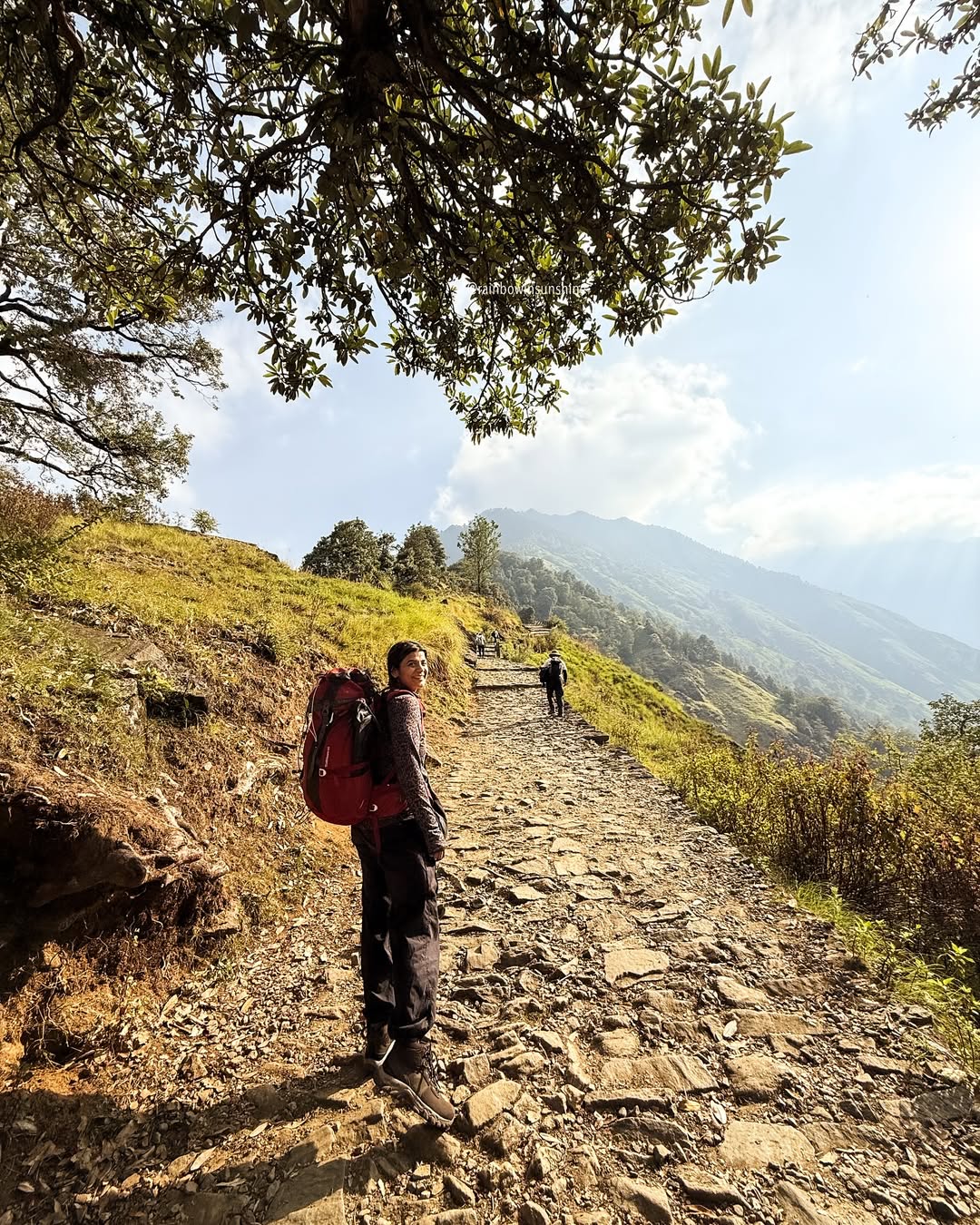
Opting for a Madhmaheshwar package from Delhitransforms a standard trek into a seamless and culturally enriching adventure. These packages cover transportation, accommodation in village homestays, meals, and guidance along the Madhyamaheshwar trek itinerary. They are ideal for travelers wanting to experience the scenic route, local culture, and spiritual highlights without logistical stress.
Packages often include visits to cultural spots and optional side treks like the Budha Madhyamaheshwar trek, allowing trekkers to explore hidden meadows and panoramic viewpoints. Local guides provide insights into Madhyamaheshwar weather, village life, and traditions, making the journey more immersive.
- Transport from Delhi to Madhmaheshwar is organized for convenience.
- Homestays in Ransi, Gaundar, and Uniyana offer authentic village experiences.
- Meals and snacks are arranged according to local dietary practices.
- Guides provide information on the Madhmaheshwar templeand cultural practices.
- Optional side treks like Budha Madhyamaheshwar are included for adventure seekers.
- Packages ensure safety and support during variable Madhyamaheshwar weatherconditions.
Choosing a Madhmaheshwar package from Delhi helps trekkers focus on the experience—enjoying serene Himalayan landscapes, engaging with local communities, and exploring spiritual and natural highlights along the Madhyamaheshwar route ,if your are planning for visitng Madhmaheshwar and wanted to know more in detailed your can check Madhmaheshwar travel guide.