

Written by Ashutosh Sharma – Bareilly-based trekker and Uttarakhand explorer with 15+ years of Himalayan trekking experience. I personally trekked Kedarkantha in December 2025, experiencing fresh snow on the summit, a frozen Juda ka Talab, and a magical sunrise over the peaks. This 2026 guide is based on my trek, recent snowfall updates (Jan 23–24, 2026), and reliable trekking sources like Indiahikes, TrekTheHimalayas, eUttaranchal, and trekker reports to provide accurate, people-first advice.
Kedarkantha Trek 2026 is one of the most popular Himalayan winter adventures, especially for trekkers starting their journey from Delhi. Known for its well-defined trails, heavy snowfall, and beginner-friendly summit climb, the Kedarkantha trek from Delhi offers a perfect mix of accessibility and high-altitude thrill. Located in Uttarakhand’s Garhwal Himalayas, this snow trek reaches an altitude of 3,800 m (12,500 ft) and is famous for dense pine forests, the frozen Juda ka Talab, and breathtaking 360-degree summit views.
What makes the Kedarkantha trek 2026 special is the excellent snow conditions reported in January, which transform the entire trail into a true winter wonderland. Whether you are planning a Kedarkantha snow trek, searching for a Kedarkantha trek package from Delhi, or looking for a safe Kedarkantha trek for beginners, this guide provides complete information on the best time to visit, itinerary, trek cost, snowfall updates, fitness preparation, and safety tips. Easily accessible from Delhi within a short travel window, Kedarkantha remains one of the best winter treks in India for first-time snow trekkers.
Why Choose Kedarkantha Trek in 2026?
Kedarkantha Trek continues to be one of the most recommended winter treks in India, and 2026 is an excellent year to experience it. With consistent snowfall, improved base camp facilities, and better winter safety measures, the Kedarkantha snow trek offers both adventure and comfort. For trekkers travelling from the capital, the Kedarkantha trek from Delhi is convenient, affordable, and fits perfectly into a 6-day schedule.
One of the biggest reasons to choose the Kedarkantha trek in winter is the guaranteed snow experience from December to April. January 2026 has already seen heavy snowfall, covering the forests, campsites, and summit in thick snow. The trek is ideal for beginners because it does not involve technical climbing, yet the summit push feels rewarding.
- Reliable snowfall from December to April, making it a true winter snow trek
- Beginner-friendly trail with no technical climbing required
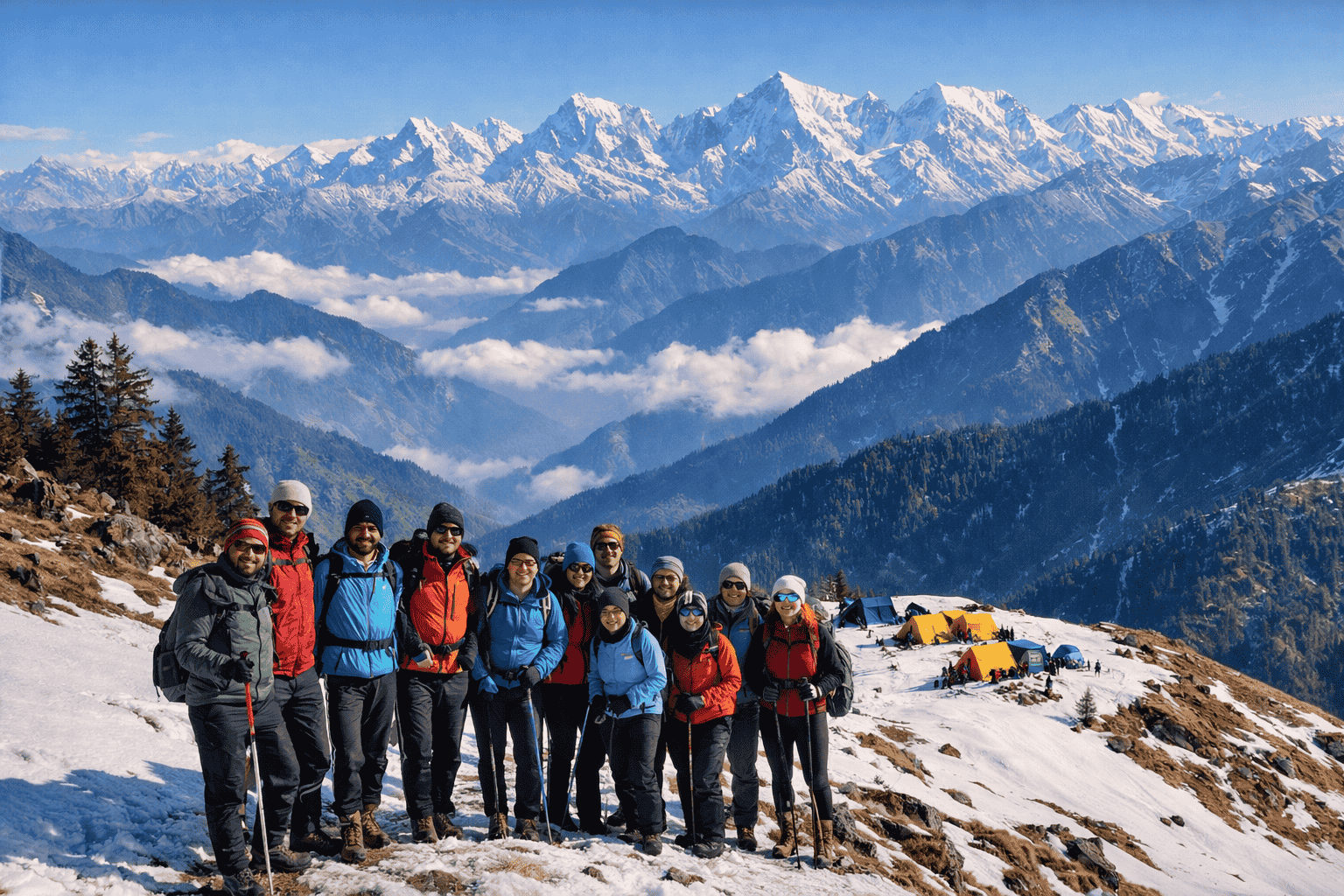
- Stunning summit views of Swargarohini, Bandarpunch, Black Peak, and the Kedarnath range
- Frozen Juda ka Talab adds a unique alpine lake experience
- Easy accessibility through the Kedarkantha trek from Delhi
Another advantage of the Kedarkantha trek 2026 is its value for money. Compared to other winter treks, the Kedarkantha trek cost is reasonable, and many operators offer well-organised Kedarkantha trek packages from Delhi. These packages usually include transport, accommodation, meals, guides, and snow gear, making it a stress-free option for first-time trekkers.
- Affordable Kedarkantha trek package options available for 2026
- Well-managed camps and improved facilities at Sankri base camp
- Ideal Kedarkantha trek for beginners, families, and first-time snow trekkers
- Suitable as a weekend-style Himalayan escape from Delhi
Kedarkantha Trek Quick Facts
| Feature | Details |
|---|---|
| Trek Name | Kedarkantha Trek |
| Region | Garhwal Himalayas, Uttarakhand |
| Maximum Altitude | 3,800 m / 12,500 ft |
| Total Trek Distance | Approximately 20–23 km (round trip) |
| Trek Duration | 6 days / 5 nights (including travel from Delhi) |
| Difficulty Level | Easy to Moderate |
| Base Village | Sankri (1,950 m / 6,400 ft) |
| Highest Campsite | Bhoja Dhadi or Pukhrola (around 3,260 m) |
| Best Time to Visit | December to April for snow, March to June and September to November for clear views |
| Trek Type | Winter snow trek and summit trek |
| Permit Requirement | No individual permit required; forest fees included in packages |
| Suitable For | Beginners, first-time trekkers, snow lovers, weekend trekkers |
| Starting Point | Sankri, accessible from Dehradun and Delhi |
| Key Highlights | Snow-covered forests, frozen Juda ka Talab, 360-degree summit views |
Best Time to Visit Kedarkantha Trek 2026 – Month-Wise Guide
Kedarkantha Trek is one of India’s most sought-after winter treks, and the best time to visit Kedarkantha largely depends on whether you want snow, clear skies, or lush green landscapes. This month-wise guide for 2026 is based on recent trail reports, snowfall updates, and personal trekking experience.
1. Winter (December–April): Peak Snow Season
Winter is the ultimate season for snow lovers. Trails transform into a magical winter wonderland, making it the best time to visit Kedarkantha for snow trekking.
- Day Temperature: -5°C to 10°C | Night: -15°C to -5°C
- Snowfall: Heavy snowfall begins in late December. Jan 23–24, 2026 reports confirm fresh snow on the summit and trails.
- Highlights: Frozen Juda ka Talab, snow-laden forests, and panoramic summit views of Swargarohini, Bandarpunch, Black Peak, and Kedarnath range.
- Trek Experience: Steep summit climb offers a sense of accomplishment against pure white snow.
- Crowds: Peak season is Dec 25–Jan mid; early January or late February preferred for quieter trails.
Pro Tip 2026: Start early for pristine sunrise views and memorable snow trekking experiences.
2. Spring (March–May): Melting Snow & Blooming Rhododendrons
Spring is ideal for moderate weather, fewer crowds, and scenic blooms. March–April is the best time to visit Kedarkantha in spring for a mix of snow patches and colorful rhododendrons.
- Day Temperature: 5°C–18°C | Night: -5°C to 5°C
- Conditions: Snow melts at lower elevations; forests bloom with reds and pinks by April–May.
- Trek Experience: Trails become easier; clear skies perfect for beginners and photography enthusiasts.
3. Summer (May–June): Lush Green Trekking
Summer offers greenery and pleasant weather. May–June is the best time to visit Kedarkantha for greenery and clear mountain views.
- Day Temperature: 10°C–20°C | Night: 0°C–8°C
- Conditions: Snow completely melted; lush landscapes, streams, and wildflowers visible.
- Trek Experience: Comfortable trails; perfect for snow-free Himalayan experience.
4. Monsoon (July–August): Avoid Trekking
Monsoon is not the best time to visit Kedarkantha. Trails are slippery, streams swell, and campsites can get waterlogged.
- Heavy rainfall, leeches, and landslides
- High-risk season; safety is a major concern
5. Autumn (September–November): Clear Skies & Golden Forests
Autumn offers clear skies, pleasant weather, and golden foliage. September–November is the best time to visit Kedarkantha for non-snow trekking.
- Day Temperature: 5°C–15°C | Night: -5°C to 5°C
- Post-monsoon clarity provides panoramic mountain views; forests turn golden.
- Trails moderately challenging; minimal snow and excellent visibility.
Expert Recommendation for 2026
- Snow Trekking: December–February (peak January is ideal for snow enthusiasts)
- Easier Weather & Fewer Crowds: March–May or September–November
- Avoid: July–August due to monsoon risks
The best time to visit Kedarkantha depends on your preferred experience—magical winter snow, blooming spring forests, lush green summers, or golden autumn landscapes. Each season offers breathtaking Himalayan views and an unforgettable trekking adventure.

How to Reach Kedarkantha from Delhi – Complete 2026 Travel Guide
Kedarkantha Trek is easily accessible from Delhi, making it perfect for a weekend or short Himalayan adventure. The trek starts from Sankri village, well-connected by road from Dehradun. Here’s a detailed 2026 guide on reaching Kedarkantha efficiently.
Option 1: Overnight Bus/Train + Taxi (Most Popular)
This is the most common and convenient route for trekkers traveling from Delhi.
- Delhi → Dehradun: Take a Volvo bus or train (Shatabdi Express, Mussoorie Express) from Delhi to Dehradun. Cost: ₹800–1,500 per person. Duration: 6–8 hours.
- Dehradun → Sankri: From Dehradun, take a shared taxi or Sumo to Sankri. Route: Dehradun → Mussoorie → Mori → Govind Pashu Vihar → Sankri. Cost: ₹1,000–2,000 per person. Duration: 10 hours, scenic mountain drive.
- Total Travel Time: 16–20 hours from Delhi, including transfers.
This route balances comfort, safety, and affordability. Most Kedarkantha trek packages from Delhi follow this route, making it easier for first-time snow trekkers.
Option 2: Direct Shared Taxi from Delhi
- Cost: ₹2,000–3,000 per person
- Duration: 12–14 hours
- Pros: Convenient and faster, minimal waiting
- Cons: Slightly more expensive; mountain roads can be narrow
Ideal for small groups or families wanting to skip overnight bus travel and reach the base quickly.
Option 3: Self-Drive from Delhi
- Route: Delhi → Saharanpur → Vikasnagar → Mori → Sankri (~450 km, 12–14 hrs)
- Road Conditions: Last stretches are narrow and winding; high ground clearance vehicles recommended
- Pros: Freedom to stop at scenic points along the way
- Cons: Winter snow or slippery roads can be challenging; GPS may be unreliable in remote areas
Winter tip: Snow may cover roads after fresh snowfall, so shared taxis or jeeps are safer during January–February. Always check BRO updates for road closures and weather alerts before departure.
Expert Tips for 2026 Travel to Kedarkantha
- Book buses or trains in advance during peak winter season (Dec–Feb)
- Start early to reach Sankri by evening and acclimatise before trekking
- Carry warm clothes and snacks for long drives
- Solo travelers should consider joining a trekking package from Delhi for safety and convenience

Kedarkantha Trek 6-Day Itinerary (From Delhi)
The Kedarkantha trek is one of the most beginner-friendly winter treks in India, offering snow-covered forests, frozen lakes, and panoramic summit views. This 6-day itinerary from Delhi is perfect for first-time snow trekkers looking to experience the Himalayan magic in 2026.
- Day 1: Delhi → Sankri (1,950 m) – Overnight travel, base camp check-in, evening village walk and local exploration.
- Day 2: Sankri → Juda ka Talab (~4–5 km, 5 hrs) – Trek through snow-laden forests; camp near the frozen lake, enjoy a bonfire, and stargazing.
- Day 3: Juda ka Talab → Kedarkantha Base (~4 km, 2.5–3 hrs) – Explore the campsite, acclimatize, and enjoy nearby alpine scenery.
- Day 4: Base → Summit → Hargaon (~6–7 km, 7 hrs) – Early 4–5 AM start; steep snow climb to 3,800 m summit; sunrise over peaks; descend to Hargaon camp (2,700 m).
- Day 5: Hargaon → Sankri (~4 km, 3–4 hrs) – Forest trail descent with views of Har Ki Dun, village exploration, and local culture experience.
- Day 6: Sankri → Dehradun → Delhi (~10 hrs) – Return journey to Delhi, concluding the trek.
This Kedarkantha trek itinerary balances adventure with rest, allowing trekkers to experience snow trekking, frozen lakes, and scenic Himalayan forests safely. Each day is designed to gradually acclimatize trekkers while maximizing their experience of Uttarakhand’s Garhwal region. Whether it’s your first snow trek or a winter adventure escape from Delhi, this itinerary is ideal for 2026 trekking plans.
Kedarkantha Trek Cost 2026
Planning a Kedarkantha trek in 2026? Understanding the costs upfront helps you choose the right package and budget your Himalayan adventure. The cost varies depending on whether you opt for a group package, a full Delhi-inclusive package, or a DIY trek.
Group Package (Per Person)
- Base cost: ₹4,000–6,000 + GST
- Transport (Dehradun–Sankri): ₹2,000–2,500
- Backpack offloading: ₹1,500–2,000
- Gear rental: ₹1,000–2,000
- Insurance/medical: ₹200–500
- Total: ₹10,000–15,000
Full Delhi Package
- Cost: ₹8,000–9,000 per person
- Includes: Bus/train from Delhi, accommodation, meals, guide, and gear
- Convenient for first-time trekkers or weekend snow trekking trips from Delhi
DIY / Independent Trek
- Cost: ₹12,000–20,000 per person
- Includes: Transport, stay, meals, guide/porter (optional)
- Flexibility to choose accommodation and trekking pace
Winter 2026 tip: Costs may be slightly higher due to heating and snow gear requirements. Booking early for peak snow season (Jan–Feb) is recommended to secure the best prices. Knowing the Kedarkantha trek cost helps you plan effectively and enjoy a hassle-free winter adventure from Delhi.
Kedarkantha Trek Difficulty & Fitness Requirements – What You Need to Know for 2026
The Kedarkantha trek is ideal for beginners, but it’s important to understand the difficulty level and fitness requirements before attempting this 2026 winter adventure. Known for its thick snow, frozen lakes, and panoramic summit views, the Kedarkantha snow trek offers a perfect blend of challenge and accessibility for trekking enthusiasts from Delhi and beyond.
Difficulty Level: Easy to Moderate
- Gradual Ascent: Most of the trail has a steady incline, making it suitable for first-time trekkers and those joining a Kedarkantha trek from Delhi 2026.
- Steep Summit Push: The final climb to 3,800 m (12,500 ft) takes 2–3 hours through snow. It is exhilarating but requires caution and proper gear.
- No Technical Climbing: Ropes or mountaineering skills are not required. Trekking poles, sturdy boots, and guidance from an experienced leader are sufficient.
Fitness Requirements
- Cardio Endurance: Jog 5 km in 35–40 minutes or brisk walk 10 km to build stamina for daily trekking sections (4–7 km/day).
- Strength & Climbing Practice: Stair climbing or hill walking 2–3 times a week, carrying a 5–10 kg backpack to simulate trekking conditions.
- Flexibility & Core Strength: Yoga or stretching exercises help prevent fatigue and ankle injuries on snow-covered trails.
Who Should Go on Kedarkantha Trek
- Beginners & First-Time Trekkers: Safe and achievable with moderate preparation.
- Fit Office-Goers: Ideal winter escape from Delhi for snow trekking enthusiasts.
- Families: Children aged 10+ can participate under supervision.
- Snow Lovers & Photography Enthusiasts: Peak January 2026 snow provides perfect conditions for winter landscapes.
Expert Tips for 2026 Trekkers
- Acclimatize well at base camp (Sankri, 1,950 m) before attempting the summit.
- Pace yourself on steep snow sections; slow and steady is safer than rushing.
- Use trekking poles and stay hydrated; altitude fatigue can occur above 3,000 m.
- For winter trekking, layered clothing, gaiters, and microspikes improve safety and comfort.
With proper preparation, the Kedarkantha trek for beginners is manageable and immensely rewarding. Whether you join a Kedarkantha trek package from Delhi or plan independently, this snow trek provides magical winter landscapes and unforgettable Himalayan experiences in 2026.
Winter Snow Trek Tips (Dec–Apr 2026)
Winter is the peak season for the Kedarkantha snow trek, offering pristine snow-covered landscapes and frozen lakes. To enjoy your Kedarkantha trek 2026 safely and comfortably, follow these essential tips for trekking in snow and cold Himalayan conditions.
- Layer Clothing: Wear thermals, fleece, a down jacket, and a windproof shell to stay warm during the Kedarkantha snow trek.
- Gear: Use microspikes or gaiters for icy and slippery sections; trekking packages usually provide these.
- Start Early: Begin treks at 4–5 AM for sunrise and avoid afternoon fog or wind on higher elevations.
- Sleeping Comfort: Keep a hot water bottle inside your sleeping bag for cold nights at camps.
- Sun Protection: Use sunscreen and sunglasses to protect against strong snow glare at high altitudes.
- Check Snow Reports: As of Jan 2026, fresh snow covers the summit and trails, making the trek visually stunning but more challenging.
Following these winter tips ensures a safer and more enjoyable Kedarkantha trek for beginners and experienced trekkers alike. Proper preparation, layering, and timing are key to fully experiencing the beauty of the Kedarkantha trek 2026 during the snow season.
Kedarkantha Trek Packing List
Proper packing is crucial for a safe and enjoyable Kedarkantha snow trek. This list is tailored for the Kedarkantha trek 2026 winter season, ensuring comfort, warmth, and safety.
Clothing
- Waterproof trekking shoes suitable for snow
- Thermals (top and bottom)
- Fleece jacket and down jacket
- Trekking pants
- Woollen socks, gloves, balaclava, and woollen cap
Essentials
- Backpack (50–60L) with rain cover
- Headlamp with extra batteries
- 2L water bottle
- Trekking poles for snowy trails
- Sunglasses and sunscreen for snow glare
- Lip balm and personal hygiene items
Health / Miscellaneous
- Personal medications (Diamox, painkillers, ORS)
- First-aid kit for minor injuries
- Power bank for devices
- Snacks and energy bars
Provided in Packages
- Sleeping bag (-10°C) suitable for winter trekking
- Tents and mats for camping
- Gaiters or microspikes for icy sections
Having the right gear ensures that your Kedarkantha trek 2026 is comfortable, safe, and memorable. Following this packing list is especially important for a winter snow trek, where weather conditions can be extreme.
Stay & Food During Kedarkantha Trek
Comfortable stay and good food are essential for enjoying the Kedarkantha trek 2026, especially during the winter snow season. Trekkers can experience a mix of homestays, guesthouses, and camping while enjoying hearty meals to keep energy levels high.
Stay Options
- Sankri: Guesthouses or small hotels with attached washrooms, ideal for acclimatization before the trek.
- Trail Camps: Twin-sharing tents equipped with sleeping bags (-10°C) and mats, perfect for the Kedarkantha snow trek experience.
- Camping Near Juda ka Talab: Experience serene alpine camping with bonfires and starry skies.
Food Options
- Vegetarian meals with eggs, including paratha, dal-rice, sabzi, pasta, and soups.
- Hot meals at camps ensure warmth and energy for trekking.
- Special dietary requests can be accommodated with prior notice.
- Snacks, energy bars, and tea/coffee are usually provided between trekking segments.
With proper stay and food arrangements, your Kedarkantha trek 2026 becomes a safe, comfortable, and memorable winter adventure. Always confirm facilities with your trekking package to ensure a smooth snow trekking experience.
Safety & Altitude Guidance for Kedarkantha Trek
Safety is a top priority while trekking in winter. The Kedarkantha trek 2026, with its snow-covered trails and high-altitude camps, requires careful attention to altitude, weather, and trekking protocols. Following these guidelines ensures a safe and enjoyable Kedarkantha snow trek experience.
- Gradual Altitude Gain: Ascend slowly to allow your body to acclimatize and reduce the risk of Acute Mountain Sickness (AMS).
- Hydration: Drink plenty of water, even in cold weather, to prevent dehydration and help your body adjust to higher altitudes.
- Monitor Health: Pay attention to signs of altitude sickness like headache, nausea, dizziness, or shortness of breath. Descend if symptoms persist.
- Follow Guide Instructions: Always adhere to the trekking guide’s advice for safe routes, snow sections, and campsite protocols.
- Emergency Support: First-aid kits, oxygen cylinders, and emergency evacuation routes are available at major camps.
- Winter Precautions: Snow can make trails slippery; use trekking poles, wear microspikes or gaiters, and trek during daylight.
- Nearest Medical Facilities: Purola and Mori have basic medical support; inform your guide of any pre-existing conditions before starting.
By following these safety and altitude tips, trekkers can enjoy the breathtaking scenery and frozen lakes of the Kedarkantha snow trek safely. Proper preparation and awareness make your Kedarkantha trek 2026 a memorable and secure Himalayan adventure.

Kedarkantha Trek vs Other Treks
Comparing Kedarkantha trek 2026 with other popular treks helps you understand why it’s one of the best winter trekking options for beginners and snow lovers. This table highlights the key differences in altitude, snow experience, and trail difficulty.
| Trek | Kedarkantha Trek 2026 | Other Trek |
|---|---|---|
| Nag Tibba | Higher summit, thicker snow, 6-day trek; panoramic views of Kedarnath range and frozen Juda ka Talab. | Shorter, easier weekend trek; minimal snow and limited summit views. |
| Madhyamaheshwar | Winter snow adventure with alpine scenery; beginner-friendly summit climb possible in Kedarkantha trek 2026. | Pilgrimage trek with moderate difficulty; less snow coverage in winter. |
| Dayara Bugyal | Summit climb with snow camping; ideal for first-time snow trekkers on Kedarkantha trek 2026. | Large meadows, similar difficulty, less frozen lake experience. |
| Chopta Tungnath | Higher altitude, snow summit during winter; accessible for a Kedarkantha snow trek experience. | Temple trek with easier access and meadows; limited snow. |
This comparison shows that Kedarkantha trek 2026 offers a unique combination of snow-covered forests, a frozen alpine lake, beginner-friendly summit, and stunning Himalayan views, making it a preferred choice for winter trekking enthusiasts.

Frequently Asked Questions (FAQs) – Kedarkantha Trek 2026
Here are the most common questions about the Kedarkantha trek 2026, covering difficulty, snow conditions, cost, and safety tips. These FAQs help first-time trekkers and snow enthusiasts plan their trip efficiently.
Is Kedarkantha trek suitable for beginners?
Yes. Kedarkantha trek 2026 is beginner-friendly with a gradual ascent, no technical climbing, and well-marked trails. First-time snow trekkers can enjoy the experience safely, especially with an experienced guide.
What is the best time to trek Kedarkantha in 2026?
For a winter snow experience, December to February is ideal. As of January 2026, heavy fresh snow covers the summit and trails. March–May and September–November are suitable for snow-free trekking with clear skies.
How long is the Kedarkantha trek and total distance?
The trek is 6 days and 5 nights, covering approximately 20–23 km round-trip. Daily treks range from 4–7 km depending on your route and summit push.
What is the cost of Kedarkantha trek 2026?
Costs vary: Group package: ₹13,000–18,000 per person (includes guide, stay, meals, gear). Full package from Delhi: ₹15,000–22,000 per person (includes bus/train + everything). DIY/Independent: ₹12,000–20,000. Winter 2026 costs are slightly higher due to snow gear and heating.
Can I trek Kedarkantha solo?
Yes, but it is safer to trek in a group. Packages provide guides, meals, and emergency support, which is especially helpful during a Kedarkantha snow trek in winter.
Is there mobile network coverage on Kedarkantha trek?
Mobile network is available up to Sankri (mainly BSNL). Beyond that, coverage is patchy. Trekkers should inform guides about emergency contacts and rely on group communication for safety.
Do I need a permit for Kedarkantha trek?
No individual permit is required. Forest entry fees are usually included in trekking packages. Carry ID if organizing a DIY trek.
What is Juda ka Talab?
Juda ka Talab is a frozen alpine lake near the Kedarkantha base camp. Legend says it was formed when Lord Shiva’s hair (Juda) fell here. It’s one of the highlights of the Kedarkantha snow trek.
Can children do the Kedarkantha trek?
Yes, fit children aged 10+ can attempt the trek with proper preparation. Children under 8 or very unfit individuals should avoid winter trekking due to snow and altitude.
Is Kedarkantha trek worth it in 2026?
Absolutely. Magical snow, panoramic summit views, frozen lake, and beginner-friendly trails make Kedarkantha trek 2026 a must-do Himalayan winter adventure. Peak snow season is January 2026, with February and March also ideal.