

Madhyamaheshwar Temple, perched at an altitude of 3,497 meters in the serene Garhwal Himalayas, is one of the sacred Panch Kedar shrines dedicated to Lord Shiva. Its foundation is steeped in ancient history and legends, making it a highly revered pilgrimage site. According to folklore, the temple was constructed by the Pandavas after the Mahabharata war to seek atonement for the sins of war. It is believed that Lord Shiva, to avoid the Pandavas’ penance, took the form of a bull and disappeared into the Garhwal mountains. The different parts of his body appeared in five locations, forming the Panch Kedar temples, with Madhyamaheshwar representing the middle portion of Shiva’s body.
The temple’s historical significance is not only religious but also cultural, as it represents centuries of devotion and Himalayan architecture. Pilgrims from across India and abroad visit the temple, and many combine the trip with a trekking experience known as the Madhyamaheshwar trek. The journey to reach the temple is considered spiritually rewarding, as the path passes through dense forests, alpine meadows, and pristine streams. Over the centuries, local communities have preserved the temple, making it a symbol of faith, culture, and heritage. Madhyamaheshwar tour package often include details about the temple’s origin, ensuring that visitors appreciate the historical context while experiencing the spiritual ambiance.
Divine Significance and Spiritual Insights of Madhyamaheshwar Temple
- Path of Purification: The trek to Madhyamaheshwar is considered a journey of spiritual cleansing, purifying the body, mind, and soul. Trekking through dense forests, flowing streams, and alpine meadows reflects an inner journey of renewal.
- Madhya (Navel) of Shiva: The temple represents Lord Shiva’s navel, symbolizing the central life force and energy. Devotees often meditate here to align their inner selves with divine consciousness.
- Pandavas’ Quest for Redemption: Legends suggest that the Pandavas visited Madhyamaheshwar seeking forgiveness for their past deeds after the Mahabharata war. This journey embodies humility, devotion, and spiritual awakening.
- Connection to Panch Kedar: Being part of the sacred Panch Kedar circuit, Madhyamaheshwar teaches that divinity pervades nature. The surrounding mountains, rivers, and valleys are all considered sacred, offering a deep spiritual connection beyond the temple walls.
- Enhanced Pilgrimage Experience: Following a Madhyamaheshwar trek itinerary or opting for a Madhyamaheshwar tour package from Delhi or nearby cities allows pilgrims and trekkers to fully appreciate both the spiritual essence of the temple and the breathtaking Himalayan landscapes, making the journey profoundly fulfilling.

Legend Behind Madhyamaheshwar Temple
The mythology surrounding Madhyamaheshwar Temple adds a profound spiritual layer to its significance. According to legend, after the Mahabharata war, the Pandavas sought Lord Shiva to atone for the sins of the war. Shiva, however, took the form of a bull and disappeared into the Garhwal Himalayas, appearing in different locations. It is believed that the bull’s middle portion manifested at Madhyamaheshwar, symbolizing the heart and core energy of Lord Shiva. This mystical tale attracts both devout pilgrims and adventure seekers who embark on the Madhyamaheshwar trek to connect with the divine energy of the temple.
The temple is also tied to several other legends and folklore. Local stories suggest that Lord Shiva meditated here for thousands of years, blessing the valley and surrounding mountains with spiritual energy. The site is considered a powerful center for meditation, reflection, and purification. Pilgrims who complete the Madhyamaheshwar trek and offer prayers at the temple are believed to experience cleansing of both mind and body, enhancing their spiritual journey.
The legend of Budha Madhyamaheshwar, or the “Old Madhyamaheshwar” site, adds another layer of historical and spiritual importance. It is believed that this was the original temple location before it was moved to its present site. Devotees visiting Budha Madhyamaheshwar report a deep connection to the ancient energy and blessings of Lord Shiva.
These captivating stories form a core part of many Madhyamaheshwar tour packages, helping travelers understand the deep spiritual and cultural significance of the temple. Trekking enthusiasts often plan their Madhyamaheshwar trek itinerary around these legendary sites, ensuring a journey that combines adventure, devotion, and historical insight. Whether visiting as part of a guided tour from Delhi or as an independent trek, exploring Madhyamaheshwar becomes a transformative experience, blending the thrill of the trek with spiritual enrichment in the heart of the Garhwal Himalayas.

Connection to Panch Kedar Circuit
Madhyamaheshwar holds a key position in the revered Panch Kedar pilgrimage circuit, which also includes Kedarnath, Tungnath, Rudranath, and Kalpeshwar. Devotees undertaking the Panch Kedar yatra view Madhyamaheshwar as an essential stop to complete their spiritual journey. The temple is unique within this circuit because of its remote location and challenging trekking route. Pilgrims often use Madhyamaheshwar tour packages from Delhi or nearby cities, which include transport, guided trek arrangements, and accommodations, to ensure a hassle-free journey through the circuit.
The temple’s connection with the Panch Kedar circuit also highlights the religious and historical significance of this region. The journey through the Garhwal Himalayas enhances spiritual experiences, with trekkers following a path that has been walked by devotees for centuries. For those planning a Madhyamaheshwar trek, understanding the Panch Kedar context enriches the journey. The circuit itself serves as a bridge between devotion and adventure tourism, attracting both pilgrims seeking blessings and travelers wanting a Himalayan trekking experience. Detailed Madhyamaheshwar travel guides provide recommended itineraries, safety tips, and the best times to visit Madhyamaheshwar, making planning easier.

Architectural Features of Madhyamaheshwar Temple
Madhyamaheshwar Temple is a stunning example of traditional Himalayan architecture, constructed using stone and wood to withstand the harsh weather of the high-altitude region. The temple has a rectangular sanctum with a small mandap and intricately carved wooden beams, showcasing the craftsmanship of the era. The walls of the temple depict mythological stories and divine motifs, adding to the spiritual ambiance. The roof is made of stone slabs, providing durability against snowfall and storms.
Pilgrims and trekkers visiting the temple often notice the serene courtyard, stone-paved pathways, and panoramic views of the Chaukhamba peaks. The architecture of the temple enhances both its spiritual and aesthetic appeal. Trekking to Madhyamaheshwar temple itself is considered a pilgrimage, with the natural surroundings complementing the sanctity of the site. Many Madhyamaheshwar tour packages include guidance about the temple’s architectural and cultural features, allowing visitors to appreciate its historical and spiritual significance. Understanding the temple’s architecture also helps visitors grasp the challenges of building a sacred structure in such a remote Himalayan region.

Cultural & Spiritual Importance
Madhyamaheshwar Temple is not only a religious site but also a hub of cultural and spiritual significance. It is believed that Lord Shiva’s divine energy permeates the entire valley, offering spiritual solace to devotees and trekkers. Festivals like Maha Shivratri see the temple come alive with rituals, prayers, and processions, attracting pilgrims from all over India. The temple is an integral part of the Madhyamaheshwar trek, which blends adventure with devotion. Many tourists opt for Madhyamaheshwar tour packages to experience this unique combination of culture, spirituality, and trekking.
The spiritual journey also emphasizes meditation, nature observation, and mental rejuvenation. Pilgrims who complete the trek often feel a sense of accomplishment and inner peace. The Madhyamaheshwar trek itinerary, whether short or extended, incorporates stops at key points where devotees can perform rituals or take in panoramic views. The cultural significance of the temple extends to the local communities, who continue to uphold centuries-old traditions and festivals, ensuring that the temple remains a vibrant spiritual center.
Historical References and Records
Madhyamaheshwar Temple has been mentioned in several historical and religious records, underscoring its importance in the Garhwal region. Ancient manuscripts and local chronicles describe the temple as a sacred destination for Shiva worshippers. Local rulers historically supported the temple’s maintenance, ensuring that pilgrims could visit safely. The temple’s presence has influenced regional culture, literature, and religious practices.
For trekkers, understanding the historical context adds depth to the Madhyamaheshwar trek experience. Many modern Madhyamaheshwar tour packages from Delhi include historical briefings or guides who explain the significance of the temple and surrounding shrines. The records also help pilgrims plan their visit during optimal months, considering both weather and spiritual events. Travelers and researchers alike benefit from the rich historical context, which complements the breathtaking Himalayan scenery and enhances the overall spiritual journey.

Integration with Madhyamaheshwar Trek
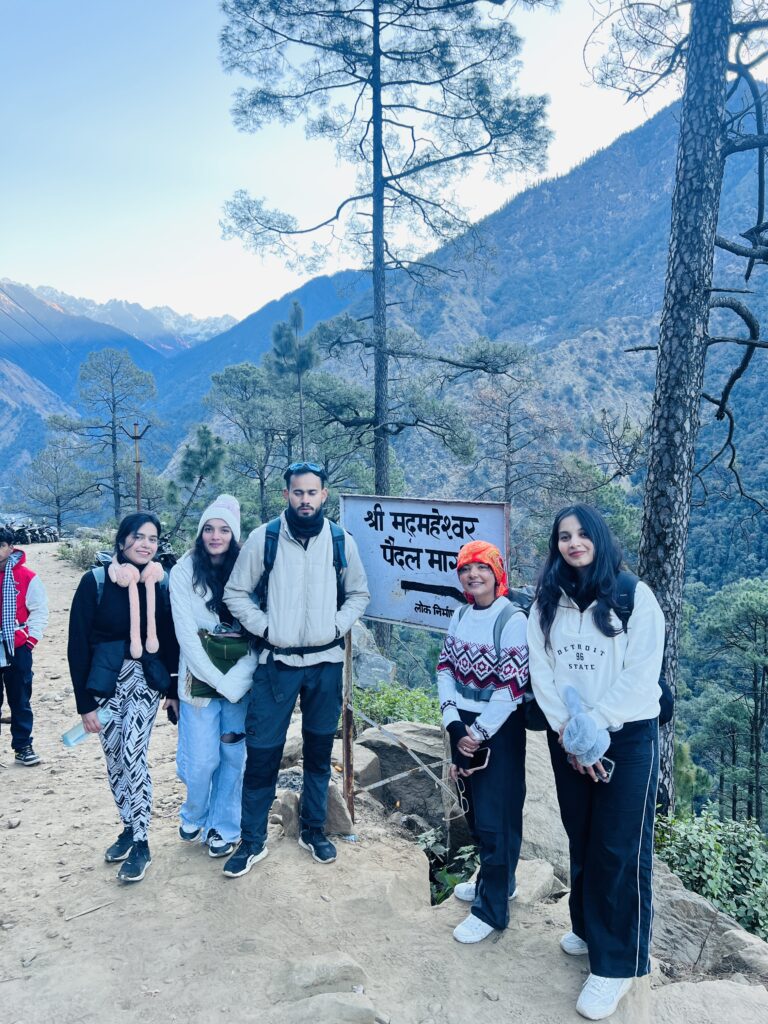
The Madhyamaheshwar trek is not just a physical journey but a spiritual passage connecting devotees with nature and divine energy. Starting from the base village Ransi, the trek passes through dense forests, alpine meadows, streams, and waterfalls. Trekkers experience panoramic views of the Chaukhamba peaks, making the journey visually and spiritually rewarding. Pilgrims often incorporate the Madhyamaheshwar trek into broader Panch Kedar circuits to complete their pilgrimage.
Planning a Madhyamaheshwar trek itinerary is crucial for safety and enjoyment. Detailed travel guides provide information on elevation gain, rest points, local homestays, and weather patterns. Many opt for Madhyamaheshwar tour packages that cover transport from Delhi or Rishikesh, making the journey accessible even for first-time trekkers. The trek integrates physical exertion, meditation, and cultural exposure, creating a unique blend of adventure and devotion that defines the Madhyamaheshwar experience.

Modern-Day Relevance & Tourism
Today, Madhyamaheshwar Temple has become a popular destination for both spiritual seekers and adventure tourists. Modern infrastructure, guided tours, and organized Madhyamaheshwar tour packages allow visitors to experience the temple without worrying about logistics. These packages often include transport from Delhi or Dehradun, accommodation, and guided trekking support. Despite modernization, the temple retains its spiritual essence, attracting thousands annually.
Tourism has also benefited local communities, providing employment opportunities and promoting the preservation of Himalayan culture. Travelers following a Madhyamaheshwar trek itinerary gain exposure to local traditions, cuisine, and natural beauty. The temple remains a symbol of devotion, history, and cultural heritage, blending ancient spiritual practices with contemporary adventure tourism. For those planning their trip, consulting a Madhyamaheshwar travel guide ensures a safe, memorable, and enriching experience.