
Food Availability on the Madhyamaheshwar Trek
Food availability on the Madhyamaheshwar trek is simple, homely, and perfectly suited for trekkers who need warm and fresh meals during the journey. The entire route — from Ransi to Madhmaheshwar temple — offers basic food facilities managed by local villagers. Most eateries serve traditional pahadi meals that keep you energized throughout the trek, especially if you are following a multi-day Madhmaheshwar trek itinerary. Since the trail passes through small settlements like Gaundar, Bantoli, and Nanu, you will find food at regular intervals, making it beginner-friendly and safe even in unpredictable Madhyamaheshwar weather.
Small wooden dhabas are the most common food stops along the Madhyamaheshwar route. They usually serve dal, rice, roti, seasonal vegetables, Maggi, omelettes, and tea. Breakfast typically includes parathas or bread-omelette, while lunch and dinner consist of light, easy-to-digest meals ideal for trekking. These simple foods also help maintain energy levels during the climb, especially for those visiting for the first time or coming from long-distance routes such as Madhmaheshwar from Delhi.
If you are planning your journey with a Madhmaheshwar package or a pre-planned Madhmaheshwar tour package, meals are usually included in the cost. This makes food arrangements more reliable, especially during peak season or when the trail gets busy with pilgrims heading toward the Budha Madhyamaheshwar trek viewpoint. Packages also ensure that trekkers receive freshly prepared meals even on days when local stalls are crowded or temporarily closed.
During early summer and late autumn — widely regarded as the best time to visit Madhyahameshwar — food availability is at its best because most dhabas operate throughout the day. However, during early-season openings or unexpected weather changes, availability may be slightly limited. Checking a recent Madhyamaheshwar travel guide helps you stay updated about which food points are functional before you begin the trek.
Overall, food on the Madhyamaheshwar trek is affordable, homely, and readily accessible, making the journey comfortable for beginners as well as experienced trekkers. Carrying a few energy bars, dry fruits, and a reusable water bottle is still recommended for long stretches between villages.

Madhmaheshwar Temple Food & Prasad: What’s Available at Madhmaheshwar Temple
Reaching Madhmaheshwar temple (also spelled Madmaheshwar temple) after completing the beautiful but challenging Madhyamaheshwar trek is a deeply fulfilling experience, not only spiritually but also physically — because the temple offers warm, heartfelt prasad that rejuvenates every tired trekker. The prasad at the temple is served through a community langar system, where volunteers prepare fresh vegetarian meals daily. Lunch is usually served between 12 PM and 2 PM, while dinner timings are around 6:30 PM to 7:30 PM. The food is simple yet wholesome, consisting of dal, rice, roti, sabzi and sometimes kheer, reflecting the traditional Pahadi style of cooking. Trekkers are encouraged to carry their own plates, although disposable plates are available at nearby stalls.
Besides the langar, there are four small dhabas located right next to the Madhmaheshwar temple complex. These dhabas stay open until around 8 PM and serve hot meals including parathas, rajma-chawal, Maggi, bread-omelette, and tea. The food is freshly cooked, hygienic and budget-friendly, making it convenient for trekkers who reach late or prefer additional meal options. For many visitors following a fixed Madhmaheshwar trek itinerary , these dhabas are a reliable food source, especially during the peak season when the flow of pilgrims increases. Several Madhyamaheshwar package tours and even custom Madhmaheshwar tour package plans include dinner arrangements at these dhabas, ensuring that trekkers do not have to worry about meal management after a long day of hiking.
Another beautiful tradition here is that no devotee or trekker is ever left hungry at the Madhmaheshwar temple. The local community ensures that warm meals are available to everyone, regardless of the season. For beginners coming from cities like Delhi to experience the trek for the first time, this food availability adds a sense of comfort and safety. Whether you are on a budget journey, a pilgrim visit, or exploring extensions like the Budha Madhyamaheshwar trek early in the morning, the temple area provides enough food options to keep you energized. This makes the overall trekking experience smoother and more welcoming for all.

Madhyamaheshwar Route 2026: Village-by-Village Food & Water Stops
Madhyamaheshwar route in 2026 is well-developed and beginner-friendly, making it one of the most manageable pilgrim treks in Uttarakhand. The full distance is around 18 km one way: Ransi → Gaundar (4 km) → Bantoli (9 km) → Nanu (13 km) → Madhmaheshwar temple (18 km). Each major stop along this Madhyamaheshwar route has food, refreshments, and water facilities, ensuring that trekkers never go hungry or dehydrated. Ransi, the starting point, offers proper restaurants and general stores where trekkers can fuel up before beginning their journey. Tea, snacks, and packaged food are easily available here.
After the first 4 km stretch, you reach Gaundar — a small but vibrant village offering tea stalls, Maggi, snacks, and refillable drinking water sources. It’s a great place to rest briefly before continuing toward the steeper section of the Madhyamaheshwar trek. From Gaundar to Bantoli, the trail becomes slightly challenging, but Bantoli rewards you with full dhabas serving hot meals like dal-rice, parathas, and vegetable curry. This is one of the most important meal points on the route, especially for beginners following a fixed Madhmaheshwar trek itinerary.
Moving ahead, Nanu at around the 13 km mark offers cooked meals, tea, and filtered drinking water. Many trekkers stop here for lunch or for a short break before the final ascent to the Madhmaheshwar temple. Upon reaching the temple, you are welcomed with free langar meals, which include simple yet comforting vegetarian dishes. The high altitude may cause fatigue, but the presence of reliable food and water facilities throughout the route keeps the journey safe.
Whether you're traveling solo, with a group, or through a Madhmaheshwar tour package, access to regular food and water stops makes the 2026 trek extremely smooth. Beginners and families can trek confidently knowing that the distance between stops never exceeds 4–5 km, and essentials are available throughout the journey.

How to Reach Madhmaheshwar from Delhi + Madhmaheshwar from Delhi Meal Stops
Understanding how to reach Madhmaheshwar from Delhi helps you plan a smooth, comfortable, and safe journey before starting the trek. The total distance from Delhi to Madhmaheshwar is around 420–450 km, and the usual travel time is 10–12 hours depending on traffic and weather. The most preferred route for pilgrims and trekkers is: Delhi → Rishikesh → Devprayag → Srinagar → Rudraprayag → Ukhimath → Ransi. From Ransi onward, the Madhyamaheshwar trek officially begins. This route is well-maintained and has multiple transport options, including buses, shared taxis, private cabs, and vehicles organized under a Madhmaheshwar package, making it convenient even for beginners.
If you are traveling by bus, most travellers take an overnight Volvo or GMOU bus from Delhi to Rishikesh. From there, shared jeeps and taxis are easily available towards Ukhimath and Ransi. Private cars offer the most comfort, especially for families or senior pilgrims visiting Madhmaheshwar temple. Those following a planned Madhmaheshwar trek itinerary can also opt for package-based travel, which includes transport, accommodation, and meals—ideal for people coming from far cities like Delhi.
Meal stops on the Madhmaheshwar from Delhi route are plenty, ensuring you never travel on an empty stomach. Devprayag is popular for early morning breakfast with scenic views of the Alaknanda and Bhagirathi rivers. Srinagar, about halfway, is the main food hub where most buses halt for lunch or dinner. Here you’ll find restaurants serving North Indian meals, thalis, parathas, and even light snacks. Rudraprayag is another reliable stop with clean eateries and tea stalls, perfect for a quick refreshment before the final mountain drive. Carry light snacks, especially if you are traveling overnight.
Whether you travel independently or through a Madhmaheshwar tour package, the journey from Delhi is comfortable and full of good food stops, making the long drive enjoyable. A little planning ensures that your approach to the trek begins stress-free, well-fed, and ready for the beautiful Madhyamaheshwar route ahead.

Madhmaheshwar Tour Package 2026: Are Meals Included?
A typical Madhmaheshwar tour package in 2026 is designed to make your journey comfortable by covering transport, meals, stays, and guide support. The average cost of a Madhmaheshwar package ranges from ₹7,500 to ₹16,000 when starting from Haridwar or Rishikesh, depending on the season, accommodation type, and group size. Most standard packages include breakfast and dinner throughout the journey, while higher-range packages may also provide packed lunch, snacks, hot drinks, and mineral water. This makes the Madhyamaheshwar trek much easier for beginners who may not want to search for food options in remote villages along the trail.
Another benefit of choosing a Madhmaheshwar package is the convenience it offers during the trek. Villages like Gaundar, Bantoli, Nanu, and even the area near Madhmaheshwar temple have food stalls and dhabas, but availability can vary based on weather, crowd, and opening dates. With a package, trekkers receive pre-arranged meals so they don't need to worry about unpredictable food timings or shortages, especially during peak months. Many packages also include tea breaks, energy boosters, and early morning meals before the trek begins.
When compared to planning your own Madhyamaheshwar trek cost — usually ₹6,000 to ₹9,000 for self-managed travel — packages may seem slightly more expensive. However, the higher cost includes safety, support from local guides, timely meals, and guaranteed accommodation during busy trekking months. For first-time trekkers or those traveling from far places like Delhi to Madhmaheshwar, opting for a package ensures a smooth, stress-free experience. It eliminates the need to negotiate at each village or arrange last-minute meals and stays.
If you prefer comfort, structured itineraries, and reliable food availability during the trek, a Madhmaheshwar tour package is a smart and practical choice. It allows you to focus on the scenic beauty, spiritual journey, and overall trekking experience without worrying about logistics.
Budha Madhyamaheshwar Trek: Food & Water on the Extension
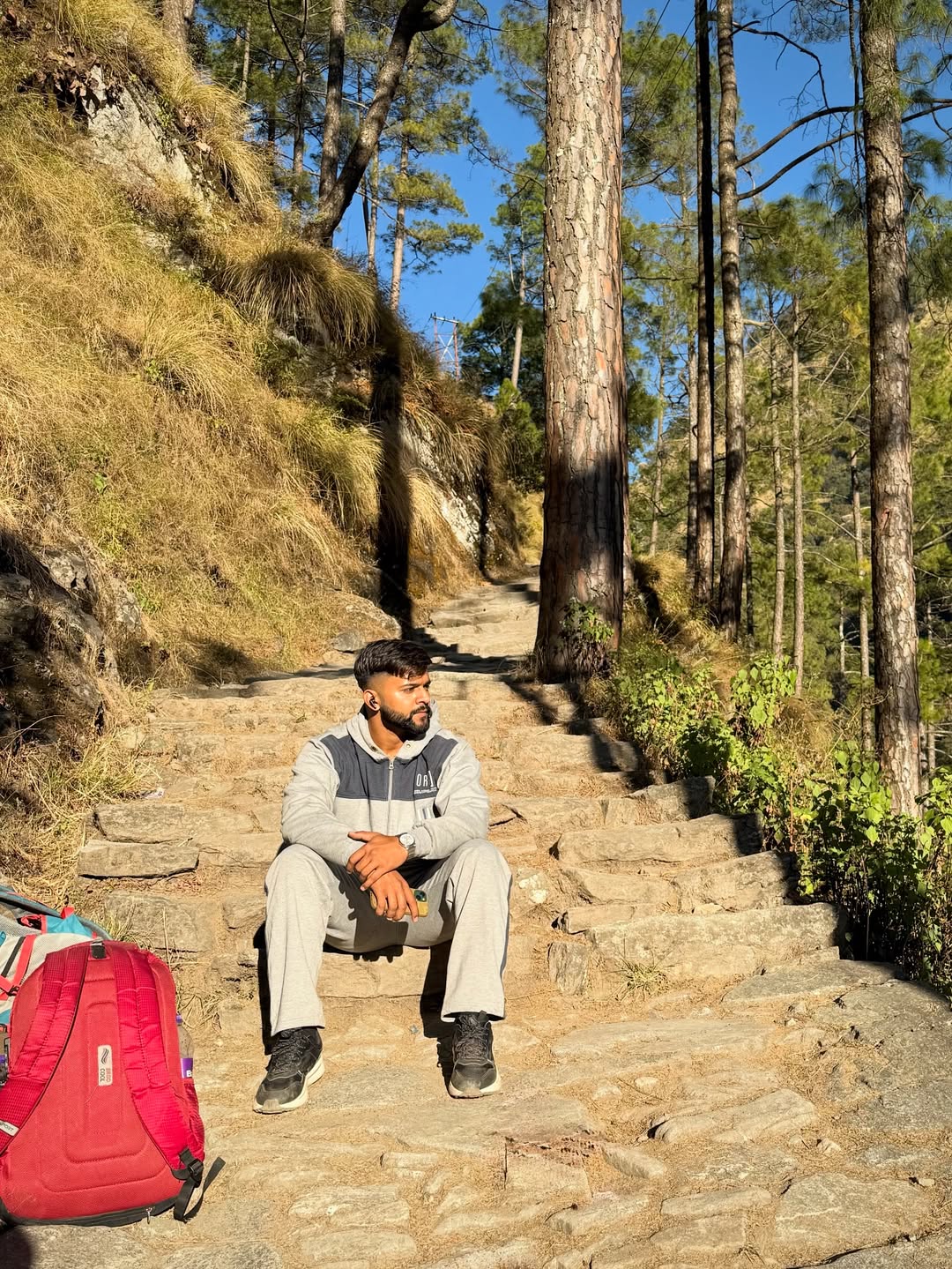
The Budha Madhyamaheshwar trek is a short but highly rewarding 2–3 km uphill extension that begins from the main Madhmaheshwar temple. Although the distance sounds small, the climb is steep and crosses through rocky patches, meadows, and narrow ridges offering panoramic views of the Chaukhamba massif. Trekkers often include this stretch to experience the peaceful Budha Madhyamaheshwar shrine and the breathtaking sunrise views that are considered among the best in the entire Kedarnath valley.
When it comes to facilities, this route is completely basic and untouched. There are no permanent shops, food stalls, dhabas, or shelters anywhere on the extension trail. Only a small seasonal tea point may operate during the busy pilgrimage months like June and October, but even that is not guaranteed every day. Because of this, trekkers must prepare themselves with enough essential supplies. Carry energy bars, dry fruits, biscuits, ORS packets, and at least 1.5–2 litres of water per person. The trail has no natural refill point, so whatever you carry from the main temple area is what you’ll depend on for the entire climb.
After visiting Budha Madhyamaheshwar, all trekkers return to the main Madhmaheshwar base for meals as that is where the homestays, small eateries, and dhabas are located. Those planning their Madhyamaheshwar trek itinerary should start the extension early morning to get clear views and to return safely before evening, as the weather in the high-altitude region can shift suddenly. Proper timing, hydration, and light snacks make this short extension a safe and memorable experience, especially for those seeking peaceful mountain views away from the crowded temple zone.

Availability of Packaged and Ready-to-Eat Food
On a Madhyamaheshwar trip, trekkers often face long stretches between
villages and rest points, making packaged and ready-to-eat food a
practical necessity. While small tea stalls and local eateries are
available at major stops like Ransi and Kedarnath base points, options
become limited in the higher altitudes and more remote segments of the
Madhyamaheshwar trek.
Convenience foods such as instant noodles, biscuits, energy bars, dry
fruits, chocolates, and ready-to-eat meals are widely recommended.
These items are lightweight, easy to carry, and require minimal
preparation, which is essential during long trekking hours. Many
trekkers also carry instant soups, oats, and dehydrated meals that can
be quickly cooked with boiling water at camping spots or small
guesthouses along the Madhyamaheshwar route.
Packaged food not only provides sustenance but also ensures that
trekkers maintain their energy levels in the high-altitude terrain of
the Garhwal Himalayas. It is important to check the shelf-life and
nutritional content of these items before the trek. While some small
shops on the route may stock basic packaged foods, it is advisable to
carry sufficient supply from the starting point to avoid any
shortages, especially during sudden weather changes or trekking
delays.
Additionally, carrying reusable water bottles and hydration packs
complements the food items, allowing trekkers to stay nourished and
hydrated during long walks between streams and natural water sources.
Proper planning of packaged and ready-to-eat food can make your
Madhyamaheshwar trip smoother and more enjoyable, letting you focus on
the breathtaking scenery and spiritual journey without worrying about
hunger.

Seasonal Availability of Food Items
During a Madhyamaheshwar trip, the availability of food items along
the trek can vary significantly depending on the season. The region
experiences harsh winters, heavy snowfall, and monsoon rains, which
can limit access to certain eateries and local produce. From April to
October, when most trekkers visit Madhyamaheshwar, local tea stalls
and small shops are more active, offering a variety of vegetarian
meals, snacks, and packaged foods. Fresh fruits, seasonal vegetables,
and locally made snacks are generally available during these months,
making it easier for trekkers to maintain a balanced diet.
In contrast, during the off-season, many local shops and guesthouses
may remain closed, and options for freshly prepared meals are limited.
Trekkers in these months should plan their Madhyamaheshwar trip by
carrying sufficient ready-to-eat meals, energy bars, dry fruits, and
instant snacks to ensure they have enough nutrition for long trekking
days. Even in the peak season, it’s wise to stock up on high-energy
packaged foods, as some remote stretches between Ransi and the
Madhyamaheshwar temple may not have food points.
Seasonal changes also affect the availability of water and cooking
facilities, so it is important to plan meals accordingly. Trekkers are
advised to carry lightweight, shelf-stable food items suitable for all
weather conditions. By considering the seasonal availability of food
items, you can ensure that your Madhyamaheshwar trip remains safe,
enjoyable, and stress-free, allowing you to fully focus on the
stunning Himalayan landscapes and the spiritual experience of the
trek.

Packaged & Ready-to-Eat Food on the Madhyamaheshwar Trek
On a Madhyamaheshwar trip, trekkers often face long stretches between
villages and rest points, making packaged and ready-to-eat food a
practical necessity. While small tea stalls and local eateries are
available at major stops like Ransi and Kedarnath base points, options
become limited in the higher altitudes and more remote segments of the
Madhyamaheshwar trek.
Convenience foods such as instant noodles, biscuits, energy bars, dry
fruits, chocolates, and ready-to-eat meals are widely recommended.
These items are lightweight, easy to carry, and require minimal
preparation, which is essential during long trekking hours. Many
trekkers also carry instant soups, oats, and dehydrated meals that can
be quickly cooked with boiling water at camping spots or small
guesthouses along the Madhyamaheshwar route.
Packaged food not only provides sustenance but also ensures that
trekkers maintain their energy levels in the high-altitude terrain of
the Garhwal Himalayas. It is important to check the shelf-life and
nutritional content of these items before the trek. While some small
shops on the route may stock basic packaged foods, it is advisable to
carry sufficient supply from the starting point to avoid any
shortages, especially during sudden weather changes or trekking
delays.
Additionally, carrying reusable water bottles and hydration packs
complements the food items, allowing trekkers to stay nourished and
hydrated during long walks between streams and natural water sources.
Proper planning of packaged and ready-to-eat food can make your
Madhyamaheshwar trip smoother and more enjoyable, letting you focus on
the breathtaking scenery and spiritual journey without worrying about
hunger.

Safe Water Sources on Madhyamaheshwar Trek – Final Tips
Staying hydrated is crucial on the Madhyamaheshwar trek, especially since it involves steep climbs and high-altitude exposure. Safe water sources along the route are limited but reliable if you know where to look. Key spots include the natural spring at Gaundar (4 km from Ransi), multiple community taps at Bantoli, the mountain stream near Nanu, and glacier-fed taps directly at Madhmaheshwar temple. Local villagers and trekkers frequently drink from these sources without issue, but first-time visitors or those not accustomed to mountain water should always purify before consumption using tablets, filters, or boiling.
Most Madhmaheshwar package tours from Rishikesh, Haridwar, or even Delhi now provide a sealed 1-litre water bottle daily, and unlimited boiled water at homestays or camps along the route. Solo trekkers should carry at least a 2-litre reusable bottle plus some purification tablets as a backup. Staying hydrated is not just about thirst — it helps maintain energy levels, prevents altitude sickness, and ensures a smoother trekking experience. For those following the extended Budha Madhyamaheshwar trek side trip, remember that there are no permanent water points, so carry extra water for the climb.
As highlighted in this comprehensive Madhyamaheshwar travel guide,
always plan ahead and know the locations of water sources before
setting out. Avoid drinking stagnant water or sources near grazing
cattle, and use purification methods even for clear streams if unsure.
By taking these precautions, you can enjoy the trek comfortably, focus
on the stunning landscapes and spiritual experience, and stay healthy
throughout your journey. Keeping hydrated properly ensures your
adventure on the Madhyamaheshwar trek remains safe, enjoyable, and
memorable.
Discover the peaceful beauty of Madhyamaheshwar, one of the sacred
Panch Kedar temples surrounded by lush forests and breathtaking
Himalayan peaks. If you're planning a spiritual or adventure-filled
journey, exploring more details about the Madhyamaheshwar trek can
truly enhance your trip