

The Chopta Tungnath Chandrashila trek is often described as one of the easiest Himalayan treks, but this label can be misleading. The experience of this trek changes drastically with the season—what feels comfortable in one month can become physically demanding or unsafe in another.
Because of rapid altitude gain, cold temperatures, snowfall, and unpredictable mountain weather, choosing the right month is critical. Whether you are traveling independently or booking a chopta tour package , the timing of your visit directly affects safety, comfort, crowd levels, and overall experience.
This people-first, month-wise guide helps you understand real on-ground conditions so you can plan the chopta tungnath trek and chandrashila trekwisely, without relying on guesswork.
Understanding the Chopta Tungnath Chandrashila Trek (Before Choosing a Month)
Before diving into the month-wise details, it is important to understand what the Chopta Tungnath Chandrashila trek actually involves. The overall experience of this high-altitude journey depends not only on fitness but also on terrain, elevation gain, and seasonal conditions.
Chopta sits at an altitude of approximately 2,680 meters, while the Tungnath temple trek climbs to around 3,680 meters. The final ascent to the Chandrashila summit reaches nearly 4,000 meters, making this trek a rapid altitude-gain route, especially for people arriving directly from the plains or traveling through a chopta tour package from delhi.
The trail from Chopta to Tungnath is well-paved and clearly marked, but the climb is continuous. The section from Tungnath to Chandrashila is steeper, more exposed to wind, and highly dependent on weather conditions. This is why choosing the right month is more important than physical strength alone for the chopta tungnath trek and chandrashila trek.

Best Time for Chopta Tungnath Chandrashila – Quick Overview
The best time to visit Chopta Tungnath Chandrashila depends on the kind of experience you are seeking. Weather conditions, snowfall, and crowd levels change significantly across the year, directly affecting safety and comfort during the chopta tungnath trek.
Some months are suitable for beginners and families choosing chopta tour packages, while others demand experience due to snow, cold, or unstable weather on the chandrashila trek. Understanding these seasonal differences helps in planning the chopta chandrashila trek from delhi or independent travel.
| Month | Snow | Weather | Crowd | Overall Experience |
|---|---|---|---|---|
| March | Heavy | Very cold | Low | Snow adventure |
| April | Partial | Cold | Moderate | Snow + views |
| May | None | Pleasant | High | Beginner friendly |
| June | None | Mild | Very high | Safest but crowded |
| July–August | Rain | Unstable weather | Low crowd | Risky |
| September | None | Pleasant | Moderate | Best overall |
| October | None | Cold | Low | Peaceful & spiritual |
| Nov–Feb | Heavy snow | Extreme cold | Very low crowd | Experts only |
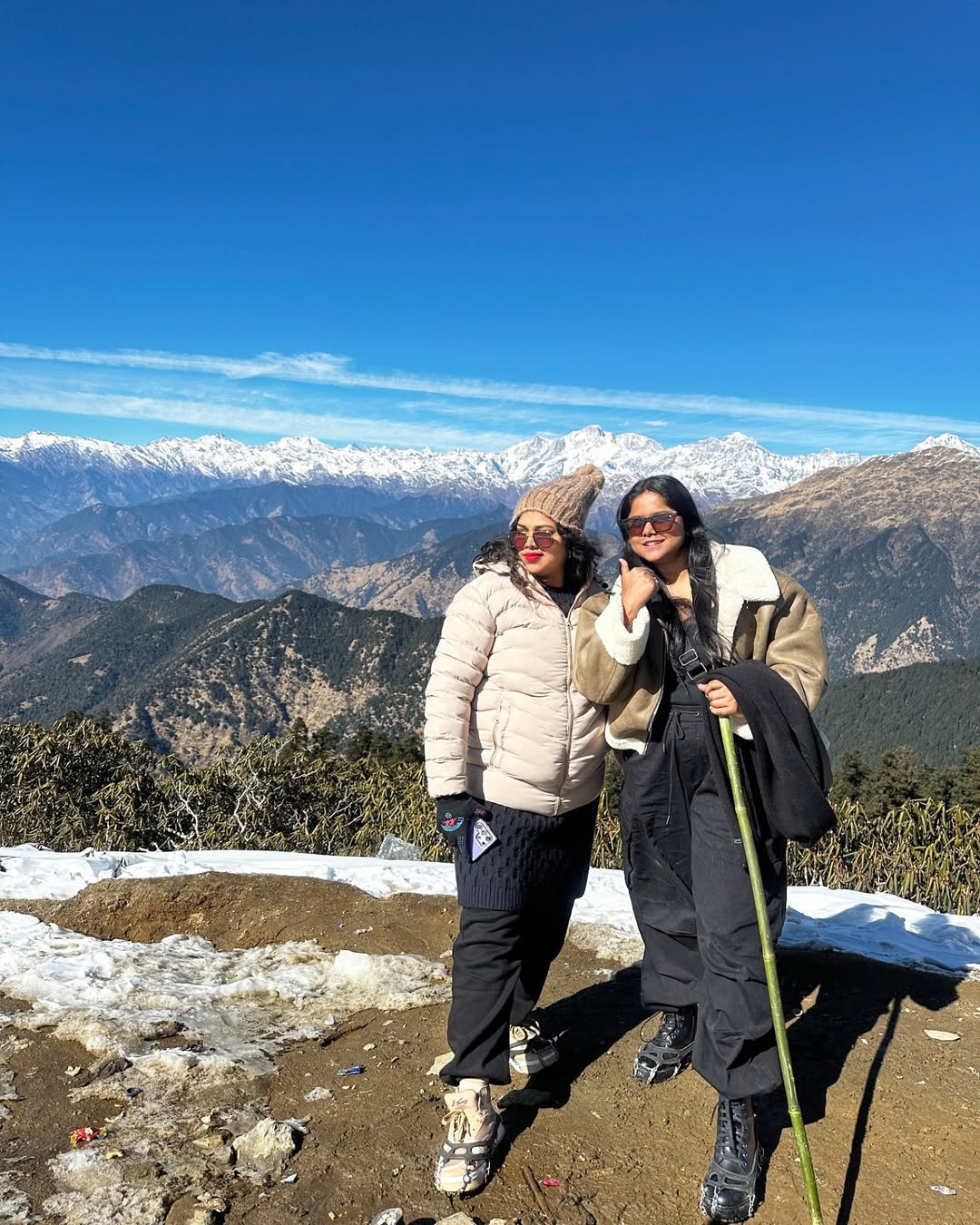
Chopta Tungnath Chandrashila in March – For Snow & Solitude Lovers
March marks the tail end of winter in the Chopta region. While the landscape looks stunning under thick snow, trekking conditions remain tough and demanding.
Weather in March
- Day temperature: 0°C to 8°C
- Night temperature: -10°C to -5°C
- Strong and cold winds near the Chandrashila summit
Trail & Snow Conditions
- Chopta remains largely snow-covered
- Tungnath trail is often buried under snow
- Chandrashila requires snow trekking skills and caution
What Trekking Feels Like
- Walking on compact or icy snow
- Slippery sections, especially during early mornings
- Very quiet and isolated trail with minimal footfall
Trekking during March offers solitude and dramatic winter scenery, but it also demands preparation, experience, and respect for mountain conditions. The chopta tungnath trek in this month is not beginner-friendly and should only be attempted by those comfortable with snow and extreme cold.
Travelers planning through standard chopta tour packages are advised to avoid March unless the itinerary specifically includes winter trekking support and safety equipment.
Chopta Tungnath Chandrashila in April – Snow with Improving Conditions
April is a transition month in Chopta, where winter slowly gives way to spring. Snow starts melting at lower altitudes, while higher sections of the trail still retain winter conditions.
Weather in April
- Day temperature: 5°C to 12°C
- Night temperature: -5°C to 0°C
- Mostly clear skies with bright daytime conditions
Trail Conditions
- Snow begins to melt along the Chopta trail
- Tungnath temple route usually becomes accessible
- Upper stretches towards Chandrashila may remain snow-covered
What Makes April Special
- Combination of snow and clear mountain views
- Blooming rhododendron forests along the trail
- Sharp visibility of Himalayan peaks on clear days
April offers a balanced experience for trekkers who want to see snow without facing peak winter hardship. The chopta tungnath trek during this month is manageable for fit trekkers, but preparation and layered clothing remain essential.
Those planning the chopta chandrashila trek from delhi in April should be ready for cold mornings, slushy trails by noon, and occasional snow patches near the summit.
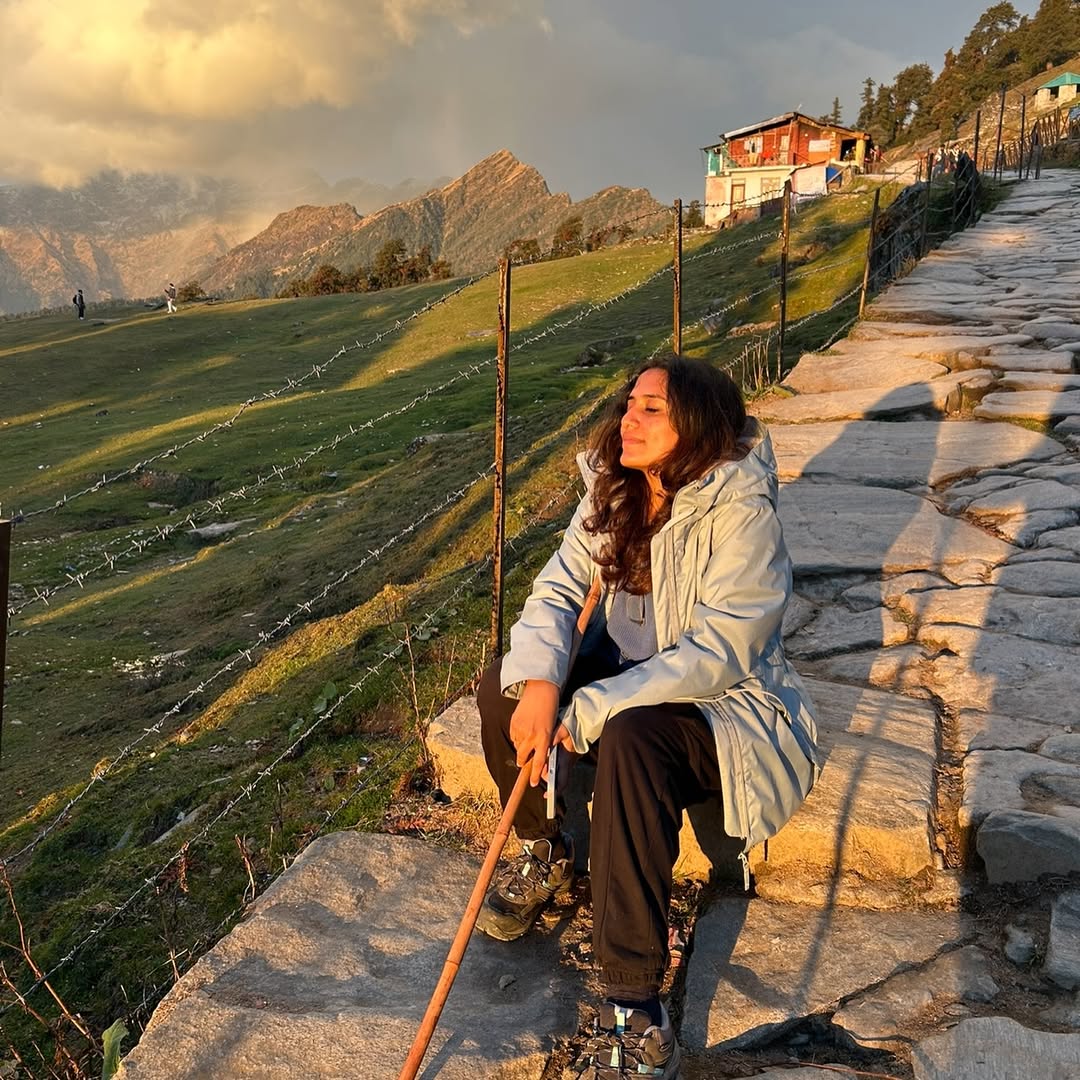
Chopta Tungnath Chandrashila in May – Best Month for Beginners
May is widely considered the most beginner-friendly month for trekking in Chopta. Weather conditions stabilize, snow melts completely from the trail, and access to higher points becomes much easier.
Weather in May
- Day temperature: 10°C to 18°C
- Night temperature: 2°C to 6°C
- Stable and predictable weather patterns
Trail Conditions
- Trails are completely snow-free
- Dry and well-defined trekking path
- Easy access to Tungnath and Chandrashila summit
Crowd Reality
- High footfall due to peak trekking season
- Popular with beginners, families, and group tours
- Accommodation in Chopta fills quickly
May is ideal for people attempting their first chopta tungnath trek, as the risk level is low and support services are widely available. Many travelers prefer booking chopta tour packages during this period for convenience and safety.
If comfort and safety matter more than solitude, May offers the most reliable conditions for the chandrashila trek without technical difficulty.
Why July & August Are Not Recommended – Monsoon Reality
July and August mark the monsoon season in Chopta. While the landscape turns lush and green, trekking during this period is highly risky due to heavy rainfall and unstable trail conditions.
Risks During Monsoon
- Landslides on the Ukhimath–Chopta road
- Slippery and muddy trails, especially near Tungnath and Chandrashila
- Low visibility due to heavy rain and clouds
- Leeches and increased insect activity on the trail
Despite the appeal of monsoon greenery, trekking during July and August is not recommended for safety reasons. Travelers planning a chopta tungnath trek or chandrashila trek should avoid this period unless they are experienced in monsoon trekking and well-equipped for hazardous conditions.
Chopta Tungnath Chandrashila in September – BEST Overall Month
September offers the most balanced trekking experience in Chopta. Post-monsoon skies are clear, trails are stable, and the mountains are at their most visible, making it the ideal month for both scenic views and safe trekking.
Weather in September
- Day temperature: 12°C to 18°C
- Night temperature: 3°C to 6°C
- Crisp, clear skies and calm conditions
Trail Conditions
- Fresh, washed-clean paths after monsoon
- Active water streams along the trail
- Excellent mountain visibility and photography opportunities
Crowd Level
- Moderate crowd, much calmer than May–June
- Suitable for solo trekkers and photographers
- Peaceful trekking experience with clear trails
September is ideal for travelers seeking a balance between safety, natural beauty, and moderate crowd levels. The chopta tungnath trek and chandrashila trek during this month provide the best overall Himalayan experience for both beginners and experienced trekkers.

Chopta Tungnath Chandrashila in October – Cold, Quiet & Spiritual
October is the last comfortable month for trekking in Chopta before winter sets in. The trails are dry and stable, skies are clear, and the atmosphere is serene, making it perfect for those seeking solitude and a spiritual experience.
Weather in October
- Day temperature: 8°C to 12°C
- Night temperature: -5°C to 2°C
- Cold mornings and evenings, with the possibility of early snowfall
Trail Conditions
- Dry and well-defined paths
- Minimal crowd along the Chopta–Tungnath route
- Quiet and peaceful trekking experience
Who Should Go in October?
- Spiritual seekers wanting solitude
- Photographers seeking clear mountain views without crowds
- Trekkers comfortable with cold nights
While October provides a peaceful and spiritual experience, travelers should prepare for very cold nights and limited food or accommodation options. The chopta tungnath trek and chandrashila trek during this month are best suited for those who value calm and scenic beauty over comfort and convenience.
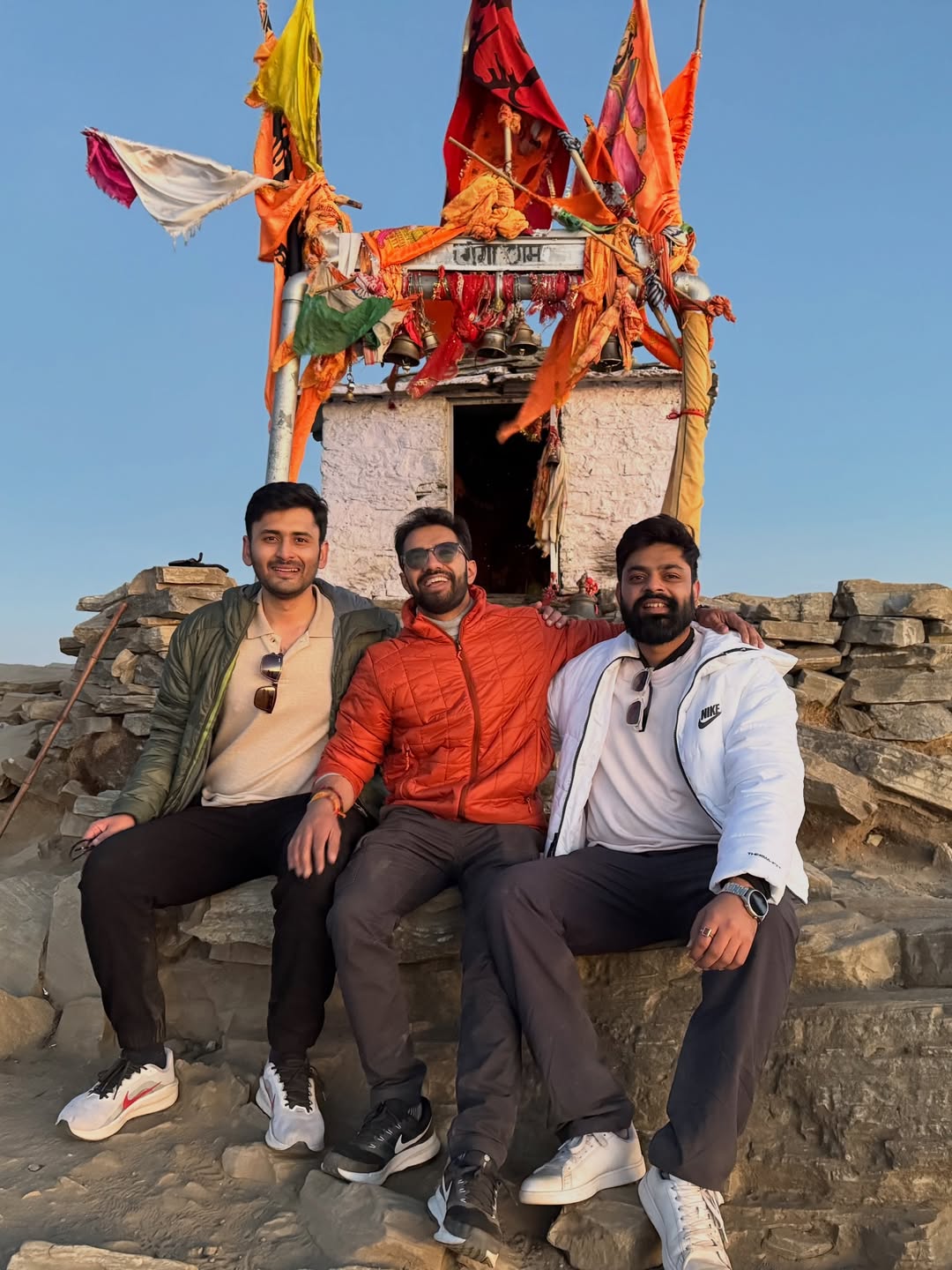
Best Month Based on Your Travel Style
Choosing the right month for the Chopta Chandrashila trek depends on your priorities, experience level, and what kind of experience you want from the Himalayas.
- First-time trekker: May or June – ideal for beginners with safe, snow-free trails
- Snow experience: March or April – perfect for trekkers seeking snow-covered landscapes
- Best overall experience: September – clear skies, moderate crowd, and pleasant weather
- Peace & spirituality: October – quiet trails and serene atmosphere
- Family trip: May–June (up to Tungnath) – safe for families and senior pilgrims
By matching your travel style with the suitable month, you can plan your chopta tungnath trek or chandrashila trek more effectively and enjoy a memorable Himalayan experience.

Health & Altitude Safety
Trekking in Chopta, Tungnath, and Chandrashila involves rapid altitude gain, so it’s crucial to prioritize health and safety. Proper preparation can prevent altitude sickness and ensure a comfortable experience.
Essential Tips
- Walk slowly; altitude gain is rapid and can strain your body
- Stay hydrated throughout the trek
- Avoid alcohol before and during the trek
- If headache, nausea, or dizziness worsens, descend immediately
- Never attempt Chandrashila summit in bad weather conditions
Respecting your body’s limits and planning for contingencies is more important than speed. Following these health and altitude safety guidelines ensures a successful and enjoyable chopta tungnath trek or chandrashila trek.
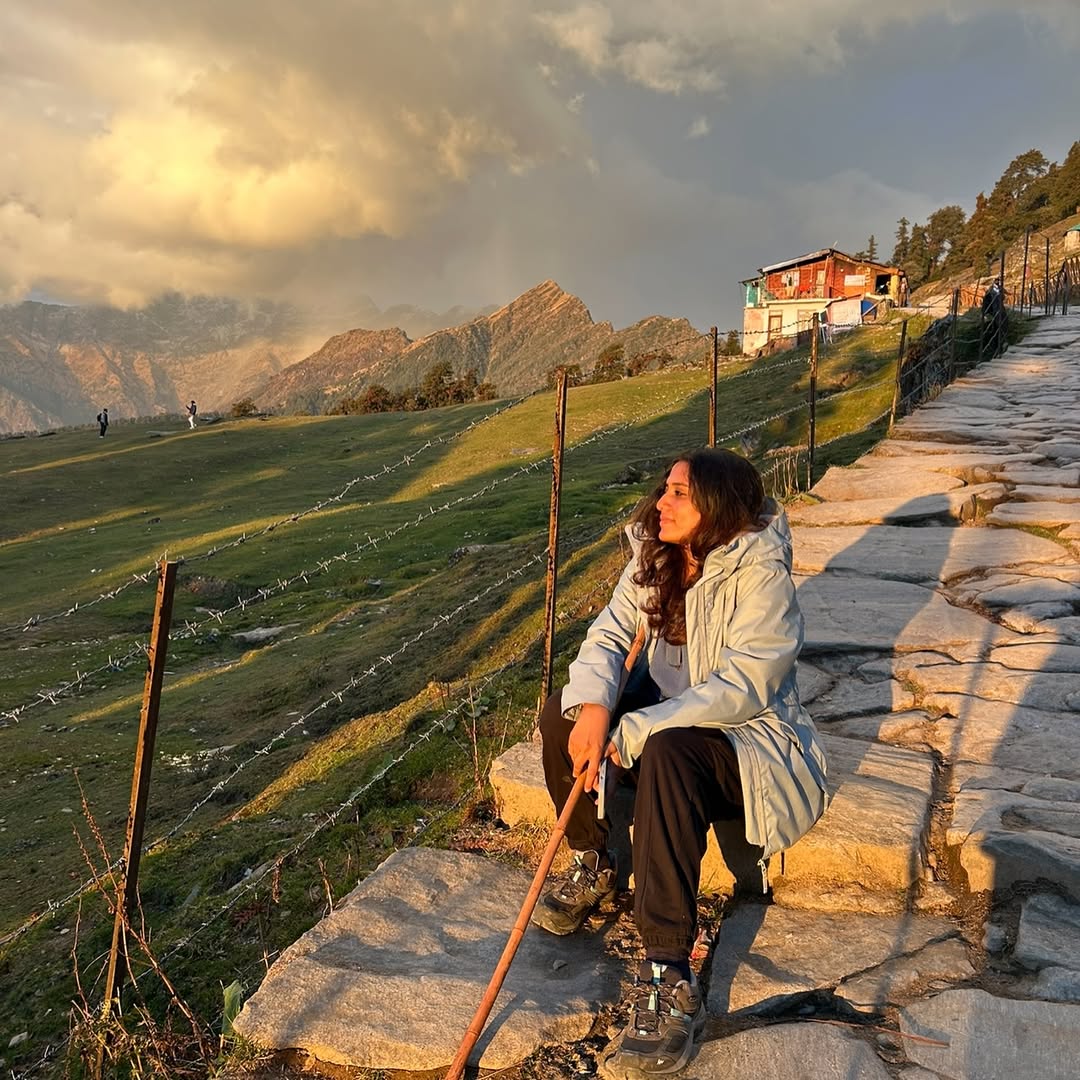
Accommodation & Food Reality Check
Accommodation and food options in Chopta are basic, so proper planning is essential for a comfortable trek. While homestays and camps offer local hospitality, luxury facilities are limited.
Accommodation Options
- Basic hotels and homestays in Chopta
- Shared rooms with simple bedding and blankets
- Wood fire heating available in winter at some homestays
- Camps available near trekking start points during May–June and September–October
Food Options
- Limited food stalls on the trail
- Local Uttarakhand meals like dal, chawal, roti, and sabzi
- Power cuts may affect cooking and heating in homestays
- Always confirm meal availability in advance, especially in off-peak months
Being prepared for basic facilities and planning meals ahead can make your chopta tungnath trek or chandrashila trek comfortable. Booking accommodation early is recommended during peak season to avoid last-minute hassles.
Responsible Trekking Guidelines
Trekking in the Chopta–Tungnath–Chandrashila region comes with the responsibility to protect nature and respect local culture. Following these guidelines ensures that the natural beauty and sanctity of the area remain intact for future visitors.
- Carry back all plastic and non-biodegradable waste
- Respect the sanctity of Tungnath temple and other religious sites
- Avoid loud music and unnecessary noise on the trails
- Support local businesses by buying food, guides, and handicrafts locally
- Do not disturb wildlife or feed animals in the Kedarnath Wildlife Sanctuary
Responsible trekking not only protects the environment but also enriches your experience on the chopta tungnath trek and chandrashila trek. It ensures safety, respect for local culture, and preservation of natural resources.
❄️ Snowfall in Chopta – What to Expect Month-by-Month
Snow conditions in Chopta vary widely depending on the month. Understanding snowfall patterns helps trekkers plan the chopta chandrashila trek or tungnath tungnath trek safely and enjoyably.
Seasonal Snow Patterns
- November – February: Heavy snow accumulation at Chopta and above; roads often blocked; deep snow and icy trails require snow gear and crampons
- March: Snow remains at higher points; ideal only for experienced snow trekkers
- April: Snow melts at lower altitudes; upper trail near Tungnath and Chandrashila may still be snow-covered
- May & June: Snow mostly gone except in shaded gullies; trails fully accessible without snow gear
- September: No snow at trail level; ideal trekking conditions with clear paths
- October: Early snowfall possible later in the month, dusting grasses and peaks beautifully
Walking on snow changes trekking dynamics: traction becomes difficult without proper boots or crampons, and cold increases risk of hypothermia. For a snowy Himalayan experience without dangerous conditions, April is ideal, while winter months (Dec–Feb) are recommended only for experienced snow trekkers.

🌦️ Weather in Chopta – A Detailed Look
Chopta’s weather is shaped by its altitude and monsoon patterns, and conditions can change rapidly. Planning for variability is critical for a safe and enjoyable chopta tungnath trek or chandrashila trek.
Typical Weather Patterns by Season
- Winter (Dec – Feb): Very cold throughout; day: −5°C to 5°C, night: −15°C or lower; roads often snowy; many accommodations closed
- Pre-Monsoon / Spring (Mar – May): Gradually warming; day: 5°C to 18°C, night: 0°C to 8°C; clear mornings with snowy heights
- Monsoon (Jul – Aug): Heavy rains in surrounding forests; trails become slippery and risky; roads may close due to landslides; best avoided unless experienced
- Post-Monsoon (Sep – Oct): Best visibility of Himalayan peaks; stable and pleasant weather; day: 10°C to 18°C, night: 0°C to 8°C; ideal for mountain views and safe trekking
Practical Weather Tips
- Weather can change within minutes; always carry rain gear even outside monsoon months
- Chopta nights are cold year-round above ~2,500m
- Clouds often build after noon; plan walks in the early morning
- Temperature drops with wind chill, especially near Tungnath and Chandrashila; carry windproof jackets and warm clothing
Staying prepared for weather changes ensures a safe and comfortable chopta tungnath trek and chandrashila trek from delhi, and helps you choose the best month based on your trekking preferences.
If you wanted to read more you can check this detail blog on Chopta weather.
Homestays in Chopta – What to Expect
Chopta offers simple, local homestays that provide an authentic Himalayan experience. These homestays are often more welcoming than standard hotels, especially for those who value culture and safety.
Typical Homestay Features
- Local Uttarakhand meals such as dal, chawal, roti, and sabzi
- Shared rooms with basic beds and blankets
- Wood fire heating available in winter at some homestays
- Hosts with deep knowledge of the terrain and weather conditions
Advantages of Homestays
- Local guidance – better understanding of trail conditions than apps
- Community support – helpful in emergencies or bad weather
- Authentic mountain food and cultural experience
- More availability in off-peak months compared to hotels
What Homestays Usually Don’t Have
- No luxury baths or showers, especially in winter
- Unreliable electricity in some areas
- Limited hot water unless solar/heating is available
Practical Tip: Always call or message at least 24 hours before to confirm room booking, meal availability, and local weather updates. This ensures a smooth stay during your chopta tungnath trek or chandrashila trek.

Camping in Chopta – Options & Safety
Camping in Chopta is a popular choice for trekkers, especially during May, September, and October. It offers a closer connection to nature but requires more preparation than staying in homestays.
Common Camping Locations
- Near Chopta meadows with scenic mountain views
- Open grounds suitable for tents
- Some camps located near the trekking start point for convenience
What to Expect from Camps
- Tents equipped with bedding
- Hot meals served in common dining tents
- Campfires in winter or spring where allowed
Camping Safety Considerations
- Nights can be very cold, even in May or June
- Water and toilet facilities are often basic
- Carry windproof clothing and insulated sleeping bags
- Confirm whether the camp provides cold-rated sleeping bags
Camping Smart Tips
- Ask for thermally insulated mats to stay warm at night
- Carry rainproof or waterproof tents during shoulder months
- Bring emergency blankets for extra warmth
- Set up tents on flat, elevated ground to avoid water pooling in rain
- Store food securely to prevent attracting wildlife
- Keep flashlights or headlamps ready, as electricity may be limited
- Plan early morning or late evening treks carefully to avoid getting caught in cold or low visibility
Camping in Chopta enhances the trekking experience, offering breathtaking views of the Himalayas and serene nights under the stars. With proper preparation and safety measures, your chopta tungnath trek or chandrashila trek will be comfortable, memorable, and safe.

🌲 Kedarnath Wildlife Sanctuary – A Nature Lover’s Addition
The Chopta–Tungnath–Chandrashila area falls within the Kedarnath Wildlife Sanctuary , a protected region known for its rich biodiversity. Including a visit to the sanctuary makes your trek not only scenic but also educational and immersive.
Wildlife You Might Encounter
- Himalayan Monal (Danphe) – a colorful and iconic pheasant
- Bharal (Blue Sheep) – often seen grazing on ridges
- Musk Deer – rare and shy, usually spotted in dense forests
- Himalayan Black Bear – typically deeper in the forest areas
- Various alpine birds, butterflies, and flora unique to the region
Sanctuary Rules for Responsible Trekking
- Do not feed or disturb wildlife
- Keep noise levels low to avoid scaring animals
- Carry back all trash and non-biodegradable waste
- Follow all signboards and restrictions within the sanctuary
Best Time for Wildlife Sightings
- May–June: Birds and mammals are highly active
- September–October: Wildlife visible before the onset of winter
Adding a wildlife checklist to your packing list enriches your chopta tungnath trek or chandrashila trek. Observing the flora and fauna responsibly enhances your connection with nature while keeping the sanctuary protected for future visitors.

Makku Math Temple & Tungnath Statue — Off-Season Spiritual Site
Many visitors to Chopta are unaware of the important religious and cultural sites nearby. Makku Math Temple and the Tungnath Statue add a spiritual dimension to your trek, especially during the off-season.
Makku Math Temple
- Located near Chopta at a lower elevation than Tungnath
- Accessible even in the off-season due to lower altitude
- Serene local pilgrimage spot with cultural significance
- Provides context and history before ascending to Tungnath
Tungnath Statue & Temple
- Tungnath is the highest Shiva temple in the world
- The statue and temple rituals are seasonal; reopening dates vary each year
- During off-season, the deity is moved to Makku Math Temple
- Visiting in winter requires planning around limited access
Practical Tips for Temple Visits
- Check reopening dates before planning your visit
- Carry modest attire for temple areas
- Early morning visits offer a more peaceful and spiritual experience
Including these spiritual sites adds cultural richness to your chopta tungnath trek or chandrashila trek. Understanding the local legends, rituals, and seasonal calendar enhances both safety and the emotional impact of your journey.

Safety First – Weather, Snow & Altitude
Safety is the most important consideration while trekking in Chopta, Tungnath, and Chandrashila. The combination of high altitude, snow, and rapidly changing weather conditions can make even an easy trek challenging. Understanding risks and preparing accordingly ensures a safe and enjoyable experience.
Key Safety Considerations
- Start early every day to avoid afternoon clouds, reduced visibility, and sudden weather changes
- Keep a buffer day for weather delays; unexpected snowfall or rain can halt progress
- Always descend if you experience symptoms of altitude sickness such as headache, nausea, or dizziness
- Carry water purification tablets to ensure safe drinking water
- Avoid trekking alone, especially in the off-season or in early mornings and evenings
- Check weather reports daily before starting the trek to plan for sudden storms or temperature drops
- Ensure your footwear has good grip, and use trekking poles for stability on slippery or steep sections
Snow & Trail Safety
- Walking on snow requires proper gear: trekking poles, gaiters, and boots with good traction
- Early morning ice can be hazardous; always move carefully and watch your step
- Be aware of avalanche-prone areas during heavy snow periods (Dec–Feb and sometimes March)
- Maintain awareness of trail conditions; meltwater can create slippery patches in spring (March–April)
By prioritizing health, monitoring weather, and using the right equipment, your chopta tungnath trek or chandrashila trek will be safe and enjoyable. Planning with caution and respecting mountain conditions ensures a fulfilling Himalayan adventure without unnecessary risks.
Mountain weather in Chopta changes quickly, especially during winter and shoulder months. Before starting your journey or trek, it is strongly recommended to check the live weather forecast for Chopta from a reliable source to avoid sudden rain, snowfall, or temperature drops and to plan your travel safely.
Final Reflection — Experience Over Hype
The Chopta–Tungnath–Chandrashila trek is much more than a popular social media destination. It is a journey that blends high-altitude adventure, spiritual pilgrimage, wildlife observation, and natural beauty. The true essence of this trek lies in planning thoughtfully and experiencing it fully, rather than rushing to a summit.
Key Takeaways
- It is a high-altitude mountain journey with variable weather and snow conditions
- Includes spiritual elements, with sites like Tungnath temple and Makku Math Temple
- Traverses wildlife-rich areas within the Kedarnath Wildlife Sanctuary
- Trail conditions are weather-dependent, so flexibility is essential
- Preparation matters more than raw strength; awareness is the key to safety
By connecting weather, snowfall, accommodation realities, wildlife awareness, cultural context, and off-season possibilities, this guide helps you plan a trek that is safe, meaningful, and memorable. The mountains do not demand strength—they demand awareness, patience, and respect.
When approached wisely, the chopta tungnath trek or chandrashila trek feels peaceful, powerful, and deeply rewarding. Poor planning, however, can make the same trail unnecessarily challenging and stressful. Choose your month carefully, respect mountain conditions, and enjoy the Himalayan journey at your own pace.

Frequently Asked Questions (FAQ) – Chopta Tungnath Chandrashila Trek
1. What is the best time to do the Chopta Tungnath Chandrashila trek?
The best months are May, June, September, and October. May–June offer safe and beginner-friendly weather, September has clear skies and fewer crowds, and October provides a peaceful and spiritual experience. Avoid July–August (monsoon) due to landslides and slippery trails. March–April is suitable for experienced snow trekkers.
2. How difficult is the Chopta Tungnath Chandrashila trek?
Chopta to Tungnath is moderate, around 3–4 km uphill with well-paved steps. Tungnath to Chandrashila summit is steeper and exposed, with altitude rising from ~3,680 m to 4,000 m. Fitness matters, but beginners can manage if they trek in May–June or September at a comfortable pace.
3. How long does the trek take?
Chopta to Tungnath: 2–3 hours. Tungnath to Chandrashila: 1–1.5 hours. Most trekkers do a day trek from Chopta or an overnight camping for sunrise at Chandrashila. A 2-day or 3-day itinerary is ideal for exploring Chopta meadows, temples, and nearby villages.
4. Is snowfall in Chopta safe for trekking?
March–April: Snow still present at higher altitudes; safe only with proper gear such as boots, gaiters, and trekking poles. May onward: Trails are clear and safe. Winter trekking (Dec–Feb) is recommended only for experienced snow trekkers.
5. Are there homestays and camps in Chopta?
Yes. Homestays provide authentic mountain experiences with basic accommodation and local meals. Camps are available during May–June and September–October, with tents, bedding, and shared dining areas. Book in advance during peak season to secure your spot.
6. How is the weather in Chopta throughout the year?
Winter (Dec–Feb): Very cold with heavy snow; roads may be closed. Spring (Mar–May): Pleasant days, cold nights; snow melts gradually. Summer (Jun): Mild, clear trails, maximum support services. Monsoon (Jul–Aug): Rainy, slippery trails, landslides; avoid trekking. Post-monsoon (Sep–Oct): Clear skies, calm weather, best trekking conditions.
7. What wildlife can I see in Chopta and the Kedarnath Wildlife Sanctuary?
Himalayan Monal (Danphe), Bharal (Blue Sheep), Musk Deer, Himalayan Black Bear, and various birds, butterflies, and alpine flora. Trek quietly, avoid feeding animals, and follow sanctuary rules.
8. Is the Tungnath temple open year-round?
No. Tungnath temple is open seasonally, usually May–November. During the off-season, the deity is moved to Makku Math Temple at a lower altitude. Winter visitors should plan for Chopta meadows and off-season temple visits.
9. Can beginners attempt the Chandrashila summit?
Yes, in May, June, September, or October, when trails are clear and snow is minimal. Beginners should acclimatize at Chopta or Tungnath, walk slowly, and avoid late afternoon climbs. Carry warm clothing, water, and snacks.
10. What should I pack for the trek?
Layered clothing (base layers, fleece, windproof jacket), warm gloves, hat, sunglasses, trekking shoes with grip, gaiters for snow, water bottle, purification tablets, snacks, energy bars, first aid, and altitude sickness medicines.
11. How can I reach Chopta from major cities?
From Rishikesh: ~220 km, 7–8 hours by road via Devprayag and Ukhimath. From Dehradun: ~230 km, 7–8 hours. Public transport is limited; most trekkers hire cabs or shared taxis. Roads are mountainous and winding, so extra travel time is needed in monsoon or winter.
12. Is camping safe in Chopta?
Yes, in May–June and September–October, with precautions such as windproof tents, warm sleeping bags, and following campsite safety rules. Winter camping (Dec–Feb) is extremely cold and risky.
13. Can I combine Chopta Tungnath Chandrashila with Madhyamaheshwar trek?
Yes. Both treks are in Uttarakhand’s Garhwal region, but Madhyamaheshwar is longer and more challenging. Suggested duration: 4–5 days for Chopta + Madhyamaheshwar combination. Best months: May–June, September.
14. Is Chopta Tungnath Chandrashila trek suitable for solo female travelers?
Yes, the area is generally safe. Prefer trekking in groups or with guides if inexperienced. Avoid off-season solo treks (winter or monsoon) and choose homestays or camps with good local reviews.
15. Are there medical facilities near Chopta?
Small clinics in Ukhimath and Chopta handle minor ailments. For emergencies, hospitals are available in Rudraprayag or Gopeshwar. Carry basic first-aid, altitude sickness medicine, and insect repellents.