

Madhmaheshwar, one of the revered temples of the Panch Kedar, is a sacred Himalayan shrine dedicated to Lord
Shiva. Located at an altitude of 3,497 meters in the Rudraprayag district of Uttarakhand, this temple is famous
for the worship of Shiva’s torso form, making it spiritually unique among the Kedars. Surrounded by dense
forests, alpine meadows, and snow-clad mountain peaks, Madhmaheshwar offers a peaceful and serene environment
for trekkers and devotees alike.
The trek to Madhmaheshwar is a beautiful blend of mythology, natural beauty, and adventure. With moderate
trails, charming Garhwali villages, and breathtaking views of Chaukhamba and Mandani mountains, it is one of the
most rewarding short treks in Uttarakhand. Whether you seek spiritual connection or a scenic Himalayan escape,
the Madhmaheshwar trek provides an unforgettable experience.
The 3-day Madhyamaheshwar trek is one of the most rewarding short Himalayan journeys, blending spiritual
significance with scenic beauty. Ideal for trekkers seeking a balanced mix of adventure and devotion, this route
takes you from Delhi to the sacred Madhyamaheshwar Temple and further to the
tranquil Budha Madhyamaheshwar
viewpoint. With well-defined trails, picturesque stops, and a smooth itinerary, it is perfect for beginners as
well as experienced trekkers looking to explore one of the Panch Kedar shrines in a short duration.
Day 0 – Overnight Departure from Delhi to Rishikesh
Madhyamaheshwar trek begins with an overnight journey from Delhi, which is designed to save daytime for trekking
while ensuring comfort. The pickup for the group usually happens around 9:30 PM at Akshardham Metro Station
(Gate No. 1). Depending on the group size, transportation options vary from a private car, MUV, SUV, or Tempo
Traveller. This is part of most Madhmaheshwar packages, ensuring safe and convenient travel for
trekkers.
The overnight drive covers roughly 6 hours, taking you through the plains of North India into the foothills of
Uttarakhand. Traveling overnight not only helps save precious daytime but also ensures that trekkers arrive in
Rishikesh early in the morning, fully ready to continue the journey toward Ransi Village and eventually the trek
start point. During the drive, travelers can enjoy glimpses of the Ganges and the serene Himalayan foothills
waking up with the sunrise.
This leg of the itinerary is also a great time to brief trekkers about the Madhyamaheshwar trek, the route,
distance, and altitudes they will encounter in the next two days. Experienced guides often use this time to
provide essential tips for acclimatization, trekking safety, and packing reminders. For those following a
Madhyamaheshwar travel guide, Day 0 is also recommended as a rest phase to conserve energy for the longer
trekking days ahead.
By the time the vehicle reaches Rishikesh in the early hours of the morning, trekkers are ready to proceed
toward the scenic route via Devprayag, Dhari Devi, and Ukhimath to reach Ransi Village. Overnight travel on Day
0 ensures a smooth, organized start to the Madhyamaheshwar trek, maintaining the balance between comfort and
adventure while setting the tone for the upcoming spiritual and trekking experience.
Day 1 – Rishikesh to Ransi via Devprayag, Dhari Devi & Ukhimath
Day 1 of the Madhyamaheshwar trek is a scenic journey that blends spirituality with the natural beauty of the
Garhwal Himalayas. After arriving in Rishikesh early in the morning, the journey continues by road toward Ransi
Village, which serves as the base for the trek. The drive covers important spiritual and cultural landmarks
including Devprayag Sangam, Dhari Devi Temple, and Omkareshwar Temple in Ukhimath, making it an enriching
experience for pilgrims and trekkers alike.
Devprayag, the confluence of the Alaknanda and Bhagirathi rivers, is not only a picturesque location but also a
sacred site in Hindu mythology. A brief stop here allows travelers to witness the merging of these holy rivers,
often considered an auspicious beginning to the Panch Kedar pilgrimage. Continuing toward Dhari Devi, the famous
temple dedicated to Goddess Durga offers panoramic views and spiritual rejuvenation. The journey then passes
through Ukhimath, home to the seasonal abode of the Kedarnath deity during winter, where the Omkareshwar Temple
further highlights the region’s religious significance.
By evening, the group arrives at Ransi Village, a quaint Garhwali settlement nestled in the lower Himalayan
range. Ransi serves as the base camp for the trek to Madhyamaheshwar temple. Trekkers check in at comfortable
homestays, which are included in most Madhmaheshwar packages, and enjoy a freshly prepared dinner. This day is
crucial for acclimatization and rest, as the trek to Madhyamaheshwar the next day involves a 16–17 km ascent
with gradual altitude gain.
Day 1 perfectly sets the tone for the Madhyamaheshwar trek. It combines a mix of road travel, spiritual
sightseeing, and an introduction to the Himalayan landscape. Following a well-structured Madhyamaheshwar travel
guide, this day ensures travelers are well-prepared, relaxed, and fully ready to embark on the main
trekking
adventure the following morning.

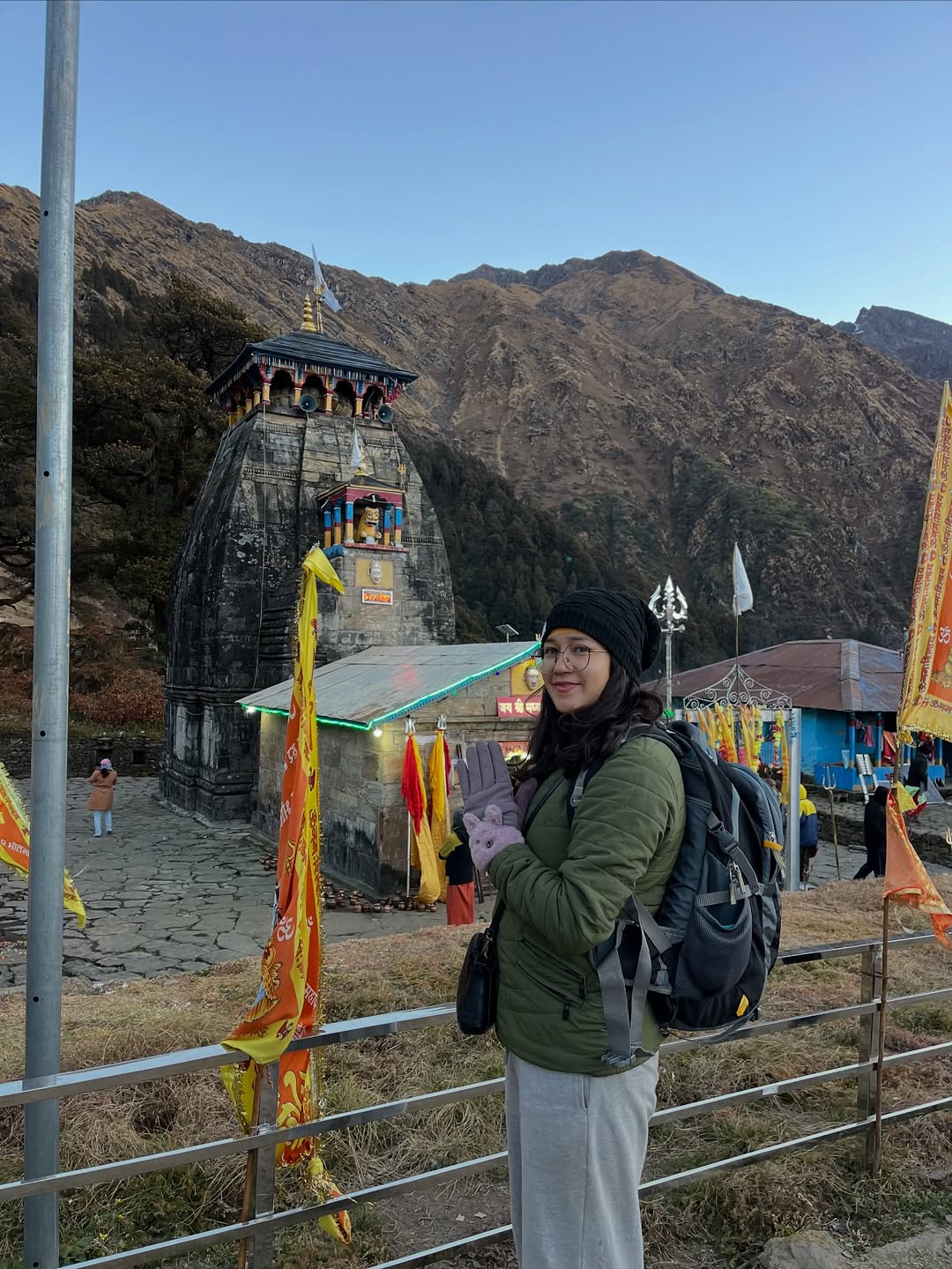
Day 2 – Trek from Ransi to Madhyamaheshwar Temple (16–17 km)
Day 2 of the Madhyamaheshwar trek is the highlight of the journey, covering approximately 16–17 km from Ransi
Village to the Madhmaheshwar temple at an altitude of 3,490 meters. The trek begins early in the morning,
usually around 6:30 AM, after a hearty breakfast at the homestay. The route is well-defined, passing through
dense forests, alpine meadows, and small Garhwali settlements. Trekkers following a Madhmaheshwar trek itinerary
find this day the most scenic and spiritually rewarding, offering panoramic views of the surrounding Himalayan
peaks.
The Madhmaheshwar route gradually ascends, allowing trekkers to acclimatize effectively to the high altitude.
Along the way, hikers can enjoy the serene environment and the melodic sounds of mountain streams. The trail
also passes by smaller resting points and local teashops, which provide opportunities to recharge and experience
the authentic culture of the region. Travelers using a Madhyamaheshwar travel guide will find tips on pacing,
hydration, and safe trekking practices to make the journey smooth and enjoyable.
Upon reaching the Madhmaheshwar temple, trekkers are rewarded with breathtaking views and the chance to
participate in spiritual rituals at this sacred Panch Kedar shrine. The temple’s significance adds a devotional
dimension to the trek, making it an unforgettable experience. Most Madhmaheshwar packages include overnight stay
options near the temple, either in camps or homestays, with breakfast and dinner provided.
This day is also ideal for experiencing the unique Madhyamaheshwar weather, which can range from crisp mountain
mornings to sunny afternoons. Proper preparation ensures a safe trek, and guides often provide information about
the Madhyamaheshwar trek cost, logistics, and other essentials. For those planning their journey from Delhi,
understanding how to reach Madhyahameshwar and the associated travel details is crucial to making the most of
the trek.

Day 3 – Early Morning Visit to Budha Madhyamaheshwar & Trek Back to Ransi
Day 3 of the Madhyamaheshwar trek is the final and most serene part of the journey, offering trekkers the chance
to explore Budha Madhyamaheshwar before descending to Ransi Village. Many trekkers include this optional segment
in their Madhyamaheshwar trek itinerary to experience a quieter, high-altitude area that is less visited than
the main temple. The trek to Budha Madhyamaheshwar is shorter, covering around 2–3 km, but involves a moderate
elevation gain, providing a perfect opportunity for acclimatization while enjoying breathtaking Himalayan
views.
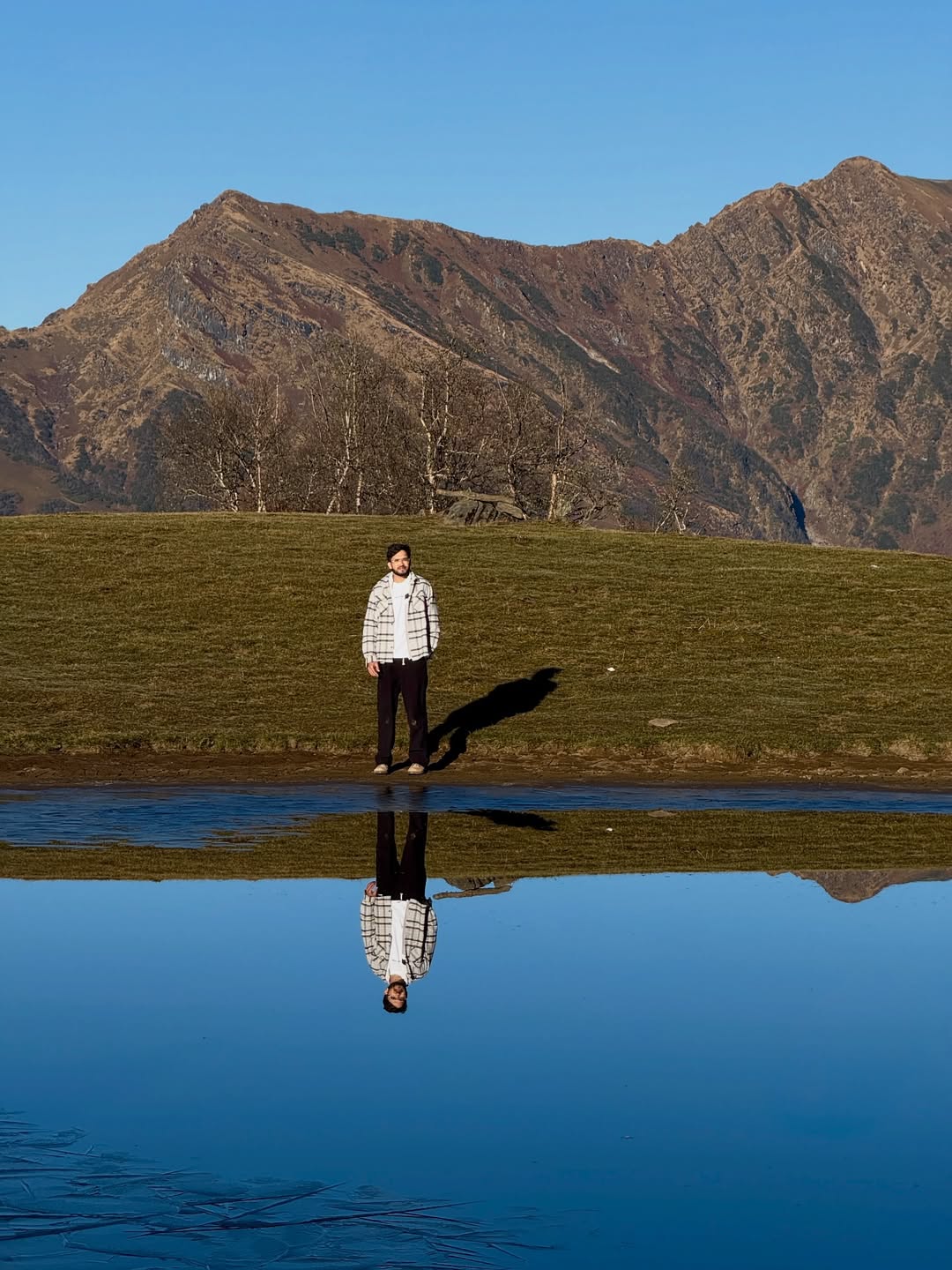
Early morning is the best time to attempt the Budha Madhyamaheshwar trek, as the clear skies and fresh mountain
air make the panoramic vistas of the surrounding peaks even more stunning. The trail passes through alpine
meadows, pine forests, and pristine streams, offering a peaceful environment for reflection and photography.
Trekkers following a Madhyamaheshwar travel guide often plan this segment carefully to ensure they have enough
time to return to the main trail, enjoy breakfast, and descend safely to Ransi Village.
After exploring Budha Madhyamaheshwar, the descent begins back to Ransi, retracing the Madhmaheshwar route
through the forests and meadows. This portion of the trek allows hikers to consolidate their experience, reflect
on the spiritual significance of the Madhmaheshwar temple, and enjoy the serenity of the Himalayan environment.
Most Madhmaheshwar packages include a final breakfast at Ransi before starting the return journey to
Delhi.
This day completes the trek, providing a full-circle experience of the sacred Panch Kedar journey. Trekkers
coming from Delhi or nearby cities can easily coordinate the Madhyamaheshwar from Delhi
travel plans as per
their package. The combination of natural beauty, spiritual significance, and well-structured itinerary makes
Day 3, including the Budha Madhyamaheshwar trek, a memorable conclusion to the 3-day adventure.
Budha Madhyamaheshwar Trek – Optional High-Altitude Exploration
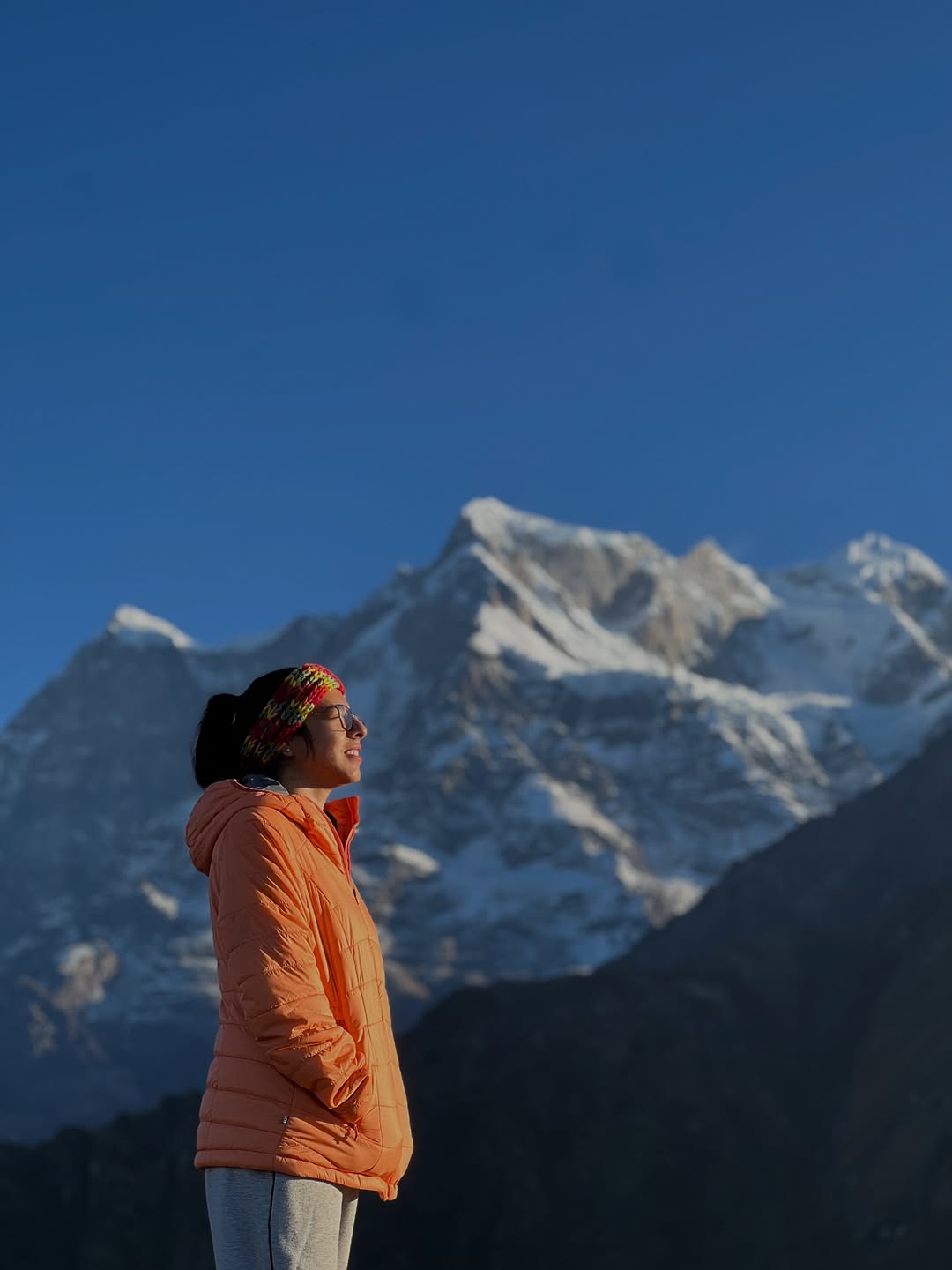
For trekkers looking to extend their spiritual and scenic journey, the Budha Madhyamaheshwar trek offers a
unique experience beyond the main Madhmaheshwar temple. Situated slightly higher in altitude than the main
shrine, Budha Madhyamaheshwar provides panoramic views of the surrounding Himalayan peaks, dense pine forests,
and alpine meadows. This trek segment is optional but highly recommended for those following a Madhyamaheshwar
travel guide who wish to complete the spiritual circuit of Panch Kedar.
The trek to Budha Madhyamaheshwar is approximately 2–3 km from the main temple, with a moderate elevation gain.
It is suitable for trekkers who are comfortable with high-altitude walking and can handle narrow paths with
occasional rocky sections. The trail is less crowded than the main temple route, allowing trekkers to enjoy
solitude and connect deeply with the serene Himalayan environment. Many Madhyamaheshwar packages include
guidance and support for this optional trek, ensuring safety and comfort for all participants.
Trekkers attempting the Budha Madhyamaheshwar segment often start early in the morning to maximize daylight and
take advantage of clear weather conditions. Along the way, visitors can observe snow-fed rivulets, colorful
alpine flowers, and distant peaks, making it an ideal spot for photography and meditation. Completing this
optional trek adds a sense of accomplishment and enhances the overall spiritual and natural experience of the
Madhyamaheshwar trek.
Whether you are coming from Delhi or planning to follow a structured Madhmaheshwar package, including the Budha
Madhyamaheshwar segment ensures a more complete and memorable journey. The combination of moderate trekking,
high-altitude scenery, and spiritual significance makes this optional leg a highlight for many adventure and
pilgrimage enthusiasts.

Best Time to Visit Madhyamaheshwar
Madhyamaheshwar trek is open and most enjoyable during the summer and post-monsoon months, from May to October.
These months are widely considered the best time to visit
Madhmaheshwar, as the weather remains pleasant, the trails are clearer, and the visibility of surrounding
Himalayan peaks is at its best. Trekkers planning a journey to the Madhmaheshwar temple or an optional Budha
Madhyamaheshwar trek can take advantage of these months for safer and more comfortable trekking
conditions.
The Madhyamaheshwar weather between May and October is generally moderate, with daytime temperatures ranging
from 12°C to 20°C at lower elevations, and cooler temperatures near the temple and Budha Madhyamaheshwar.
Monsoon months (July–August) should be approached with caution, as heavy rainfall can make the trails slippery
and increase the risk of landslides. The winter months are not recommended because the Madhyamaheshwar route is
snow-covered, and the temple remains closed, making it inaccessible.
Travelers using a Madhyamaheshwar travel guide or booking a Madhmaheshwar package often schedule their trek
within this timeframe to ensure a smooth journey. The months of May, June, September, and October are
particularly ideal, offering clear skies, blooming flora, and a serene environment for both trekking and
spiritual activities.
Choosing the right time of year ensures a safe, enjoyable, and spiritually enriching experience at the
Madhmaheshwar temple, while also allowing trekkers to include the optional Budha Madhyamaheshwar trek without
difficulty. Proper planning during the best time to visit Madhmaheshwar enhances the overall trekking
experience,
making the Panch Kedar journey memorable for all pilgrims and adventure enthusiasts.